LEEYEE · Conçus pour protéger. Fiables dans la durée.

Dispositifs de protection contre les surtensions de type 1 pour tableaux de distribution principaux

Parafoudres AC à haute énergie pour les distributeurs, intégrateurs d’armoires, entrepreneurs et projets OEM. Confirmez Iimp, Uc, la configuration des pôles, le système réseau et les documents spécifiques au modèle avant de commander.

  • Options de chemin de phase Iimp 25 kA
  • Versions Uc de 150 V à 440 V AC
  • Configurations de 1P à 3P+N
Comparer le système et les pôles
B25 MONOBLOCK RANGE
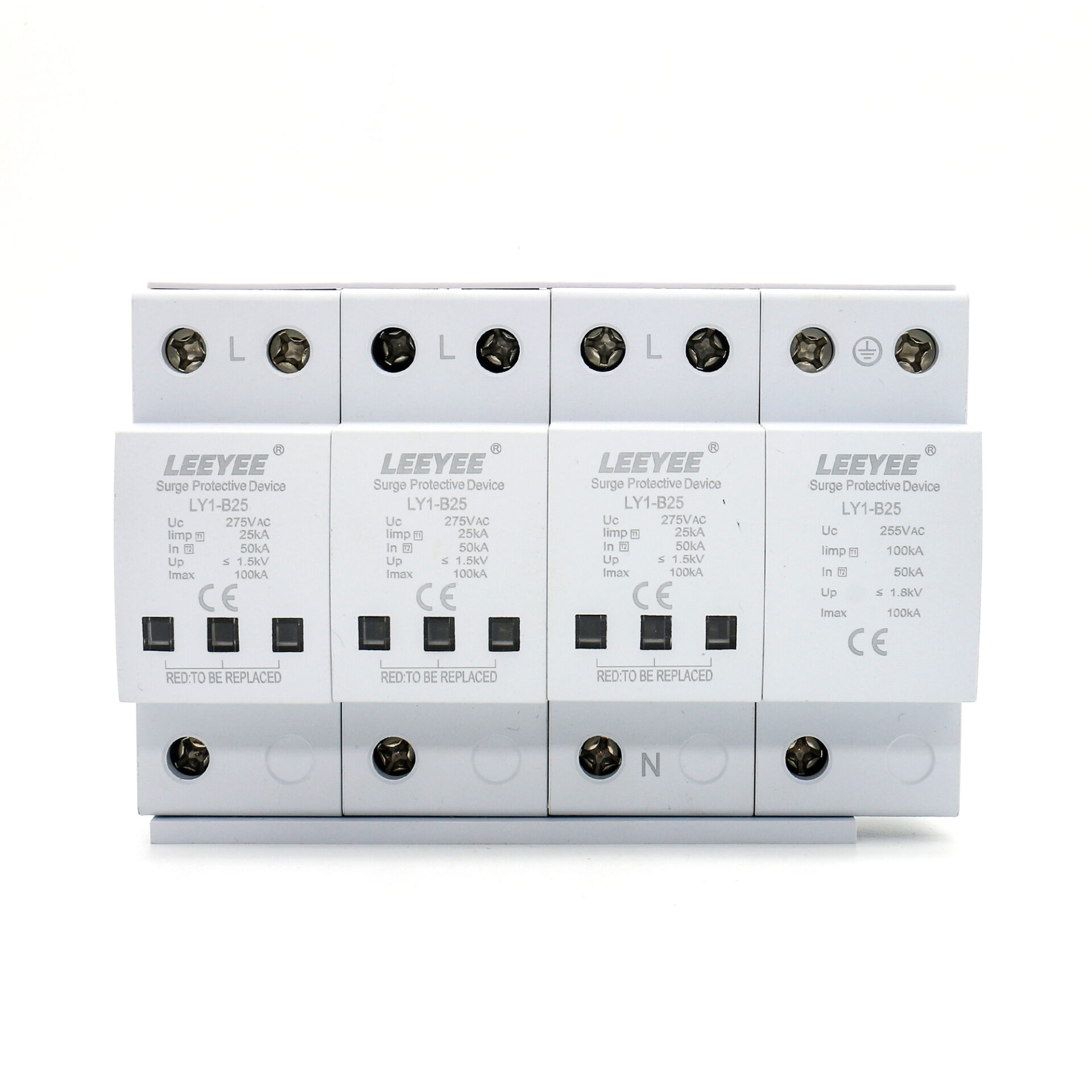
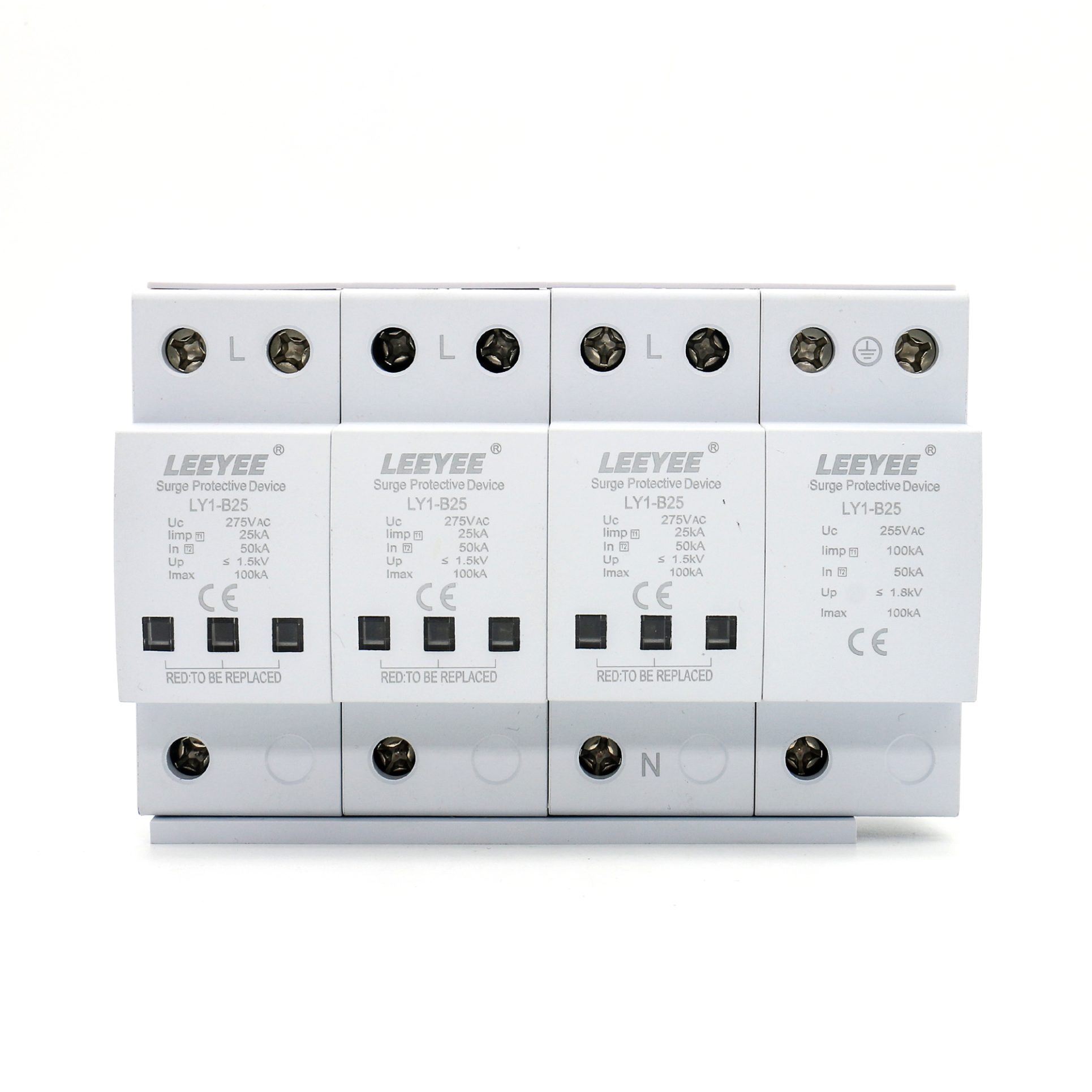
LEEYEE LY1-B25 3P plus N Type 1 plus 2 surge protective device
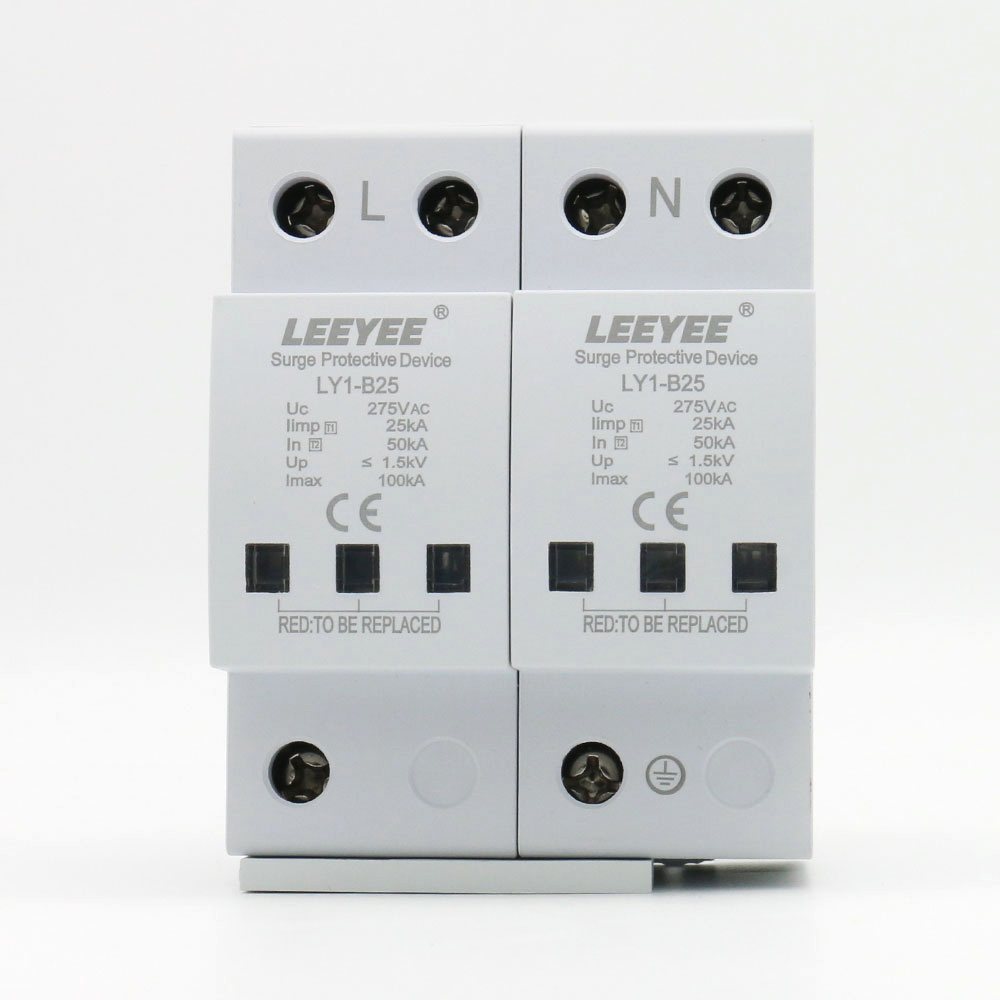
LEEYEE LY1-B25 single pole Type 1 plus 2 SPD
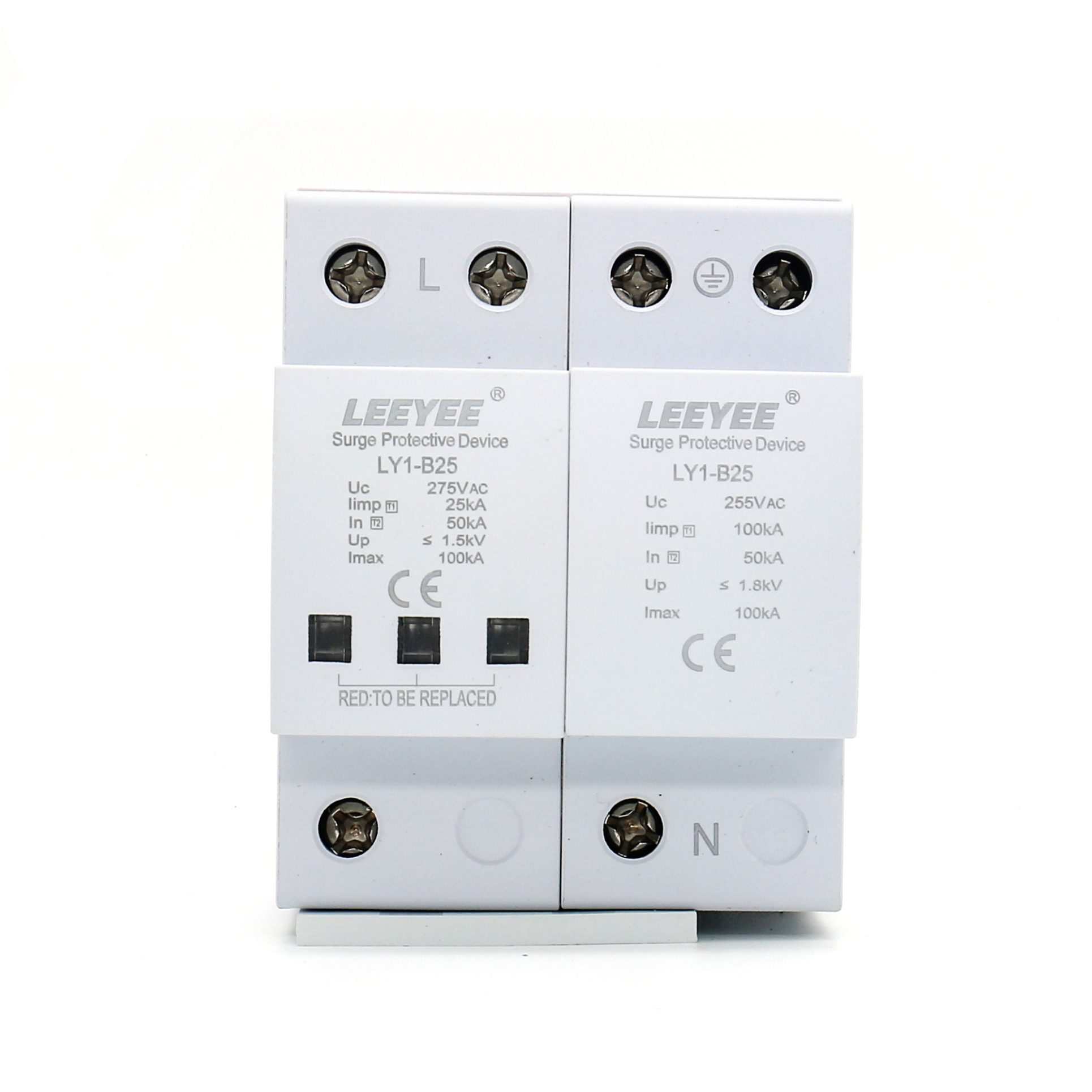
LEEYEE LY1-B25 1P plus N Type 1 plus 2 SPD
Type 1 lightning-current duty · IEC 61643-11 model documents confirmed individually
Main distribution protectionService de courant de foudre côté entrée
Sélection Iimp 10/350μsNe remplacez pas l'en-tête Iimp par un en-tête Imax
Documents spécifiques au modèleTension, pôles, marquage et portée vérifiés
Sélection rapide

Commencez par le point d'installation et le réseau

Un mot-clé de Type 1 n'est qu'un point de départ. Le modèle final dépend de Uc, Iimp, du mode de protection, des conducteurs et de la protection de secours externe.

Réponse rapide

Utilisez le type de protection 1 au niveau de l’arrivée de service ou du tableau de distribution principal, là où un courant de foudre partiel peut pénétrer dans l’installation basse tension. Associez ensuite le produit à TT, TN-S ou TN-C ainsi qu’à la configuration de pôles requise.

SystèmeConfiguration typiqueConfirmation principale
Monophasé TN-S / TT1P+N ou solution 2 pôles vérifiéeChemin L-N / N-PE, Uc, Iimp et protection de secours
Triphasé TN-C3PPas de neutre séparé, Uc et Itotal sélectionnés
Triphasé TN-S4P ou 3P+NMode de protection 4+0 ou 3+1 et périmètre de la documentation
Triphasé TTSolution 3P+N généralement vérifiéeÉlément N-PE, conception de mise à la terre et données de courant de suite

Envoyez le schéma unifilaire ou les détails du système pour la confirmation finale du modèle.

Matrice des produits

Choisissez la configuration de pôles requise

Comparez les produits monobloc B25 actuels par réseau, Uc et calibre de courant de foudre. Choisissez d'abord un modèle représentatif, puis confirmez le chemin de protection complet et la documentation.

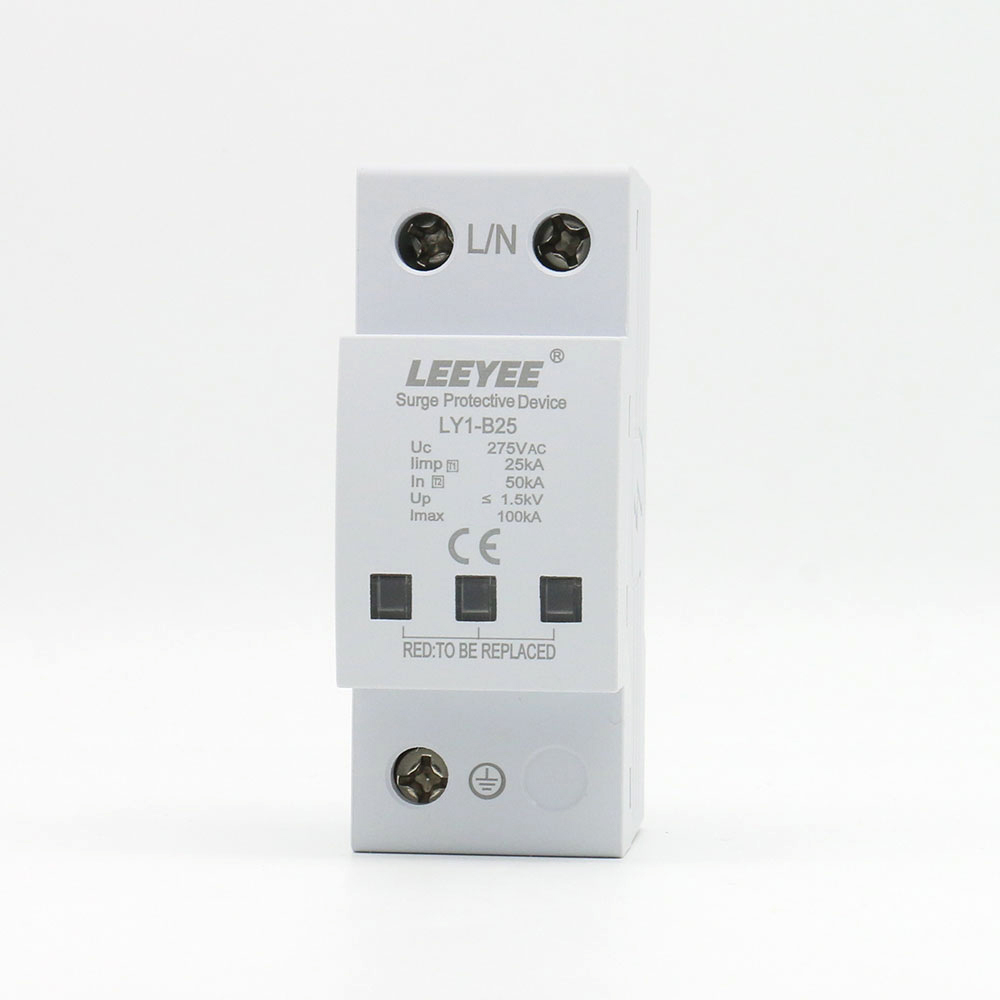
1P · MONOBLOCLY1-B25 one pole Type 1 plus 2 AC surge protective device

LY1-B25\/1(S)

Classe I+II / Type 1+2

  • RéseauTN-S, TN-C, TT*
  • Uc150 \/ 275 \/ 320 \/ 385 \/ 440V
  • Iimp25kA, 10\/350μs
  • Dans / Imax25kA \/ 100kA
  • Haut de la page1.0–2.0kV, selon Uc
  • Fusible max315A gL / gG
Détails
2P · MONOBLOCLY1-B25 two pole Type 1 plus 2 AC surge protective device

LY1-B25/2(S)

Classe I+II / Type 1+2

  • RéseauTN-S
  • Uc150 \/ 275 \/ 320 \/ 385 \/ 440V
  • Iimp / Itotal25 kA / 50 kA
  • Dans / Imax25kA \/ 100kA
  • Haut de la page1.0–2.0kV, selon Uc
  • Fusible max315A gL / gG
Détails
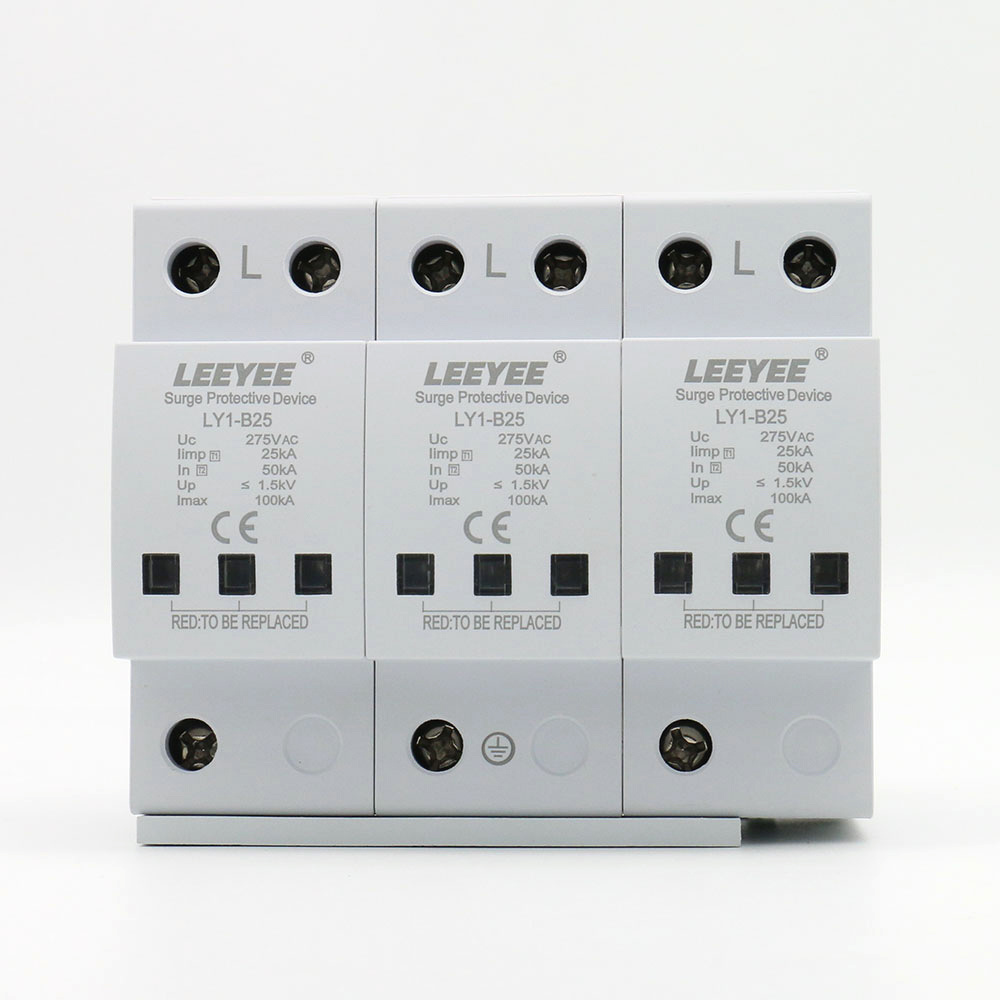
3P · TN-CLY1-B25 three pole Type 1 plus 2 AC surge protective device

LY1-B25/3(S)

Classe I+II / Type 1+2

  • RéseauTN-C
  • Uc150 \/ 275 \/ 320 \/ 385 \/ 440V
  • Iimp / Itotal25kA / 75kA
  • Dans / Imax25kA \/ 100kA
  • Haut de la page1.0–2.0kV, selon Uc
  • Fusible max315A gL / gG
Détails
4P · TN-SLY1-B25 four pole Type 1 plus 2 AC surge protective device

LY1-B25/4(S)

Classe I+II / Type 1+2

  • RéseauTN-S
  • Uc150 \/ 275 \/ 320 \/ 385 \/ 440V
  • Iimp / Itotal25kA \/ 100kA
  • Dans / Imax25kA \/ 100kA
  • Haut de la page1.0–2.0kV, selon Uc
  • Fusible max315A gL / gG
Détails
1P+N · TT / TN-SLY1-B25 one pole plus neutral Type 1 plus 2 surge protective device

LY1-B25/1(S)+1

Type 1+2 · MOV + GDT

  • RéseauTT / TN-S
  • ModeL-N / N-PE
  • Uc150 / 275 / 320 / 385V
  • Iimp / Itotal25/50kA · 50kA total
  • Up L-N / N-PE1.0–1.8kV / 1.5kV
  • Fusible max315A gL / gG
Détails
3P+N · TT / TN-SLY1-B25 three pole plus neutral Type 1 plus 2 surge protective device

LY1-B25/3(S)+1

Type 1+2 · MOV + GDT

  • RéseauTT / TN-S
  • ModeL-N / N-PE
  • Uc150 / 275 / 320 / 385V
  • Iimp / Itotal25/100kA · 100kA total
  • Up L-N / N-PE1.0–1.8kV / 1.5kV
  • Fusible max315A gL / gG
Détails
Why Type 1+2 products appear on a Type 1 landing pageThe buying requirement is Type 1 lightning-current duty at the main distribution level. The current B25 products meet that duty and are accurately classified Type 1+2 because they also state Type 2 In/Imax performance. System suitability, backup protection and document scope still require model confirmation.
Approval Checks

Three decisions prevent most specification mistakes

Keep the page focused on the engineering choices that directly affect product suitability and procurement risk.

Before approving the model

Do not select from the largest kA figure or pole count alone.

01
Confirm Iimp and the rated pathIimp uses 10/350μs. Check whether the value is per pole, per protection mode or the complete arrangement.
02
Match Uc and network topologyVerify system voltage, TT/TN-S/TN-C, 4+0 versus 3+1, and the N-PE element where applicable.
03
Confirm external backup protectionThe internal thermal disconnector does not automatically replace the required fuse or MCB.
Type 1 versus Type 1+2: the project may require Type 1 duty while the selected device is correctly classified Type 1+2. The B25 range states both Iimp and In/Imax rather than hiding the combined classification.

Incoming protection sequence

Review the Type 1 SPD as part of the complete distribution and earthing system.

Incoming supply and LPS conceptIdentify the network, lightning-current risk and protection zone.
External fuse or MCBConfirm the project short-circuit conditions and product data.
Type 1 duty at the MDBSelect Iimp, Uc, poles and protection mode.
Short PE path and downstream coordinationCoordinate bonding, conductor length and later Type 2 protection.
Testing & Documents

Use evidence that answers a purchasing risk

Component, impulse and thermal checks support product validation, but final approval still requires the exact model and document scope.

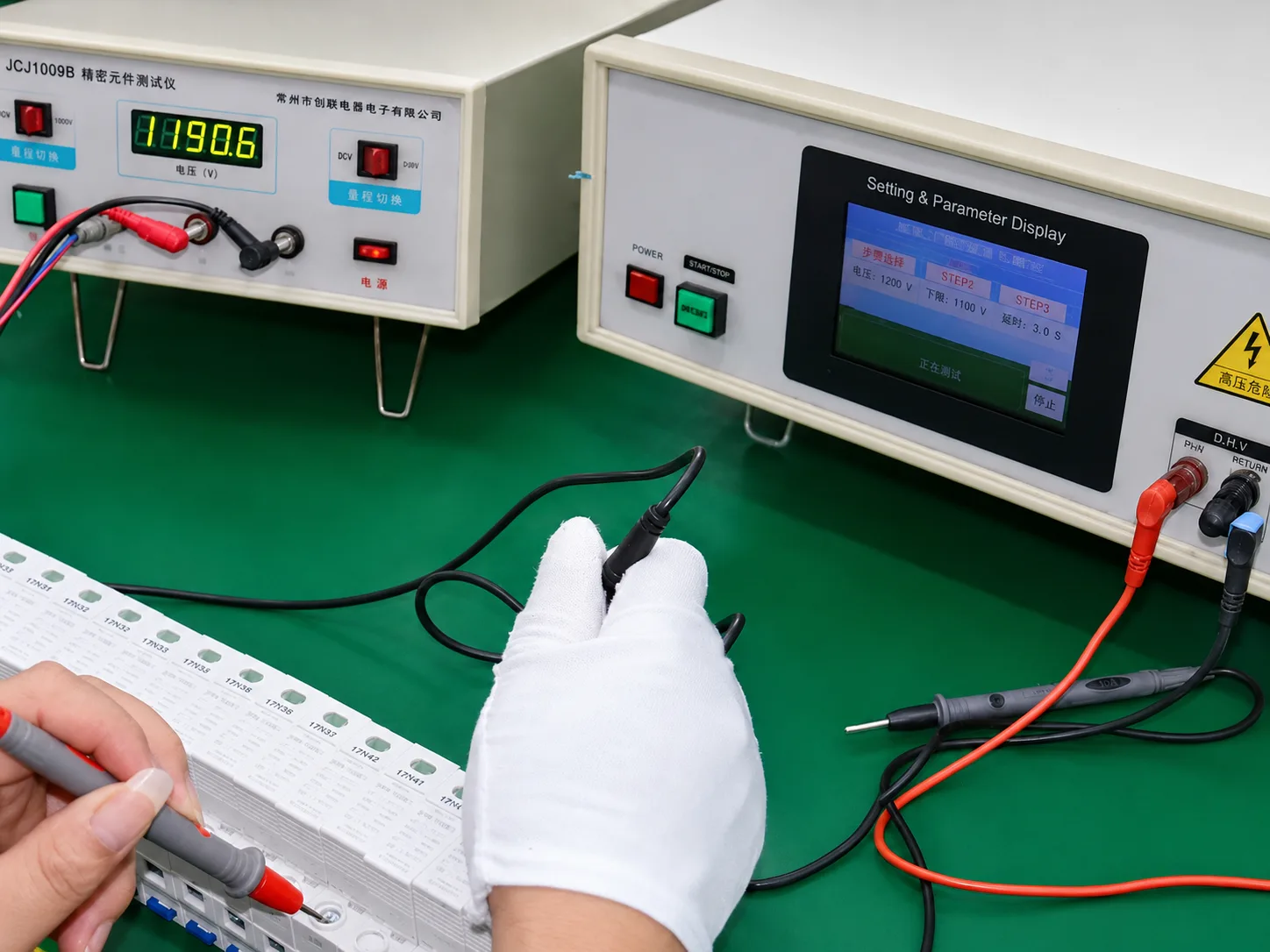
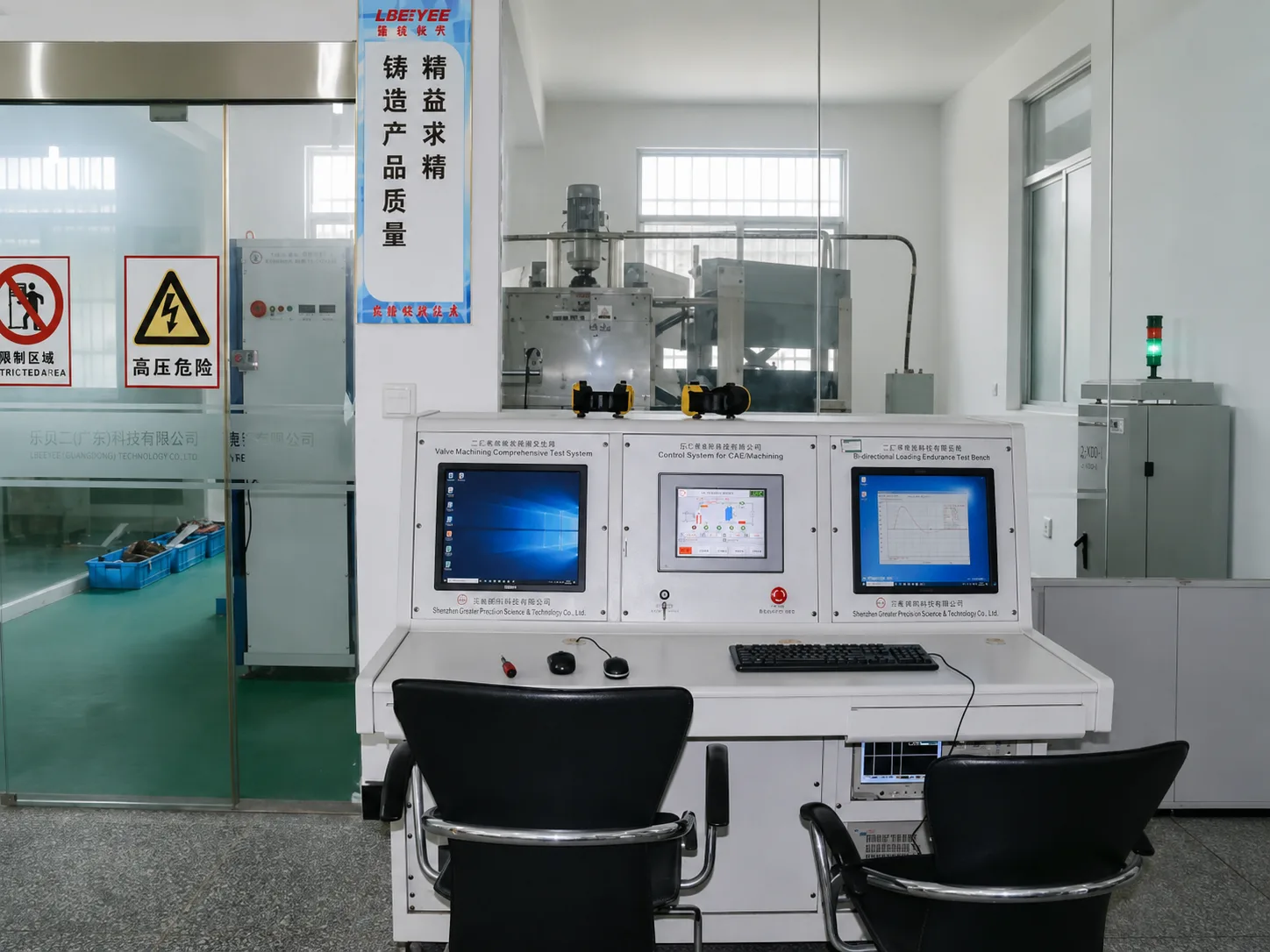
MOV and GDT component tester used in LEEYEE SPD validation

MOV & GDT validation

Component checks support the review of clamping behaviour, leakage-related parameters and batch consistency before assembly.

Lightning impulse generator for surge protective device testing

Lightning impulse testing

Confirm 10/350μs Iimp by pole or protection path and review Itotal separately where the arrangement requires it.

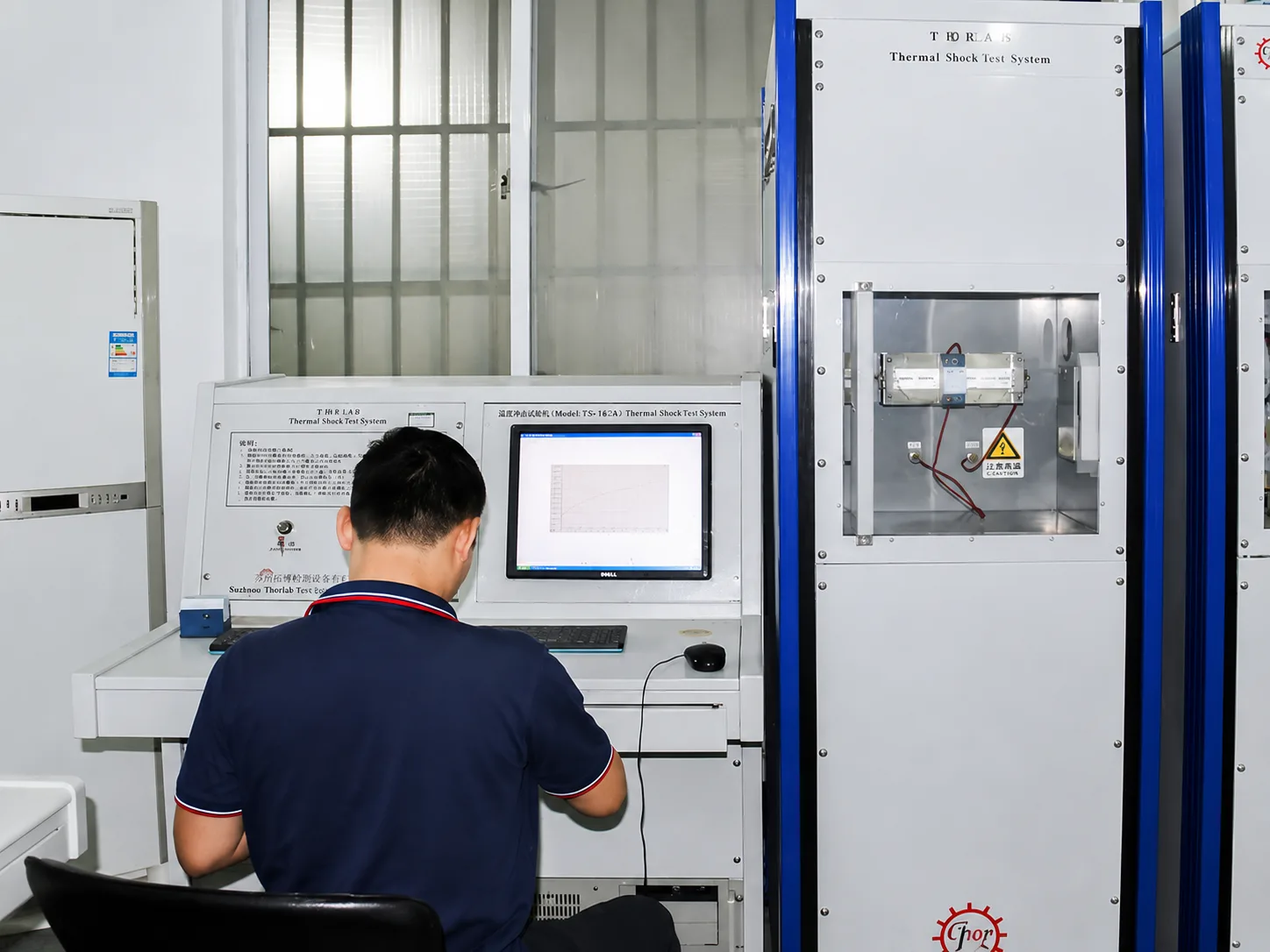
Thermal stability test for surge protective devices

Thermal safety checks

Thermal behaviour and disconnection matter when MOVs age or face abnormal overvoltage conditions.

Certification and test-document availability is model-specific

Confirm the exact model, Uc, pole arrangement, SPD classification, manufacturer and branding configuration before using CE, TÜV, CB, RoHS or IEC-related documents for project approval.

Review Document Scope

OEM and project supply without document mismatch

Confirm the base model first, then align the label, model name, packaging, instructions and applicable documentation before production.

Logo & labelModel namingArtwork approvalBatch consistency
FAQ

Questions buyers ask before ordering

Where should a Type 1 SPD be installed?

Type 1 duty is generally considered at the service entrance or main distribution board where the protection concept expects partial lightning current to enter the low-voltage installation. The final location must follow the project lightning-protection, earthing and distribution design.

Why are the products labelled Type 1+2?

The current B25 products are combined Type 1+2 devices. They state Iimp for Type 1 duty and In/Imax for Type 2 duty. This page answers the Type 1 buying intent while preserving the products' full classification.

Should I choose 12.5kA or 25kA Iimp?

Choose from the project requirement, lightning protection level, current distribution assumptions and installation point. The B25 models shown here provide 25kA on the phase path. See the 12.5kA versus 25kA guide.

How do I choose 3P, 4P or 3P+N?

Start with the earthing system and protection mode. TN-C may use a three-pole arrangement, while TN-S or TT may require 4P or 3P+N depending on whether the design uses 4+0 or 3+1 protection. Pole count alone is not enough.

What information is needed for model confirmation?

Send the country, customer type, system voltage, TT/TN-S/TN-C network, required Iimp, pole arrangement, quantity, required documents, project timing and any single-line diagram or BOM available.

Confirm the system before approving the SPD

Send the basic project details directly from this page. LEEYEE can review Type 1 duty, Uc, poles, protection mode and model-specific document availability for distribution, panel-building, OEM and project orders.

  • System voltage and TT / TN-S / TN-C network
  • Required Iimp, poles and external backup protection
  • Quantity, project timing and required certificate or report

CNSPD.com is LEEYEE's surge-protection platform for global buyers. LEEYEE is the product brand and supplier.

Direct inquiry

Request model confirmation

Send the essential project details now. We will use them to confirm the suitable model, document scope and quotation requirements.

Submit once. The request is sent through the site quotation form without asking you to enter the same details again.

LEEYEE · AC, DC/PV and signal surge protection for global B2B buyers · Built to Protect. Trusted to Last.