
แรงดันไฟฟ้าสตริงสูงสุด
เริ่มต้นจากค่า Voc ของแผงโซลาร์เซลล์ จำนวนแผงต่อสตริง และอุณหภูมิในการออกแบบขั้นต่ำ ยืนยันว่าค่า Ucpv ที่เลือกนั้นยังคงสูงกว่าสภาวะการทำงานสูงสุดที่คำนวณไว้
PV DC SPD แบบ Type 2 และ Type 1+2 สำหรับผู้รับเหมา EPC โซลาร์เซลล์ ผู้ผลิตกล่องรวมสัญญาณ ตัวแทนจำหน่าย และโครงการ OEM พร้อมยืนยันแรงดันไฟฟ้า ขั้ว เอกสาร และใบเสนอราคาเฉพาะรุ่น
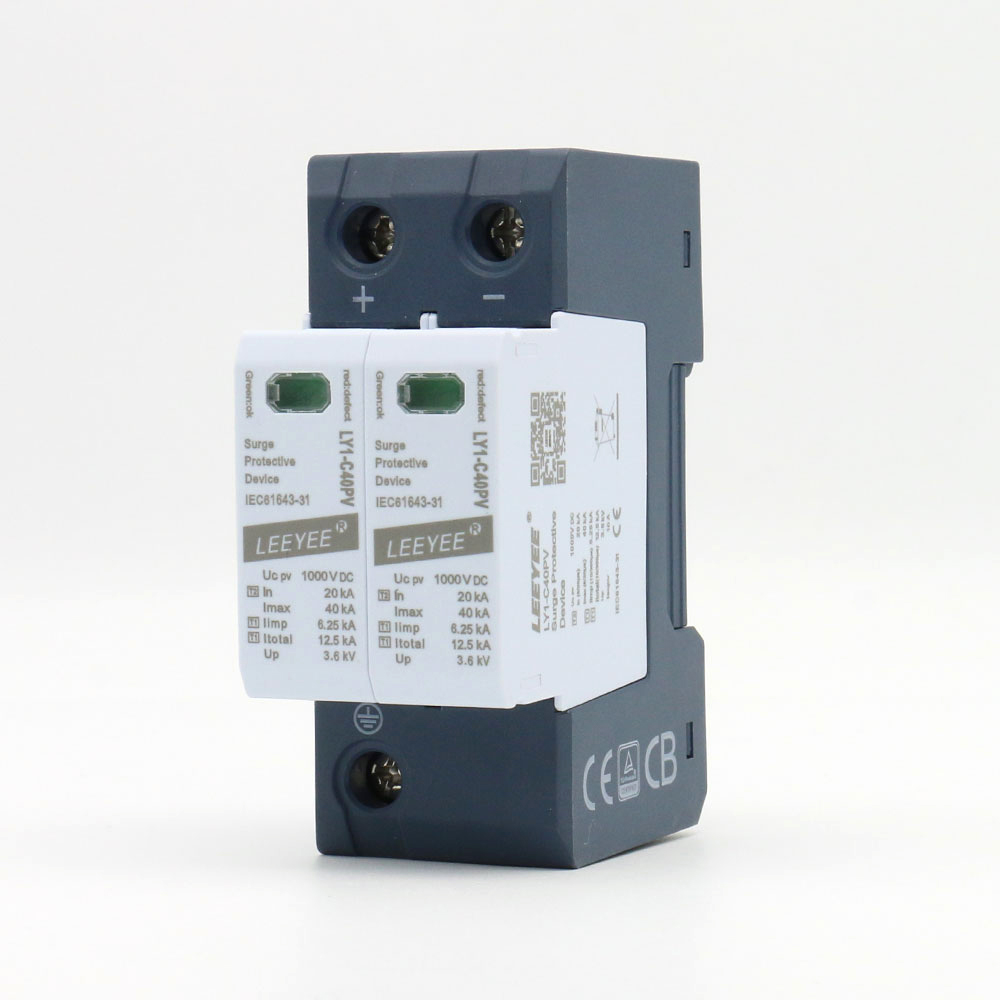
ไม่ควรเลือก PV SPD โดยอ้างอิงจากฉลากทางการตลาดเพียงอย่างเดียว ควรใช้แรงดันไฟฟ้าสตริงสูงสุดที่คำนวณได้จากโครงการ สภาพการป้องกันฟ้าผ่า และรูปแบบการเดินสายไฟประกอบการตัดสินใจ
เริ่มต้นจากค่า Voc ของแผงโซลาร์เซลล์ จำนวนแผงต่อสตริง และอุณหภูมิในการออกแบบขั้นต่ำ ยืนยันว่าค่า Ucpv ที่เลือกนั้นยังคงสูงกว่าสภาวะการทำงานสูงสุดที่คำนวณไว้
Type 2 มักใช้สำหรับกระแสเกินชั่วขณะจากการเหนี่ยวนำและการสวิตช์ ส่วน Type 1+2 จะพิจารณาใช้ในกรณีที่การออกแบบระบบป้องกันฟ้าผ่าบ่งชี้ว่ากระแสฟ้าผ่าบางส่วนอาจเข้าสู่ระบบวงจร PV ได้
ยืนยันรูปแบบ DC+ / DC− / PE จริง ผังการเดินสายในตู้ และระบุว่าต้องการการกำหนดค่าแบบ 2-pole, 3-pole หรือ D4
การ์ดรุ่นเหล่านี้มีไว้สำหรับการคัดเลือกเบื้องต้นในระดับผู้ซื้อ สำหรับการใช้งานในโครงการจริงยังคงต้องมีการยืนยันข้อมูลจาก Datasheet ล่าสุด ผังการเดินสาย การป้องกันสำรอง และขอบเขตใบรับรอง
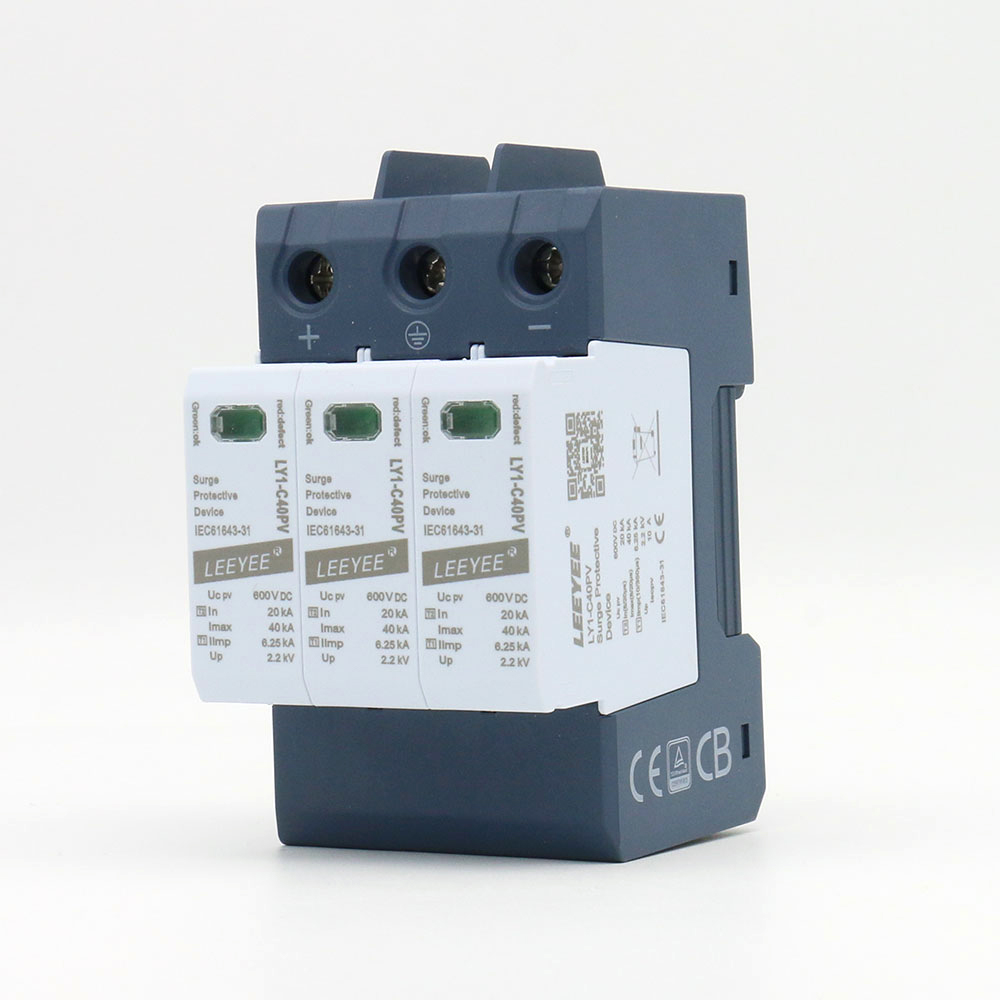
สำหรับสตริง PV ระดับ 600V, Combiner Box และอินเวอร์เตอร์ DC input ที่ต้องการ DC SPD ชนิดถอดเปลี่ยนได้ (Pluggable) Class II / Type 2
สำหรับสตริง PV ทั่วไปที่ระดับ 1000V, Combiner Box และอินเวอร์เตอร์ DC input ที่ต้องการการป้องกันขั้วบวกและขั้วลบ
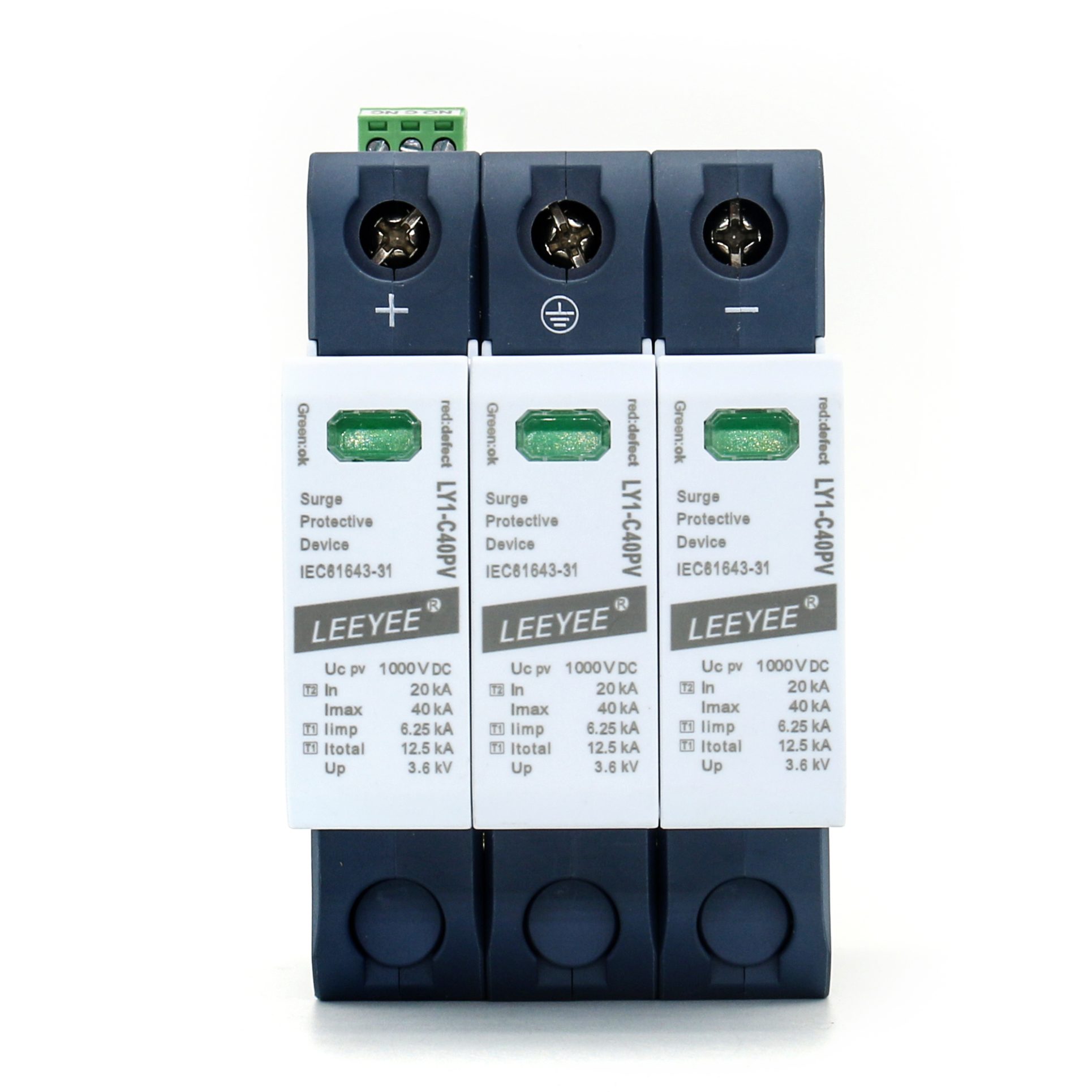
สำหรับการจัดการป้องกัน PV แบบหลายขั้วใน Combiner Box และตู้ไฟฟ้าอินเวอร์เตอร์ที่ต้องการการกำหนดค่าการเดินสายแบบ D4 เฉพาะ
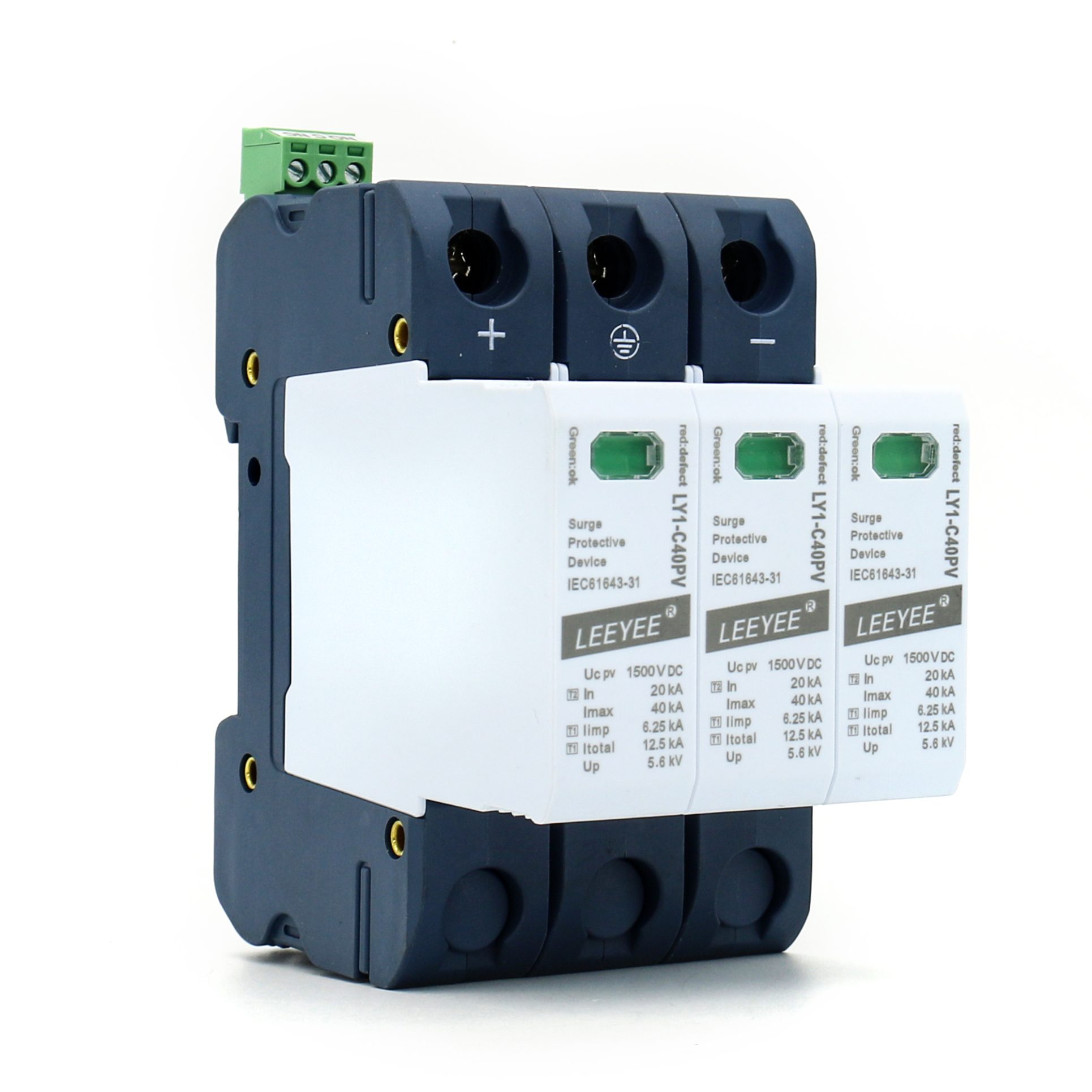
สำหรับระบบ PV ขนาด 1500V ในเชิงพาณิชย์และสาธารณูปโภค, Combiner Box แรงดันสูง, อินเวอร์เตอร์ DC input และตู้ควบคุมป้องกัน DC
ให้ความสำคัญกับตำแหน่งฝั่ง DC ที่ปกป้องวงจรแผงโซลาร์เซลล์, Combiner Box และอินเวอร์เตอร์อินพุต ประสานงานการป้องกันฝั่ง AC และระบบตรวจสอบแยกต่างหากเมื่อสถาปัตยกรรมของโครงการกำหนด
ตรวจสอบเส้นทางสตริงที่เปิดโล่ง และจุดที่ตัวนำ DC ภายนอกอาคารเข้าสู่โซนไฟฟ้าที่มีการป้องกัน
ติดตั้ง PV SPD ที่เลือกไว้ใกล้กับวงจรรวมสตริงและจับคู่ให้ตรงกับ ค่า Ucpv, ประเภท และการกำหนดค่าขั้ว กับการออกแบบตู้
ปกป้องขั้วต่อ DC ของอินเวอร์เตอร์ เส้นทางที่ยาวอาจต้องมีการป้องกันที่ประสานกันทั้งที่ Combiner Box และฝั่งอินเวอร์เตอร์
เลือก SPD ฝั่ง AC ตามระบบจำหน่ายไฟฟ้า, แรงดันไฟฟ้า, ประเภท, ขั้ว และแนวคิดการป้องกันฟ้าผ่าต้นทาง
ตรวจสอบสาย RS485, มิเตอร์ และสาย Data-logger แยกต่างหากเมื่อสายสื่อสารที่อยู่ภายนอกอาคารหรือสายที่ยาวสร้างเส้นทางไฟกระชากเพิ่มเติม
การจัดซื้อที่เชื่อถือได้ขึ้นอยู่กับรุ่นที่ครบถ้วนสมบูรณ์ ไม่ใช่แค่ป้ายระบุ “40kA” หรือแรงดันไฟฟ้าที่กำหนดของระบบ PV เท่านั้น
ค่าแรงดันไฟฟ้าวงจรเปิด (Voc) สูงสุดของสตริงจะเปลี่ยนไปตามจำนวนโมดูลและอุณหภูมิ โปรดตรวจสอบค่า Ucpv ให้สอดคล้องกับเงื่อนไขของโครงการที่คำนวณไว้
การเลือกควรเป็นไปตามแนวคิดการป้องกันฟ้าผ่าและเส้นทางกระแสไฟที่เป็นไปได้ ไม่ใช่การเลือกจากความต้องการค่าพิกัดที่พิมพ์ไว้สูงกว่า
ผลิตภัณฑ์ประเภท 2P, 3P หรือ D4 ต้องสอดคล้องกับการเดินสายไฟจริงของ DC+, DC−, PE และการจัดวางภายในตู้ควบคุม
ยืนยันรุ่นที่ถูกต้อง แรงดันไฟฟ้า โครงสร้างขั้ว ผู้ผลิต และการกำหนดค่าแบรนด์ก่อนนำเอกสารไปใช้งานจริง
หลักฐานการทดสอบควรตอบโจทย์ความเสี่ยงในการจัดซื้อ รูปถ่ายอุปกรณ์เพียงอย่างเดียวไม่สามารถทดแทนการประกาศที่เฉพาะเจาะจงสำหรับรุ่นนั้นๆ ใบข้อมูลจำเพาะ หรือขอบเขตของใบรับรองได้
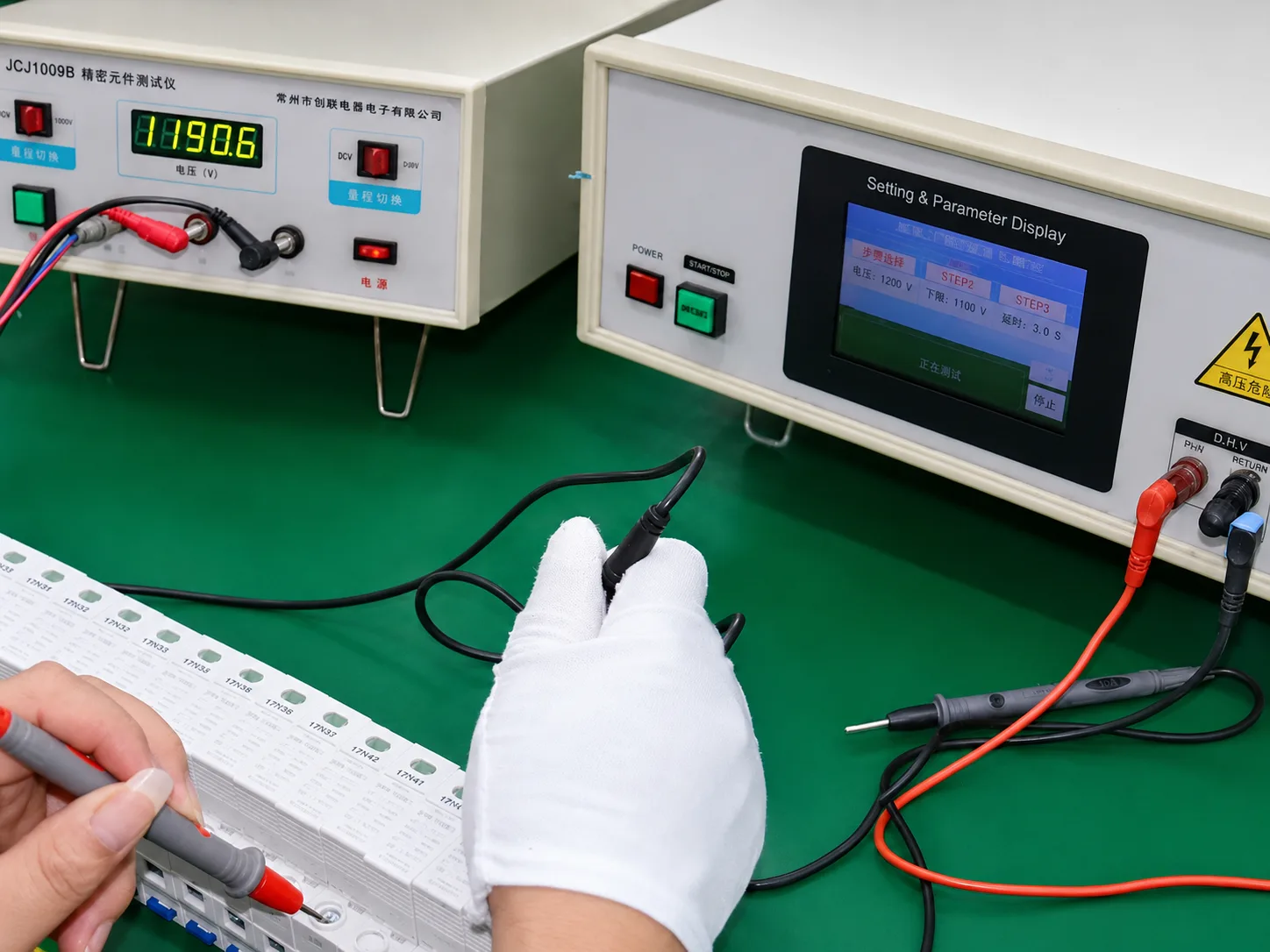
การตรวจสอบ MOV และส่วนประกอบที่เกี่ยวข้องช่วยควบคุมองค์ประกอบการป้องกันหลักก่อนการประกอบและการปล่อยสินค้าในแต่ละรุ่น
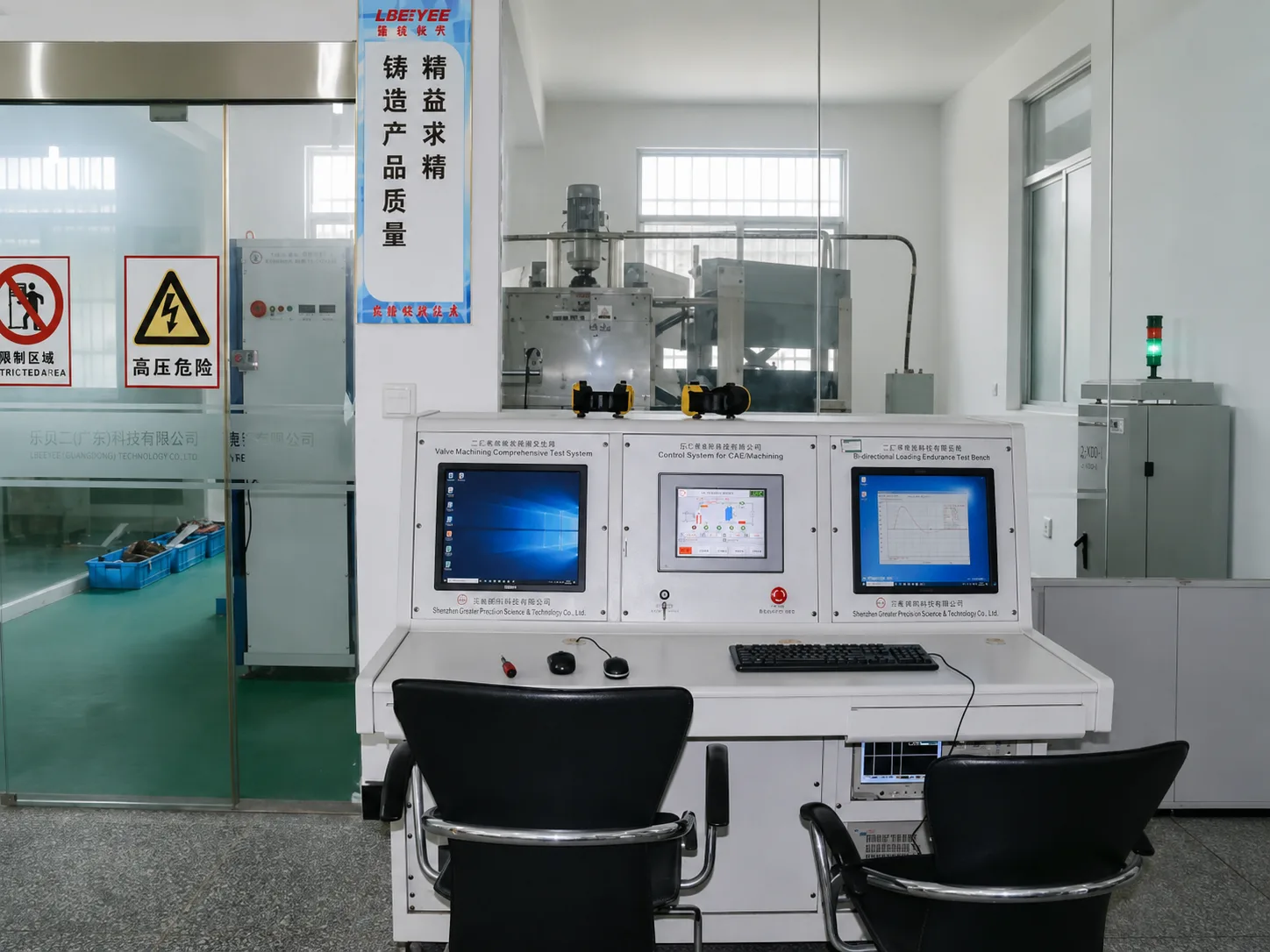
ประสิทธิภาพที่ประกาศไว้ที่ 8/20μs และ 10/350μs จะต้องได้รับการตรวจสอบเทียบกับประเภทและรุ่นของ PV SPD ที่ระบุอย่างถูกต้อง
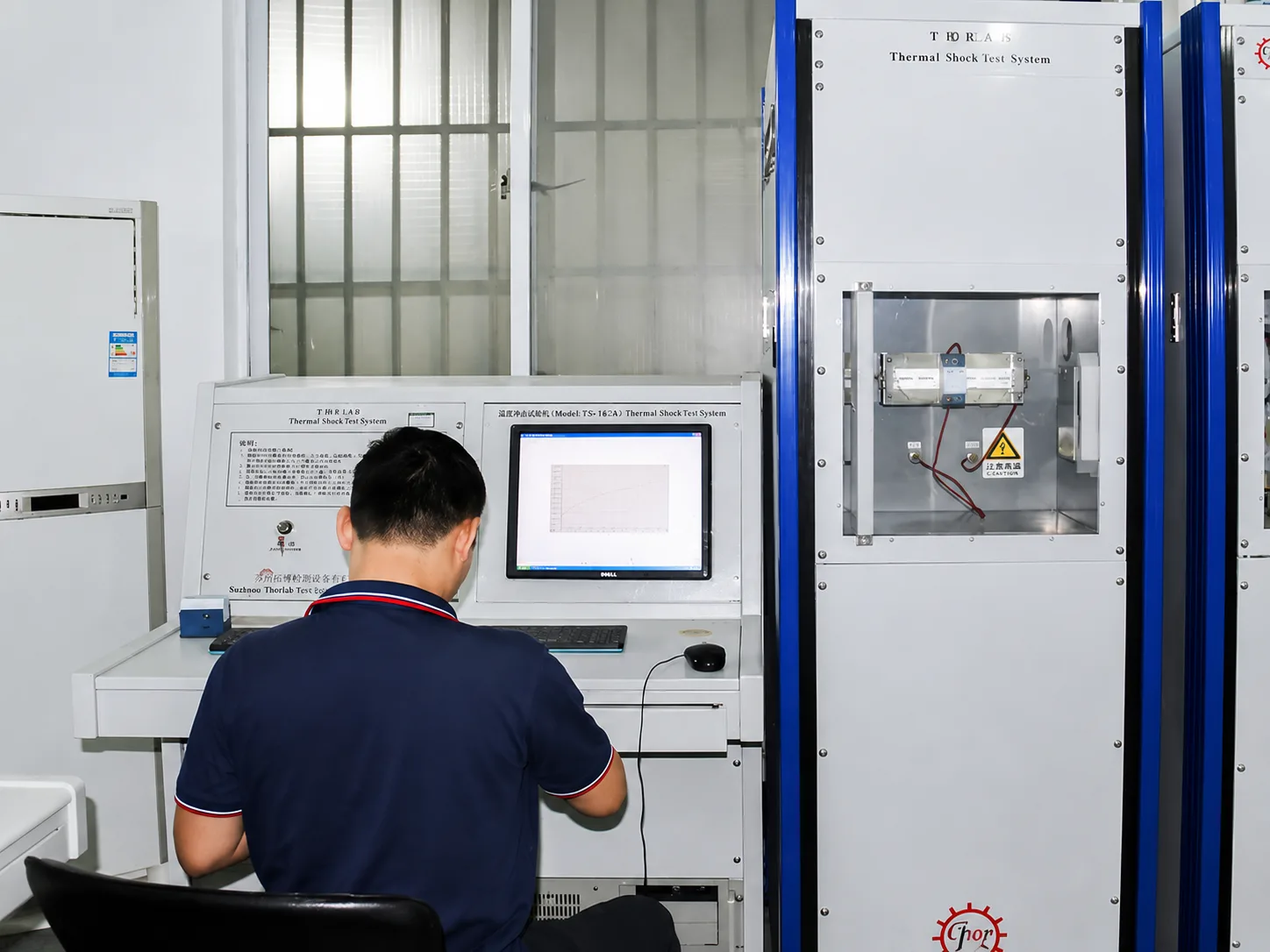
พฤติกรรมทางความร้อนและประสิทธิภาพการตัดวงจรมีความสำคัญเมื่อองค์ประกอบ MOV เสื่อมสภาพหรือได้รับความเครียดทางไฟฟ้าที่ผิดปกติ
LEEYEE สนับสนุนผู้จัดจำหน่ายพลังงานแสงอาทิตย์ ผู้ผลิตตู้รวมไฟ (Combiner-box) ซัพพลายเออร์ EPC และแบรนด์อุปกรณ์ไฟฟ้าด้วยการยืนยันรุ่นก่อนการผลิตตัวอย่างและผลิตจริง
เริ่มต้นด้วยรุ่น PV SPD และความต้องการของโครงการที่ถูกต้อง จากนั้นเราจะปรับตัวผลิตภัณฑ์ ข้อมูลสำหรับผู้ซื้อ และเอกสารที่มีอยู่ให้ตรงกันก่อนทำการอนุมัติ
ยืนยันแรงดันไฟฟ้า ประเภท จำนวนขั้ว ตำแหน่งการติดตั้ง ปริมาณ และเอกสารสำหรับตลาดเป้าหมาย
จับคู่ข้อมูลจำเพาะของผลิตภัณฑ์ แผนผังการเดินสายไฟ และขอบเขตของเอกสารที่มีอยู่ให้ถูกต้องตรงกัน
ยืนยันป้ายระบุ บรรจุภัณฑ์ คู่มือ และรายละเอียด OEM อื่นๆ ที่ตกลงกันไว้ก่อนเริ่มผลิต
ตรวจสอบเอกลักษณ์ของผลิตภัณฑ์ ลักษณะภายนอก และเอกสารที่ตกลงกันไว้ก่อนจัดส่ง
ใช้แรงดันไฟฟ้าวงจรเปิดของสตริง PV สูงสุดที่คำนวณได้ ณ อุณหภูมิการออกแบบต่ำสุด จากนั้นยืนยันว่าค่า Ucpv รูปแบบการเดินสายไฟ และมาตรฐานของโครงการที่เลือกนั้นเหมาะสม อย่าเลือกเพียงจากป้ายระบุของระบบเท่านั้น
Type 2 มักใช้สำหรับกระแสเกินที่เหนี่ยวนำและกระแสเกินจากการสลับวงจร ส่วน Type 1+2 จะถูกนำมาพิจารณาเมื่อการออกแบบระบบป้องกันฟ้าผ่าบ่งชี้ว่ากระแสฟ้าผ่าบางส่วนอาจเข้าสู่ระบบไฟฟ้า PV การเลือกขั้นสุดท้ายขึ้นอยู่กับการออกแบบสถานที่ ระยะห่าง การเดินสายเคเบิล และข้อกำหนดในท้องถิ่น
ไม่ ผลิตภัณฑ์ขนาด 1000V ไม่สามารถอนุมานได้ว่าเหมาะสมกับวงจร 1500V แรงดันไฟฟ้าที่กำหนดของ SPD และพารามิเตอร์ที่เกี่ยวข้องทั้งหมดจะต้องตรงกับเงื่อนไขของโครงการที่คำนวณไว้
คำตอบขึ้นอยู่กับความยาวของสายเคเบิล การจัดวางระบบ และการออกแบบการป้องกัน ระบบจำนวนมากต้องการการป้องกันใกล้กับวงจรของกล่องรวมสัญญาณ ทางเข้า DC ของอินเวอร์เตอร์ หรือทั้งสองปลายของเส้นทางที่ยาว
ส่งข้อมูลค่า Voc ของโมดูล, จำนวนโมดูลต่อสตริง, อุณหภูมิการออกแบบต่ำสุด, แรงดันระบบ, ตำแหน่งติดตั้ง, การจัดวางสายดิน, ประเภท SPD ที่ต้องการ, การกำหนดค่าขั้ว, ปริมาณที่คาดหวัง และเอกสารที่จำเป็น
ความพร้อมใช้งานและขอบเขตของเอกสารจะแตกต่างกันไปตามรุ่น แรงดันไฟฟ้า โครงสร้างโพล และรูปแบบการสร้างแบรนด์ โปรดขอชุดไฟล์เฉพาะรุ่นล่าสุดก่อนนำไปใช้งานในโครงการที่เป็นทางการหรือใช้สำหรับ OEM
โปรดส่งแรงดันไฟฟ้าระบบ PV ตำแหน่งการติดตั้ง และจำนวนที่ต้องการ ทาง LEEYEE จะตรวจสอบรุ่นที่เหมาะสมและเอกสารทางเทคนิคที่มีให้สำหรับโครงการของคุณ
ฟิลด์ที่จำเป็นนั้นสั้น ส่วนบริษัท ประเทศ และรายละเอียดทางเทคนิคเป็นทางเลือก