
600V · TYPE 2
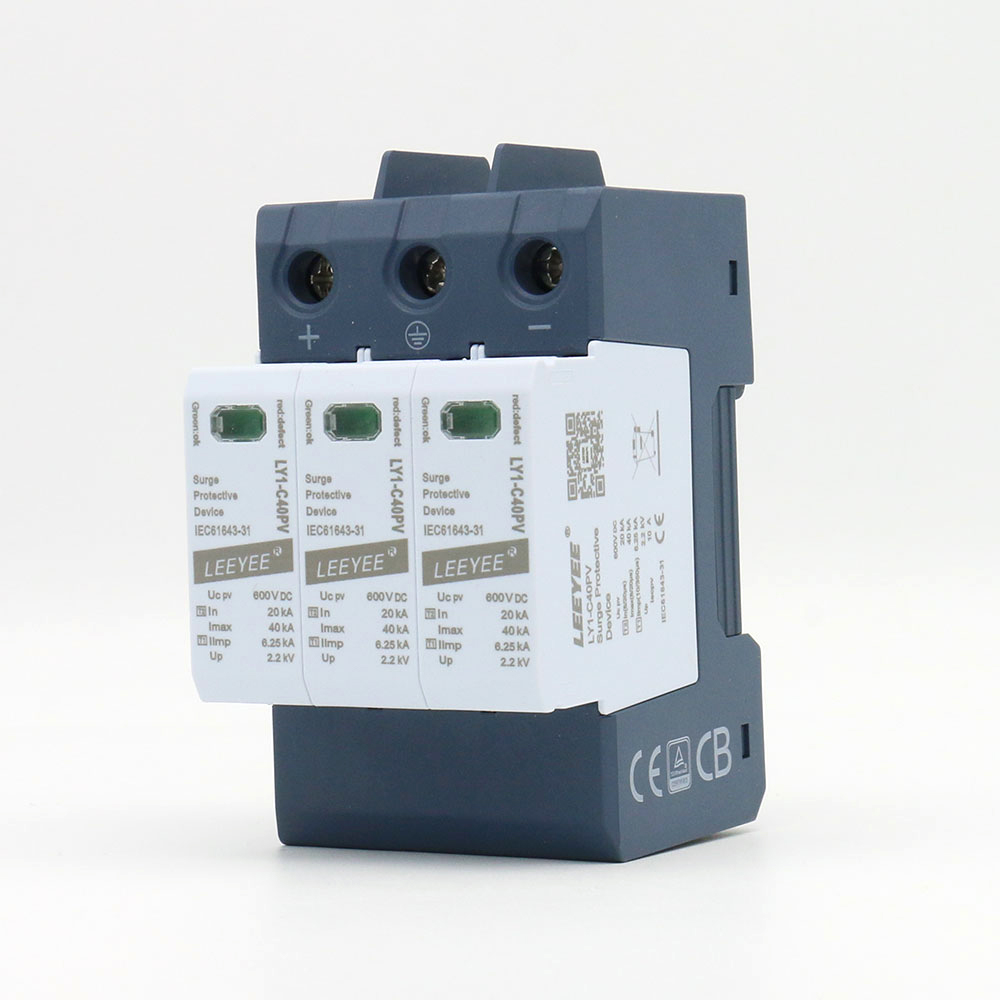
LY1-C40PV/3(S) 600V
Three-pole pluggable Type 2 DC SPD for compatible PV, telecom, energy-storage and industrial DC circuits up to 600V DC.
Type 23PIn 20kAImax 40kAUp ≤ 2.2kV
Select a real 600V, 1000V or 1500V DC SPD, then confirm Type 2 or Type 1+2 and the required 2P / 3P / D4 configuration. Built for B2B buyers who need a model, document set and quotation—not a long technical article.
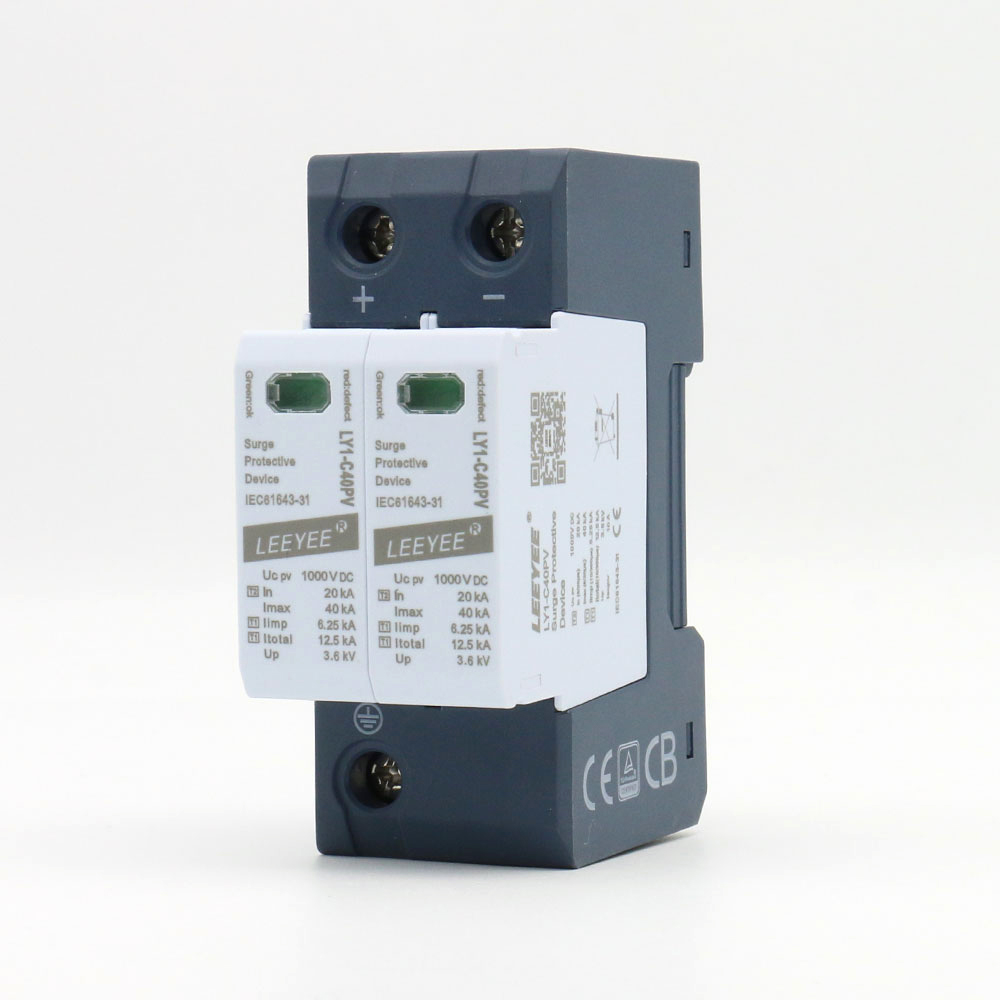
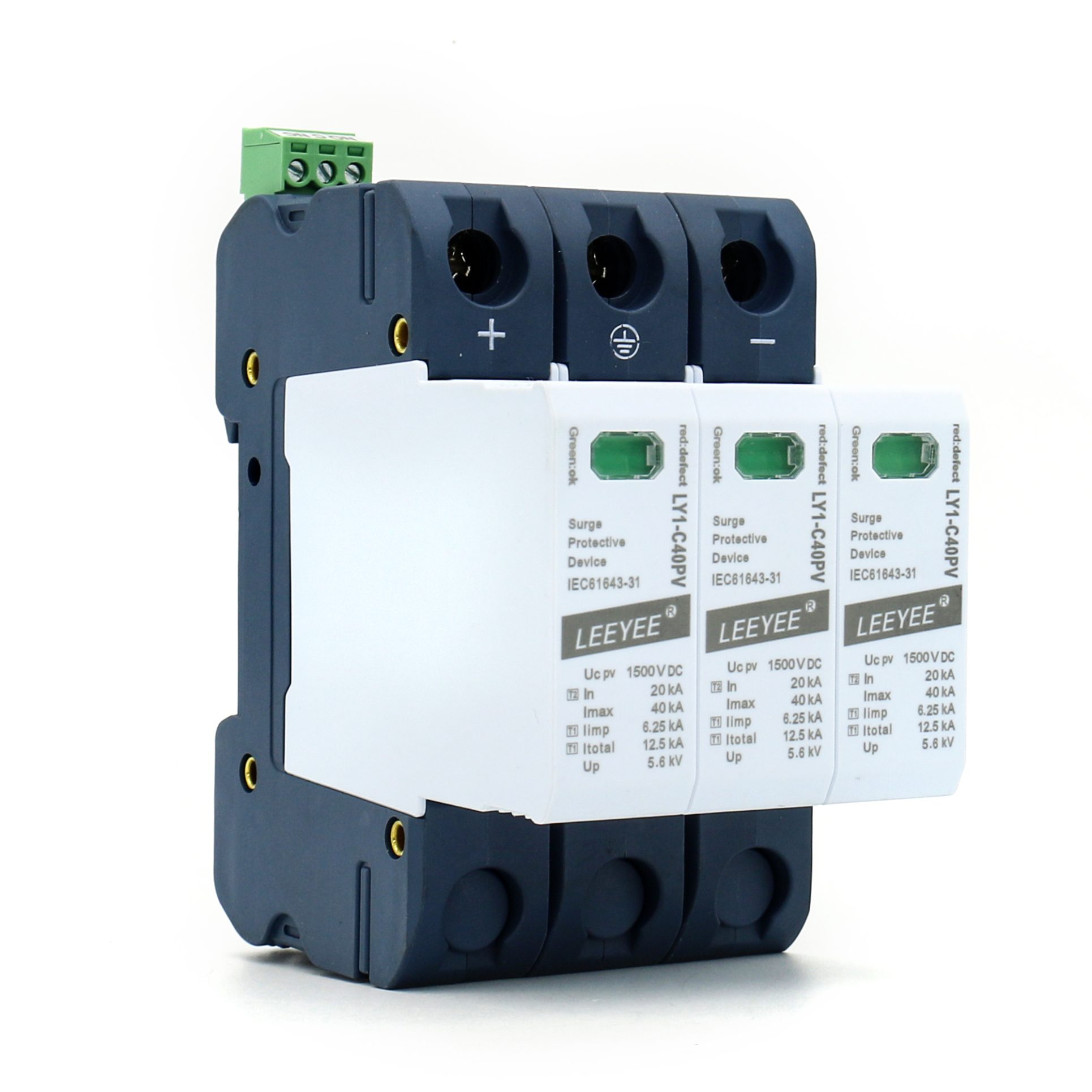
Start with the real product range. The four models below cover confirmed 600V, 1000V and 1500V options shown on LEEYEE product pages; 1200V requirements are reviewed by specification rather than represented by an unverified product card.
Three-pole pluggable Type 2 DC SPD for compatible PV, telecom, energy-storage and industrial DC circuits up to 600V DC.
Two-pole pluggable Type 1+2 DC SPD for 1000V photovoltaic and high-voltage DC applications requiring separate positive and negative protection paths.
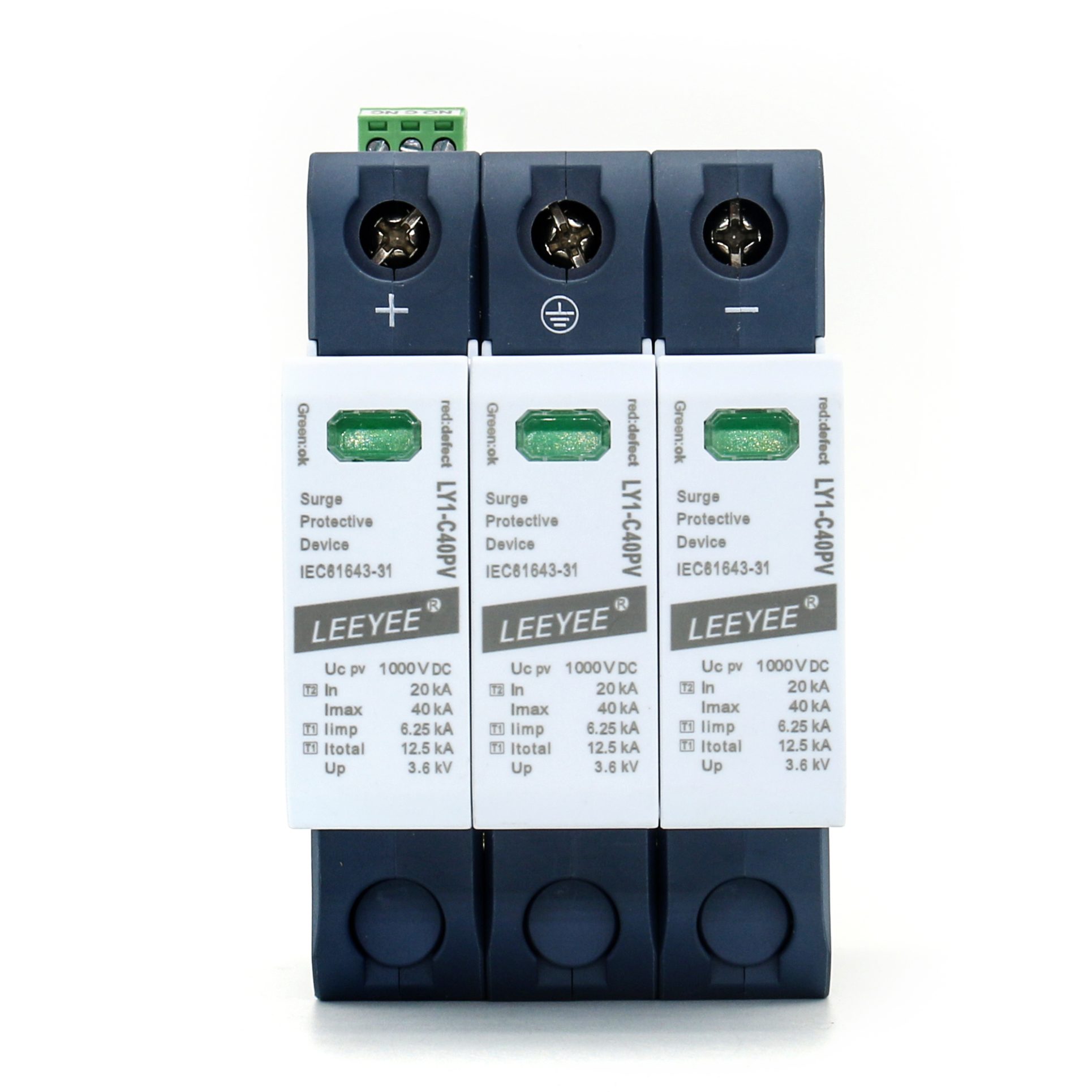
Three-pole D4 Type 1+2 DC SPD for 1000V combiner boxes, inverter DC inputs and DC protection cabinets that require this wiring configuration.
Three-pole Type 1+2 D4 DC SPD for compatible 1500V PV and high-voltage DC systems, including utility-scale combiner and inverter-side applications.
Document boundary: certification and test-document availability depends on the exact model, voltage, SPD Type, pole structure and branding configuration. Request the latest model-specific file set before tender, project filing or OEM marking.
Ucpv must be checked against the maximum DC voltage that can appear at the SPD terminals. For PV projects, corrected string Voc, minimum design temperature and inverter or combiner-box limits should be reviewed before final model approval.
Do not choose only from a “600V / 1000V / 1500V” name. Check the actual DC circuit condition and, for PV, the corrected maximum string Voc.
Type classification describes surge-current test capability. It does not replace Ucpv selection. The project lightning-protection concept determines which class is required.
Match the SPD protection paths to the actual DC+, DC−, PE and cabinet wiring arrangement. Pole count is not the same thing as SPD Type.
Selection boundary: the table is buyer-level pre-selection, not a substitute for the project design. A higher-voltage SPD does not upgrade the inverter, fuse holder, isolator, cable, connector or cabinet to the same voltage class.
A 1000V DC SPD can still be Type 2 or Type 1+2. First confirm Ucpv, then confirm the surge-current class and the wiring configuration required by the project.
Type 2 products are commonly used where the protection concept calls for 8/20μs discharge-current performance without a Type 1 lightning-current requirement.
Type 1+2 may be selected where the lightning protection design indicates that partial lightning current can enter the DC circuit or the project specification explicitly requires combined Type 1 and Type 2 performance.
For a fast B2B model review, the most useful inquiry is not “price for 1000V SPD”. Send the electrical condition and purchasing context so the exact model, Type, poles and document set can be checked together.
Equipment photos are supporting evidence, not a substitute for a model-specific datasheet, wiring diagram or certificate scope. The exact product and declared performance still need to be matched before approval.
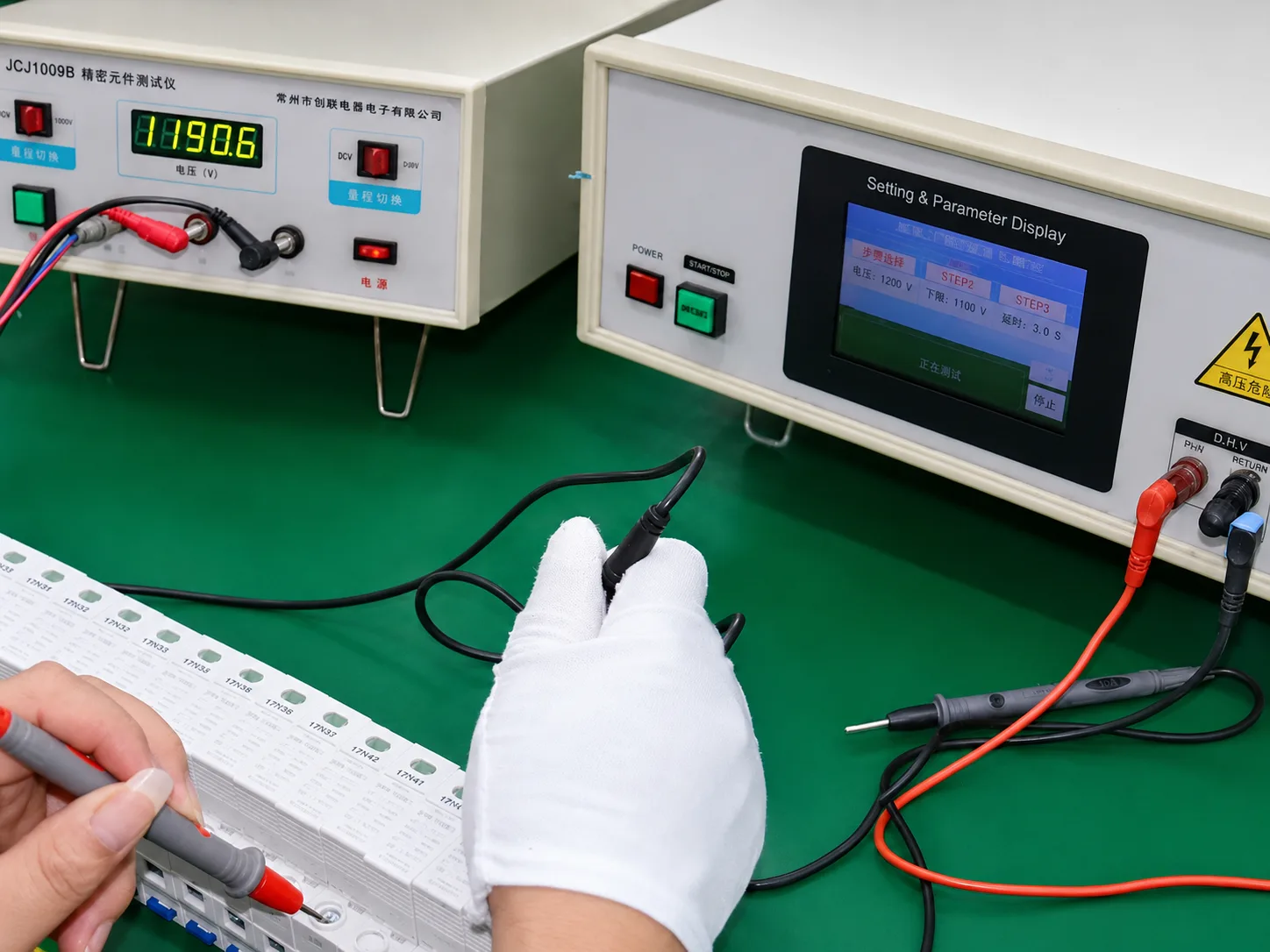
MOV and related component checks support control of the core protection elements before assembly and batch release.
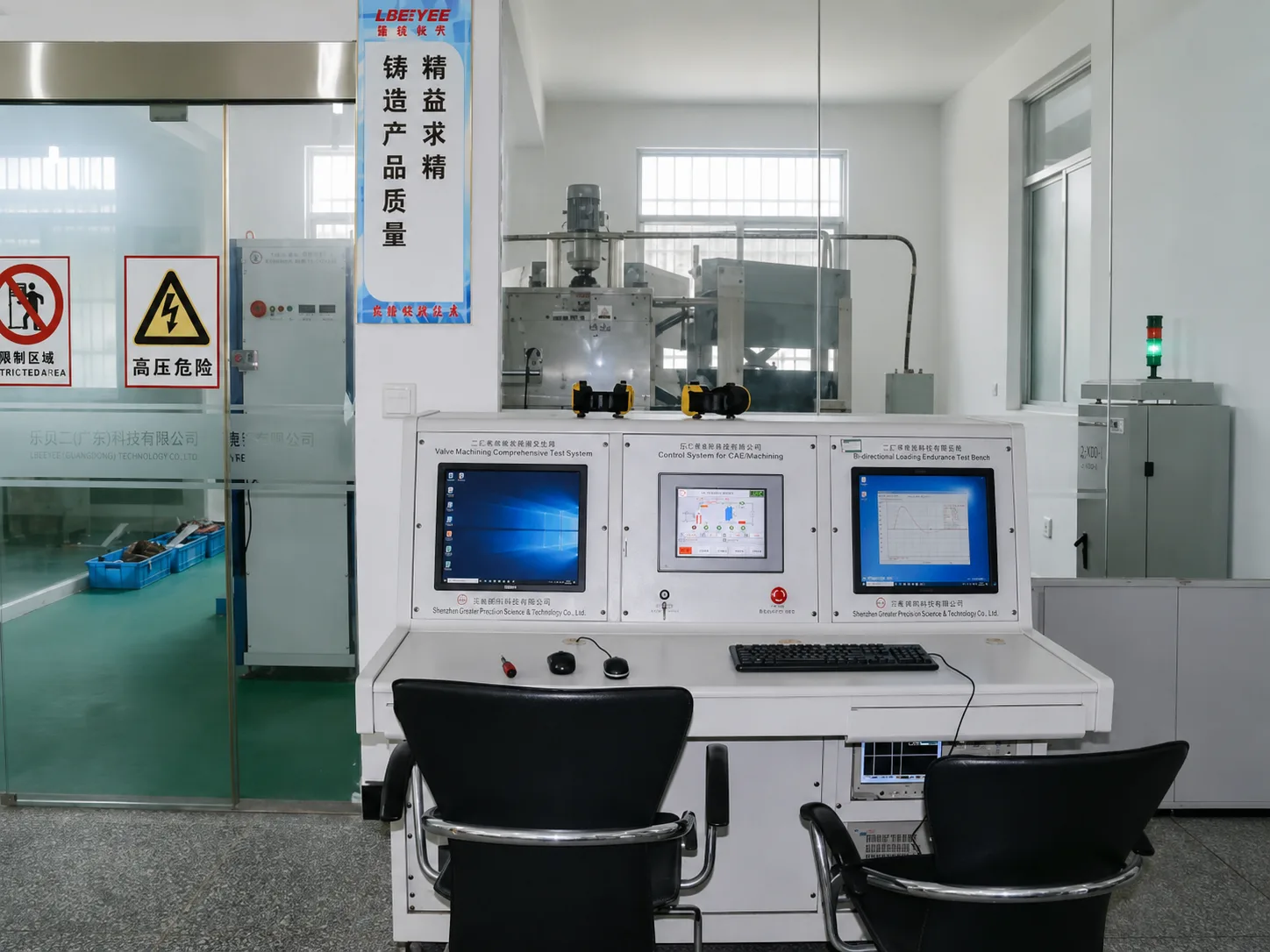
Declared 8/20μs and 10/350μs performance should be checked against the exact Type and model being ordered.
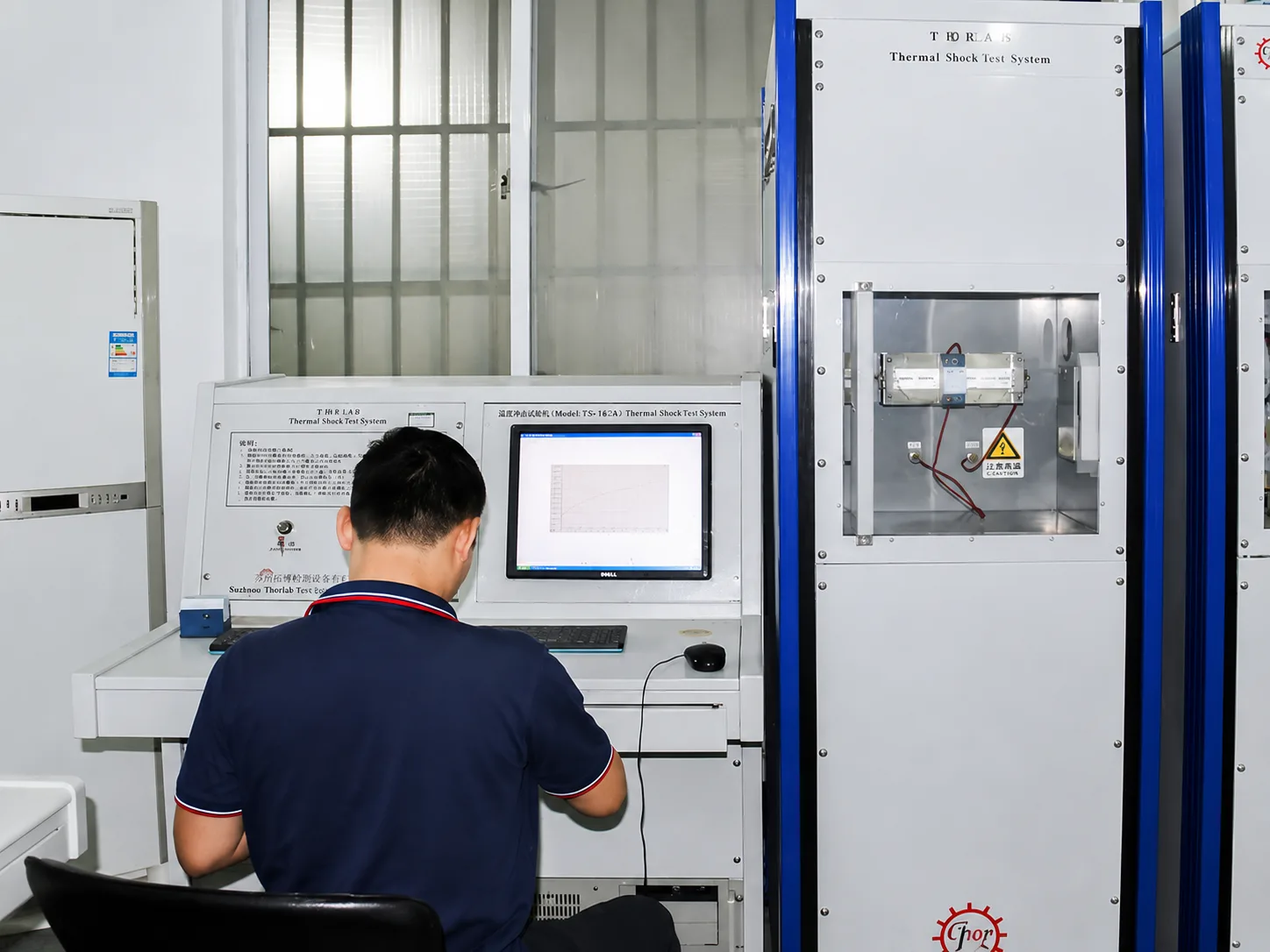
Thermal behavior and disconnection performance are important when MOV elements age or experience abnormal electrical stress.
Certification and test-document availability depends on the exact model, voltage, SPD Type, pole structure and branding configuration. Submit the target specification for document confirmation.
For distributors, combiner-box manufacturers, EPC buyers and OEM brands, model approval should cover the electrical specification and the buyer-facing product identity as one set.
LEEYEE can review the requested DC SPD model together with the intended label, packaging and available technical documents before sample or batch approval.
Keep the workflow compact so procurement and engineering can verify the same configuration before release.
Start with the real maximum DC voltage that can appear at the SPD terminals. For PV projects, review module Voc, modules in series and minimum design temperature, then confirm the selected Ucpv, Type and wiring configuration against the complete system design.
A 1500V SPD should not be used as a shortcut to solve a 1000V system design problem. The inverter, combiner box, isolator, fuse holder, cable, connector and protection coordination still need to match the actual system voltage class.
Type 2 is associated with 8/20μs discharge-current performance and is commonly used for induced or switching surges. Type 1+2 also includes lightning-current capability tested with a 10/350μs impulse for the declared model. Final selection follows the project lightning-protection concept.
Not automatically. The corrected maximum PV string Voc and inverter or combiner-box voltage limits should be checked first. If the system design approaches or exceeds its voltage limit, changing only the SPD does not correct the rest of the DC system.
Use the actual product wiring diagram and the project’s DC+, DC− and PE arrangement. Pole count and D4 configuration describe the protection arrangement; they are not substitutes for Ucpv or SPD Type selection.
Document availability and scope vary by exact model, voltage, Type, pole structure, manufacturer and branding configuration. Request the latest model-specific document set before formal project, tender or OEM use.
The final form is kept at the end of the page. Name and Business Email remain the essential contact fields; company, country and technical details can stay optional so qualified buyers are not blocked by an unnecessarily long mandatory form.