Miniatur-Stromkreisunterbrecher (MCB): Das maßgebliche Whitepaper für globale elektrische Sicherheit
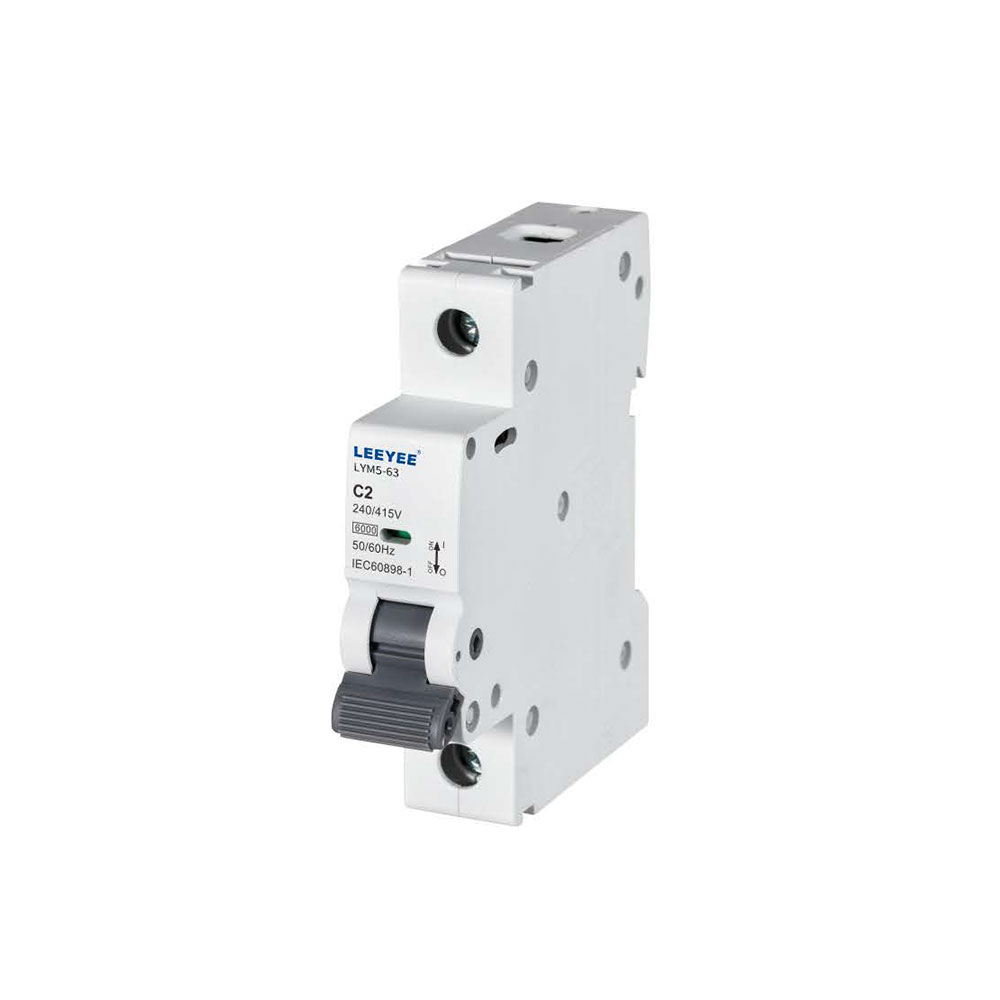
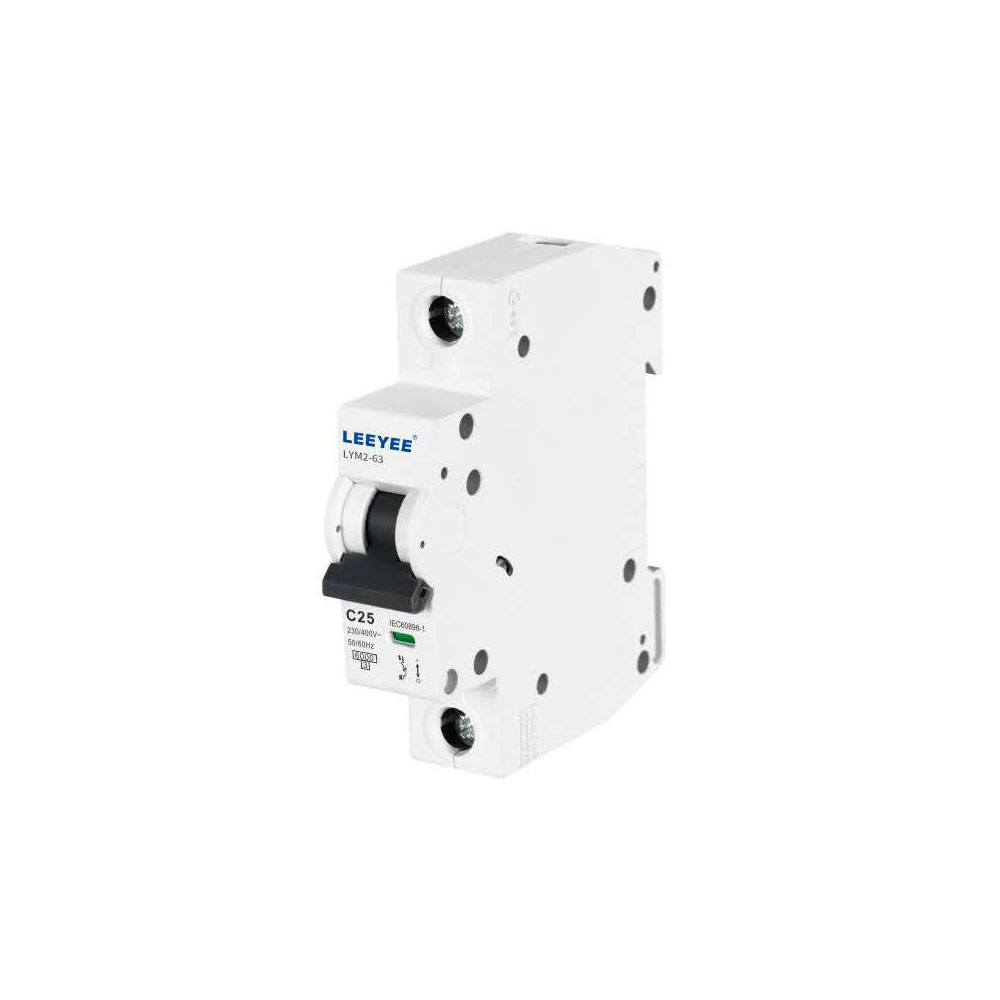
In modernen elektrischen Systemen ist die Miniatur-Leitungsschutzschalter (MCB) dient als primäre Verteidigungslinie gegen Überlastungen und Kurzschlüsse.
Mit dem Ausbau der globalen Infrastruktur - von intelligenten Häusern bis hin zur industriellen Automatisierung - wächst der Bedarf an zuverlässigem, leistungsstarkem Stromkreisschutz. Für Händler, Bauunternehmer und Beschaffungsmanager ist ein MCB nicht nur ein Schalter, sondern eine wichtige Sicherheitseinrichtung, die Menschen, Geräte und Eigentum schützt.
Seit 2009 hat sich LEEYEE Electrics auf die Herstellung von Niederspannungselektrik spezialisiert und arbeitet in einem 8.000 m² Produktionsstätte mit 8 Produktionslinien, und beliefern die globalen Märkte.
Dieses Whitepaper erläutert die technischen Grundlagen, Auswahlmethoden und Beschaffungsüberlegungen für Leitungsschutzschalter.
Inhaltsübersicht
Teil I: Technische Grundlagen - Wie ein MCB funktioniert
1. Dualer Schutzmechanismus: Thermisch + Magnetisch
Ein MCB ist eine elektromechanische Schutzeinrichtung zur Unterbrechung von Überstrombedingungen.
Im Gegensatz zu einer Schmelzsicherung, die nach dem Betrieb ausgetauscht werden muss, ist ein MCB rücksetzbar und bietet zwei Arten von Schutz:
Thermischer Schutz (Überlastungsschutz)
-
Funktioniert bei anhaltendem Überstrom leicht über dem Nennstrom
-
Verwendet eine Bimetallstreifen
-
Bei Überhitzung verbiegt sich der Streifen und löst den Auslösemechanismus aus
-
Die Auslösezeit ist umgekehrt proportional zur Stromstärke
Dies schützt vor lang andauernden Überlastungen.
Magnetischer Schutz (Kurzschlussschutz)
-
Funktioniert bei plötzlichem hohem Fehlerstrom
-
Verwendet ein Elektromagnetische Spule
-
Hoher Strom erzeugt ein starkes Magnetfeld
-
Der Stößel löst den Unterbrecher sofort aus (Millisekunden)
Dies schützt vor Kurzschlüssen.
2. Mechanismus der Lichtbogenabschreckung (De-Ionen-Prinzip)
Wenn sich die Kontakte unter Last öffnen, entsteht ein elektrischer Lichtbogen.
Wenn dieser Lichtbogen nicht kontrolliert wird, kann er Kontakte beschädigen oder Feuergefahr verursachen.
MCBs verwenden eine Lichtbogenschacht (Lichtbogensplittersystem):
-
Bogen-Läufer führt den Lichtbogen von den Kontakten weg
-
Lichtbogenverteilerplatten Unterteilung des Bogens in kleinere Bögen
-
Erhöhte Lichtbogenspannung + Kühlung lässt den Lichtbogen erlöschen
Durch dieses Verfahren wird die Energie sicher und schnell abgebaut.
Teil II: Auslösekurven - Auswahlmatrix
Die Auslösekurve definiert den momentanen magnetischen Auslösebereich.
| Kurve Typ | Magnetischer Auslösebereich | Typische Anwendungen |
|---|---|---|
| Typ B | 3-5 × In | Widerständige Lasten: Beleuchtung, Heizung, Haushaltsstromkreise |
| Typ C | 5-10 × In | Induktive Lasten: kleine Motoren, Leuchtstoffröhren |
| Typ D | 10-20 × In | Hohe Einschaltlasten: große Motoren, Transformatoren |
| Typ K | 8-12 × In | Spezialisierte Industriemaschinen |
| Typ Z | 2-3 × In | Empfindliche Elektronik: PLCs, Halbleiterausrüstung |
Die richtige Wahl der Kennlinie gewährleistet einen Schutz ohne störende Auslösungen.
Teil III: Technische Spezifikationen - Entschlüsselung der MCB-Bewertungen
1. Nennstrom (In)
Maximaler Dauerstrom ohne Auslösung.
Gemeinsame Bewertungen:
6A, 10A, 16A, 20A, 32A, 40A, 63A
2. Nennspannung (Un)
Typisch:
-
230V AC (einphasig)
-
400V AC (dreiphasig)
3. Ausschaltvermögen (Icn / Icu)
Maximaler Fehlerstrom, den der MCB sicher unterbrechen kann.
Gemeinsame Bewertungen:
-
6kA
-
10kA
Icu - Ultimative Bruchlast
Der maximale Strom, den der Unterbrecher sicher unterbrechen kann.
Ics - Ausschaltvermögen
Maximalstromunterbrecher kann unterbrechen und bleibt danach voll funktionsfähig.
Hochwertige Unterbrecher können folgende Merkmale aufweisen:
Ics = 100% von Icu
4. Energiebegrenzende Klasse
Normalerweise Klasse 3, was auf eine hohe Energiebegrenzung und einen besseren Schutz der Kabel hinweist.
Teil IV: Überlegungen zur B2B-Beschaffung
Professionelle Einkäufer sollten dies bewerten:
Zertifizierung
-
TUV
-
CB
-
CE
-
SAA (für den australischen Markt)
-
ISO9001-Qualitätssystem
Überprüfen Sie stets die Zertifikatsnummern und die ausstellenden Stellen.
Herstellungskapazität
Wichtige Beschaffungsfaktoren:
-
Stabile Produktionskapazität
-
Dedizierte Qualitätsprüfgeräte
-
Rückverfolgbarkeit der Chargen
-
Langfristige Produktionsstabilität
Teil V: 4R Business Framework
Berücksichtigen Sie bei der Auswahl eines Fertigungspartners:
Relevanz
Produkte geeignet für:
-
Wohngebäude
-
Kommerzielle Gebäude
-
Industrielle Automatisierung
Reaktion
-
Schnelles Angebot
-
Schnelle technische Unterstützung
Beziehung
-
Langfristige Stabilität der Zusammenarbeit
-
Unterstützung nach dem Verkauf
Belohnung
-
Unterstützung für Eigenmarken
-
Individuelle Branding-Möglichkeiten
Teil VI: Leitfaden für die Auftragsvergabe - 5 rote Fahnen
-
Keine verifizierten 6kA / 10kA Ausschaltprüfberichte
-
Ungewöhnlich leichte Konstruktion (geringer Kupfer-/Silbergehalt)
-
Keine eindeutigen B/C/D-Auslösekurvenoptionen
-
Nicht überprüfbare Zertifizierungslogos
-
Keine Deckung der Produkthaftung
Häufig gestellte Fragen (FAQ)
Was ist der Unterschied zwischen MCB und MCCB?
-
MCB: Typischerweise bis zu 125A, feste Auslöseeinstellungen
-
MCCB: Höherer Strom (bis zu 2500A), einstellbare Auslöseeinstellungen
Kann der Typ C für die Haushaltsbeleuchtung verwendet werden?
Ja, insbesondere dort, wo LED-Treiber oder Leuchtstoffröhren einen hohen Einschaltstrom erzeugen. Die Impedanz der Erdungsschleife muss jedoch überprüft werden.
Was bedeutet 10kA bei einem MCB?
Das ist das Ausschaltvermögen.
Der Unterbrecher kann einen Kurzschluss bis zu 10.000 Ampere sicher unterbrechen.
Wie viele Operationen kann ein MCB durchführen?
Typische Lebensdauer:
-
Mechanische Lebensdauer: 20.000+ Einsätze
-
Elektrische Lebensdauer: 10.000+ Schaltspiele unter Nennlast
Ist es sicher, einen MCB als Hauptschalter zu verwenden?
Obwohl technisch möglich, ist eine Isolator-Schalter wird in der Regel für die Haupttrennung bevorzugt, da sie eine deutlichere physische Trennung bietet.
Warum ist der Ics wichtig?
Ics gibt die Fähigkeit des Leistungsschalters an, nach Unterbrechung eines Fehlers funktionsfähig zu bleiben.
Höhere Ics-Werte stehen für längere Haltbarkeit und Zuverlässigkeit.
Schlussfolgerung
A Miniatur-Leitungsschutzschalter (MCB) ist ein grundlegender Bestandteil von elektrischen Sicherheitssystemen.
Die richtige Auswahl auf der Grundlage von Auslösekurve, Ausschaltvermögen und Konformität gewährleistet die Zuverlässigkeit des Systems und den Schutz vor Überlast und Kurzschlüssen.
Für Großhandelsanfragen und technische Beratungen steht Ihnen das LEEYEE-Team gerne zur Verfügung.