LEEYEE · AC Low-Voltage SPD

Dispositifs de protection contre les surtensions en courant alternatif for Single-Phase and Three-Phase Systems

For distributors, panel builders, OEM brands and electrical projects. Compare real LEEYEE AC SPD families by Type, Uc, pole arrangement and network—then send the project details needed for model and document confirmation.

Type 1 lightning-current dutyType 1+2Type 275–440V AC versions1P to 4P / +N optionsDIN-rail ranges
View AC SPD Ranges

Final selection depends on the actual voltage path, network, SPD duty, poles, Up, upstream backup protection and project requirements.

Product scope: Low-voltage DIN-rail AC surge protective devices only—not voltage protectors, stabilizers or power-strip surge products.

Real product families firstB25, LY1-12.5 and LY1-C40 appear immediately instead of hiding products below a long guide.
Engineering selection supportType, Uc, poles, network and external backup protection are reviewed together.
Documents spécifiques au modèleCertificate and test-document scope is checked against the exact quoted configuration.
Choose a Real Range

See what you can buy before reading the engineering details

Three current AC SPD families cover different surge duties. Choose a representative family first; then confirm the exact voltage, protection path and model suffix.

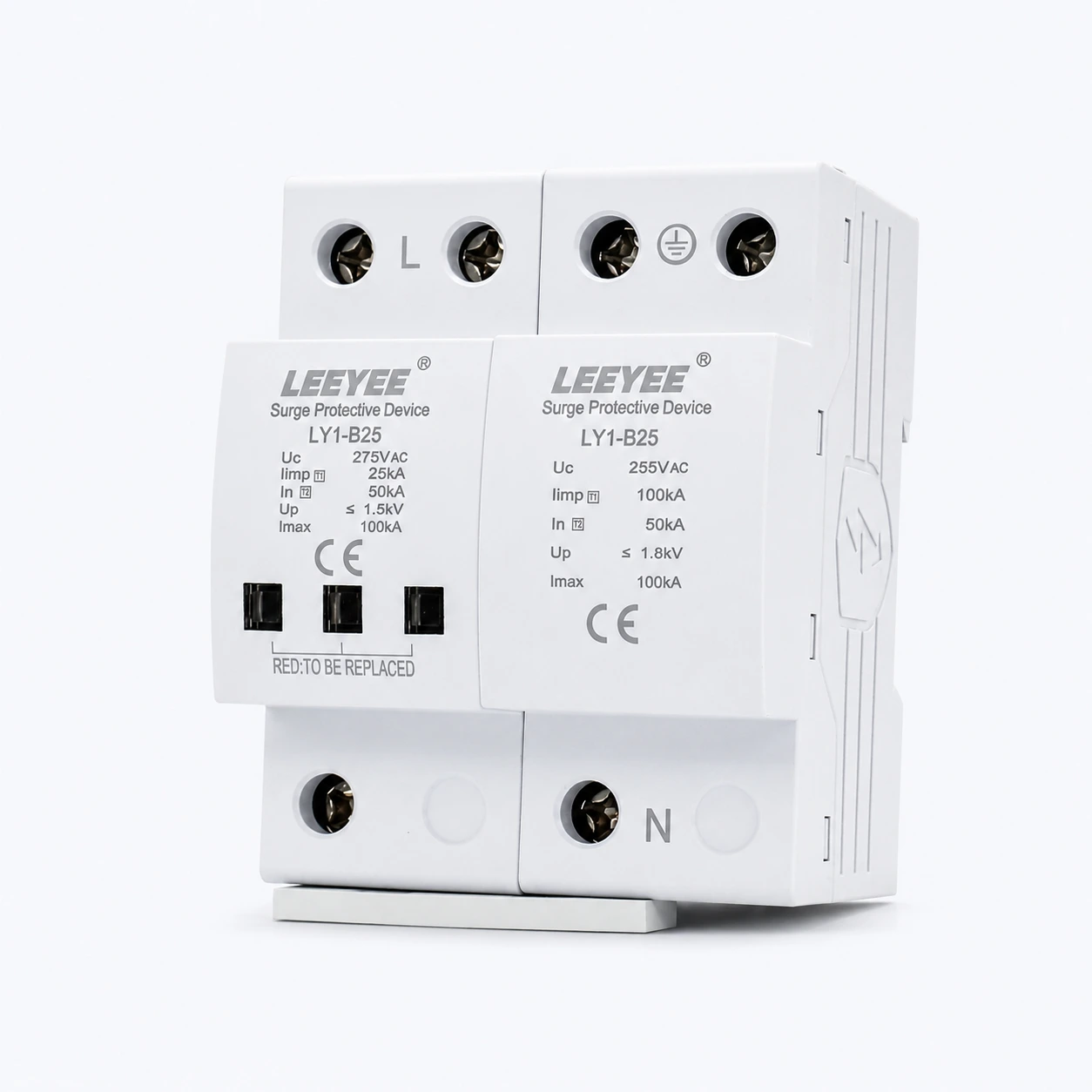
TYPE 1 DUTYLEEYEE LY1-B25 AC surge protective device range for Type 1 lightning-current duty

LY1-B25 Series

Combined Type 1+2 product · Type 1 Iimp duty

For incoming-side protection where the project requires Type 1 lightning-current performance. The B25 range is correctly classified Type 1+2 because it also states Type 2 surge-current performance.

  • Uc150 / 275 / 320 / 385 / 440V AC
  • Iimp25kA phase-path options · 10/350μs
  • Dans / Imax25kA / 100kA on shown phase modules
  • Pôles1P, 2P, 3P, 4P and +N arrangements
  • Haut de la pageConfirm by exact model and Uc version
  • DocumentsConfirm model-specific scope before approval
Détails
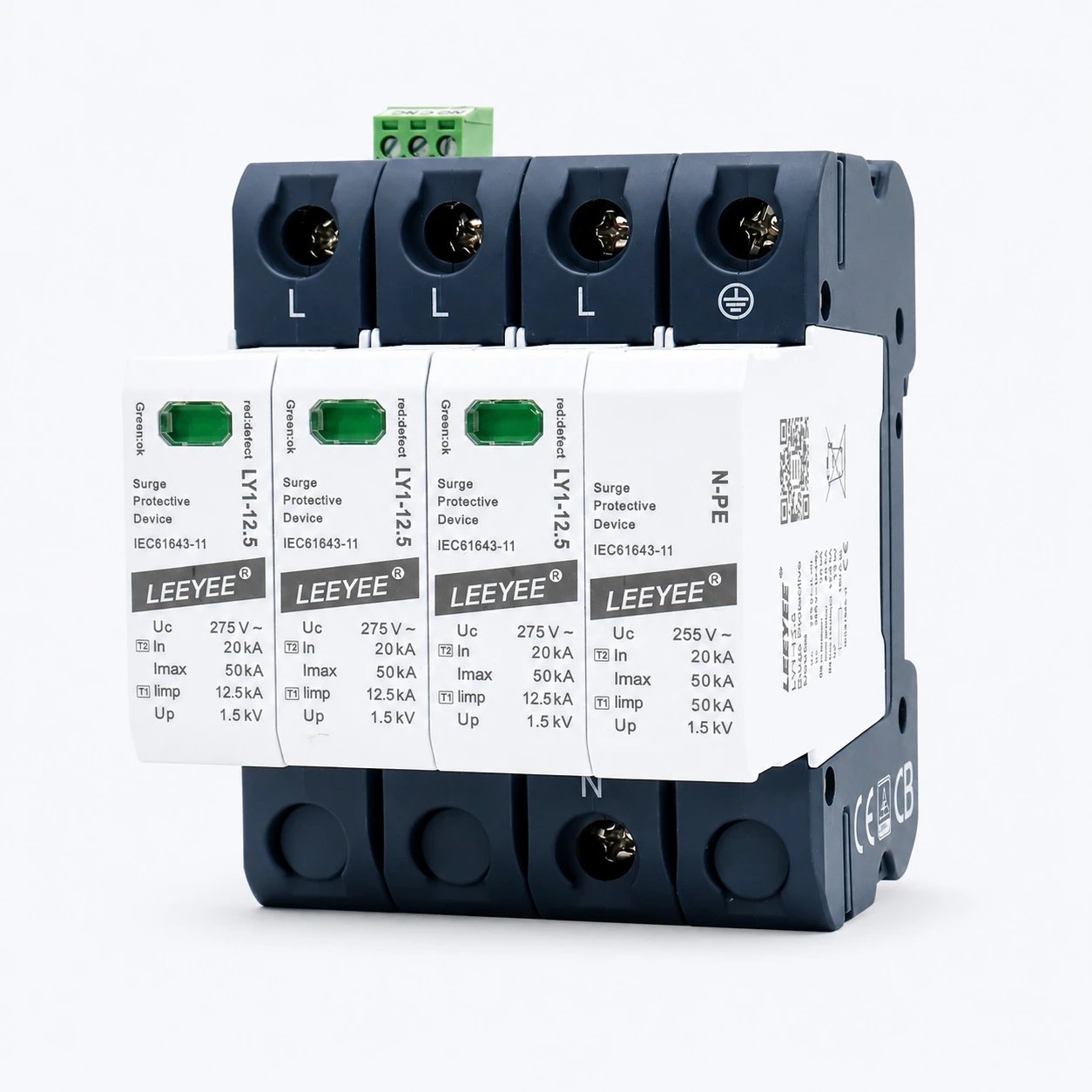
TYPE 1+2LEEYEE LY1-12.5 Type 1 plus 2 AC surge protective device range

Série LY1-12.5

Type 1+2 · Class I+II AC SPD

For main distribution projects that require one SPD family with both 10/350μs lightning-current and 8/20μs surge-current performance.

  • Uc75–440V AC, by model/version
  • Iimp10–12.5kA, by voltage/version
  • Imax50kA on the current range shown
  • Pôles1P to 3P+N configurations
  • Haut de la pageConfirm by exact model and Uc version
  • DocumentsConfirm model-specific scope before approval
Détails
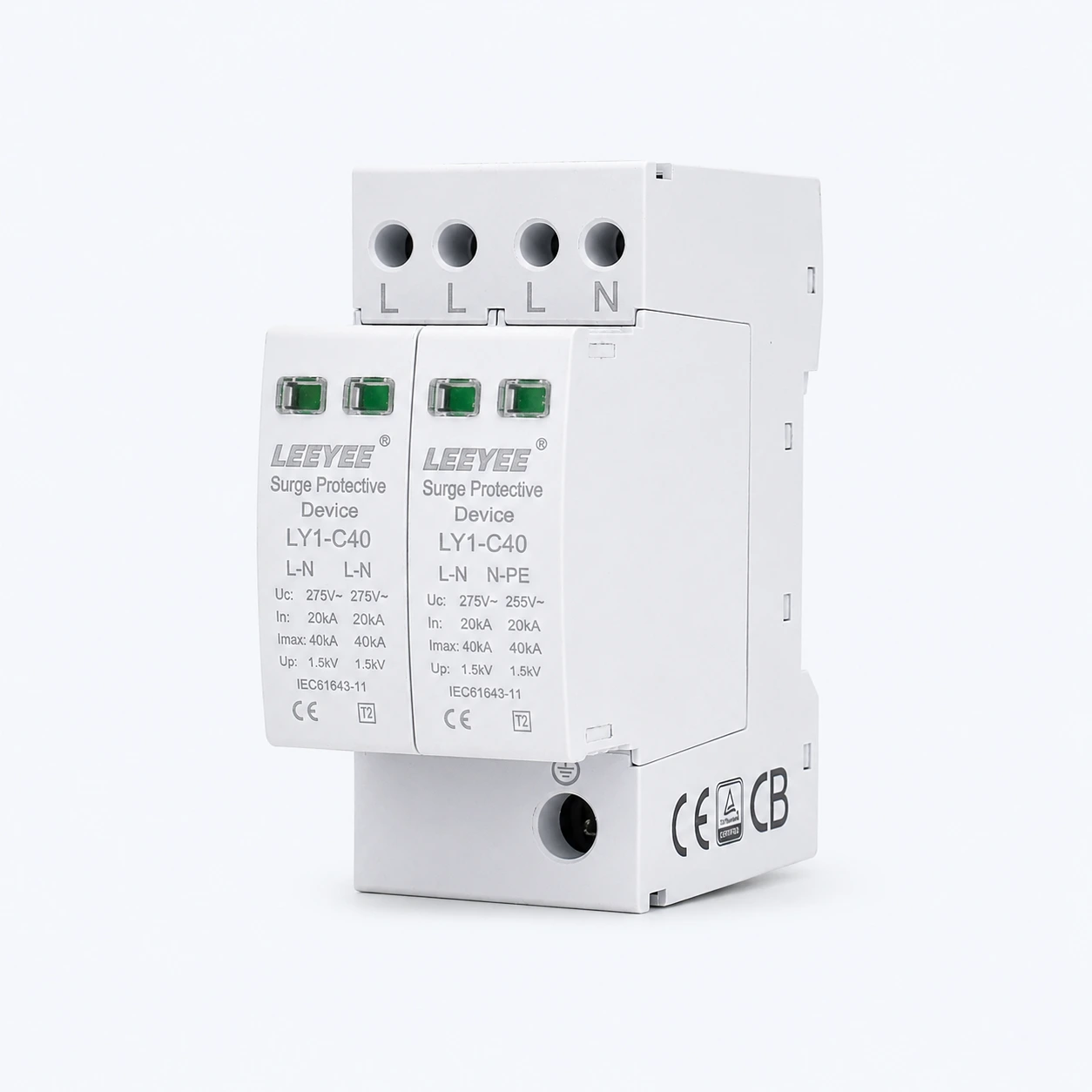
TYPE 2LEEYEE LY1-C40 Type 2 AC surge protective device range

Série LY1-C40

Type 2 · Pluggable AC SPD

For sub-distribution boards, control panels and OEM assemblies where induced and switching surges are the main Type 2 duty.

  • Uc75 / 150 / 275 / 320 / 385 / 440V AC
  • Dans / Imax20kA / 40kA · 8/20μs
  • Pôles1P, 2P, 3P, 1P+N, 3P+N, 4P
  • OptionsPluggable modules · remote-contact versions
  • Haut de la pageConfirm by exact model and Uc version
  • DocumentsConfirm model-specific scope before approval
Détails
Document scope note: family-level values are a buying overview. Before project approval or bulk order, confirm the exact model, Uc, protection mode, Up, pole configuration, suffix, external backup protection and available CE / TÜV / CB / RoHS / IEC-related documents.
3-step selection

Confirm Type, Network and Voltage in 3 Steps.

Start with the installation point, then confirm the AC network and protected voltage path. These three checks narrow the correct SPD duty, pole arrangement, Uc and Up before quotation.

  • Installation point defines the likely SPD duty.
  • Network and conductors define the protection paths.
  • Actual voltage path helps determine Uc and Up.
01

Where will the SPD be installed?

Use the installation stage to choose the first product path.

02

Which AC network is at the installation point?

Pole count should follow the real conductor and earthing arrangement.

03

What voltage path are you protecting?

Nominal system voltage alone does not automatically determine Uc.

Selection summary: choose the answers you know. They will be added automatically when you open the inquiry form.
System & Uc

Two checks that prevent many wrong AC SPD orders

Keep the engineering layer short: confirm network/poles, then confirm the continuous voltage across the actual protected path.

Network → pole arrangement

3P, 4P and 3P+N are not interchangeable labels. Confirm neutral and PE treatment before model approval.

Single-phase1P, 1P+N or verified 2-pole arrangement depending on the protection path.
TN-C3P is a common starting arrangement where no separate neutral is protected at that point.
TN-S4P or 3P+N may be considered depending on 4+0 versus 3+1 protection mode.
TTVerify the N-PE path and the selected product wiring/protection concept before ordering.

Uc → actual protected voltage path

Use common AC Uc values only as starting points. Final selection should consider normal tolerance, TOV conditions and the required Up.

275VCommon 230V L-N starting point
320VAdditional operating margin
385VWider voltage tolerance
440VUse only when the path requires it
A higher Uc is not automatically “better.” Confirm the resulting protection level and the actual voltage path before approval.
Testing & Documentation

Use evidence to reduce procurement risk

Testing capability supports product and batch verification. Final project approval still depends on the exact model and document scope.

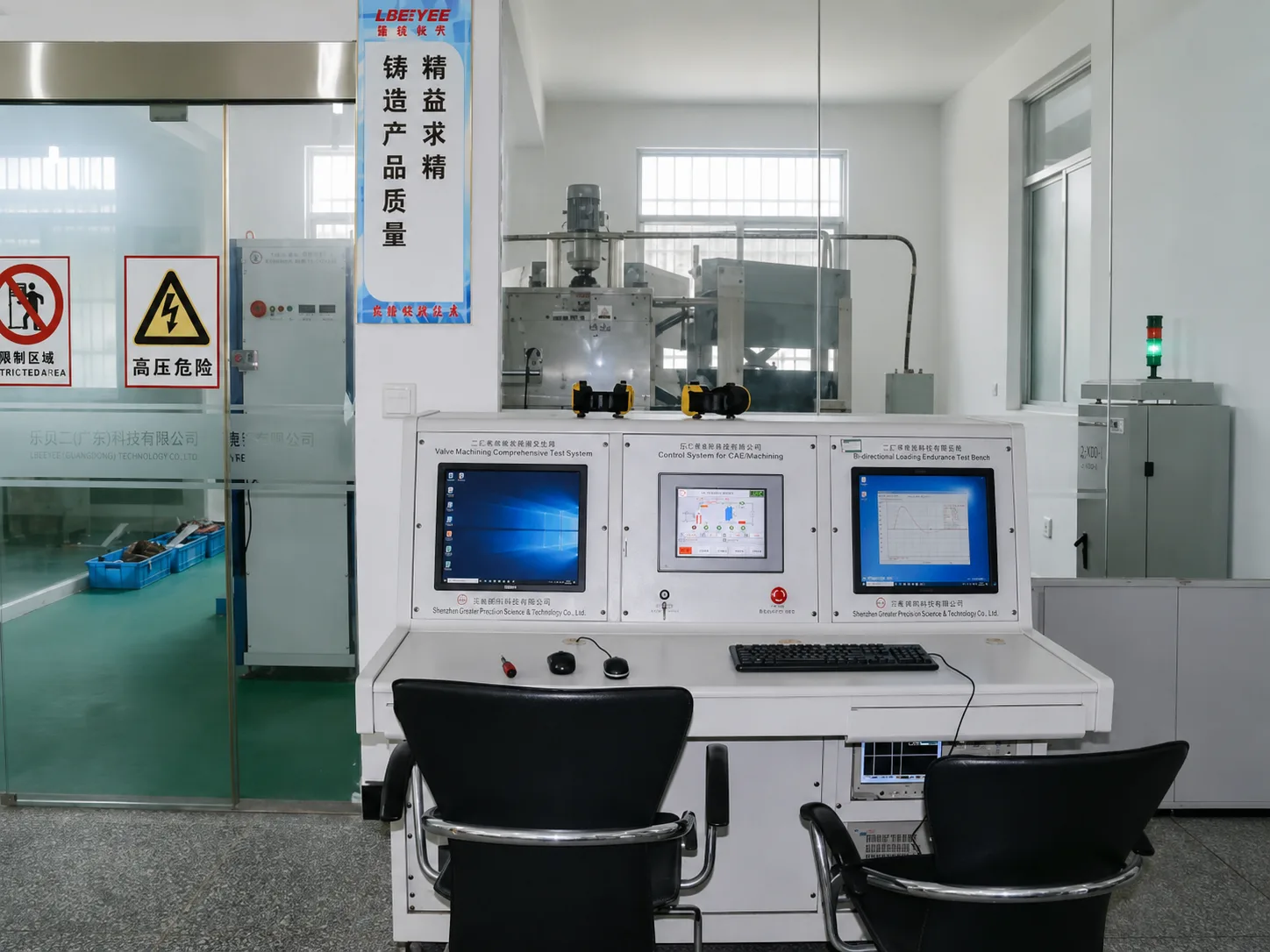
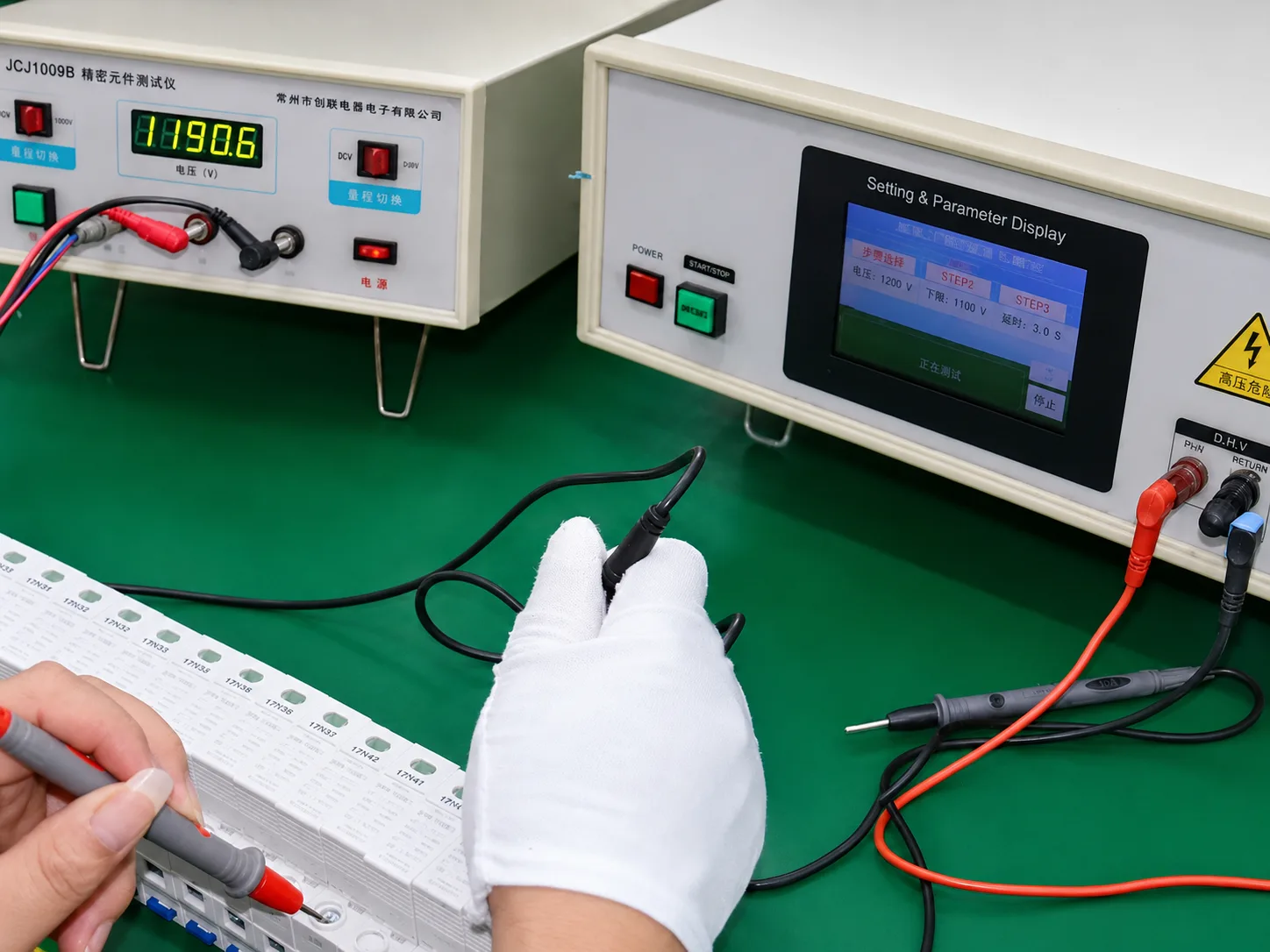
MOV and GDT component tester used in LEEYEE SPD verification

MOV & GDT checks

Component verification supports review of electrical behaviour and batch consistency before finished SPD assembly.

Lightning impulse generator used for LEEYEE surge protective device verification

Impulse-current verification

Check the declared waveform and current parameter relevant to the selected SPD duty and protection path.

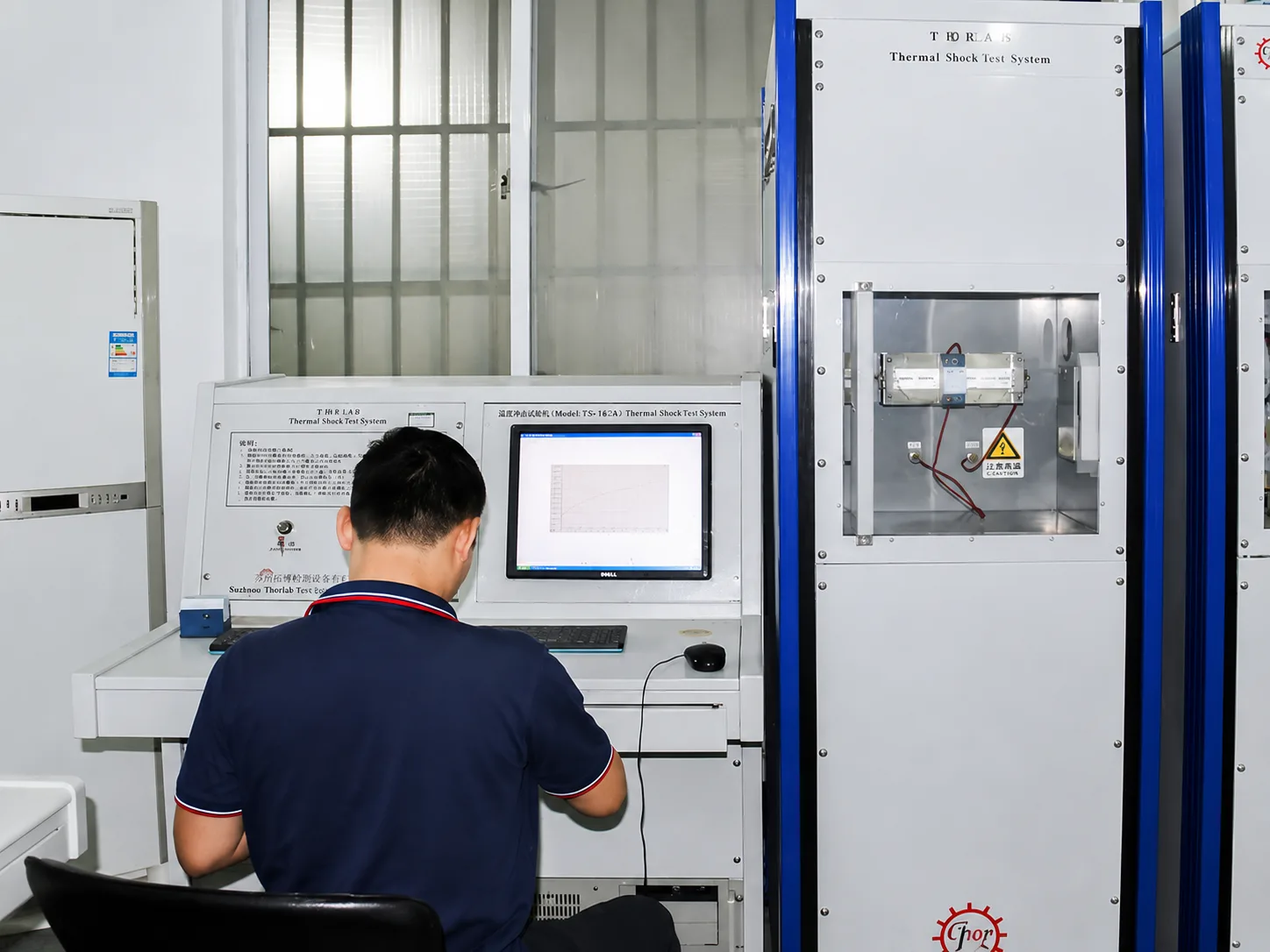
Thermal stability test used for LEEYEE surge protective devices

Thermal behaviour checks

Thermal behaviour and disconnection matter when MOVs age or experience sustained abnormal overvoltage.

Do not approve a certificate from the logo alone

Certification and test-document availability depends on the exact model, voltage, SPD Type, pole arrangement, suffix, manufacturer and branding configuration. Submit the proposed model for document confirmation.

Review Document Center

For distributors, panel builders and OEM brands

Confirm the electrical base model first, then align logo, label, packaging, remote-contact option and applicable documentation.

Model confirmationLogo & labelPackaging artworkRemote-contact optionBatch supplyDocument matching
FAQ

Questions buyers should settle before quotation

Short answers only—the page remains a transaction path rather than becoming another long technical article.

Qu'est-ce qu'un SPD CA ?

An AC SPD is a surge protective device for low-voltage AC power circuits. Selection depends on SPD Type, Uc, poles, network, installation point, surge-current duty and voltage protection level Up.

Should I choose Type 1, Type 1+2 or Type 2?

Use the installation duty first. Incoming points exposed to partial lightning current may require Type 1 duty or Type 1+2. Type 2 is commonly used in distribution boards and panels where induced and switching surges are the main duty.

Why does the B25 range appear under Type 1 duty?

The current B25 products are combined Type 1+2 devices. They provide the 10/350μs Iimp performance needed for Type 1 lightning-current duty while also stating Type 2 In/Imax performance.

How do I choose 1P, 2P, 3P, 3P+N or 4P?

Start from the actual conductors and earthing arrangement. TT, TN-S, TN-C and TN-C-S can require different protection paths, so confirm neutral and PE arrangement before choosing poles.

How do I choose 275V, 320V, 385V or 440V Uc?

Confirm the actual continuous voltage across the protected path, normal tolerance, temporary overvoltage conditions and the required Up. Nominal system voltage alone is not enough.

What should I send for model confirmation?

Send system voltage, single- or three-phase network, TT/TN arrangement, installation point, required SPD Type, pole preference if known, upstream fuse/MCB, estimated quantity and any document or OEM requirements.

AC SPD Requirement

Name, business email and requirement are required. Add the technical details you already know.

Current URL, referrer, UTM parameters and available Google click IDs are passed to the site quotation form when available.