
SPD 1500V CC per sistemi fotovoltaici
Un SPD 1500V DC protegge le stringhe PV ad alta tensione, i box di combinazione e gli ingressi in corrente continua degli inverter contro le sovratensioni transitorie. La corretta selezione dipende da Ucpv, esposizione ai fulmini, classe di protezione, corrente di scarica, livello di protezione dalla tensione e posizione di installazione—non solo dal contrassegno “1500V”.
Risposta diretta all'acquirente
Scegliere un SPD DC da 1500V quando l'array PV è progettato per operazioni DC ad alta tensione e la protezione da sovratensioni è richiesta nella scatola combinatrice PV, nel cabinet di distribuzione DC o nell'ingresso DC dell'inverter. Per i sistemi PV da 1500V, non utilizzare un SPD DC da 1000V o un SPD AC ordinario come sostituto. Il modello corretto deve corrispondere a Ucpv, Tipo/Classe, Iimp, ion, iomassimo, tup, posizione di installazione ed esposizione al fulmine del progetto.
Che cos'è un SPD DC da 1500V?
Un dispositivo di protezione da sovratensioni DC da 1500V è collegato in parallelo sul lato DC di un sistema fotovoltaico. Quando si verificano transitori indotti da fulmini o transitori di commutazione, limita la tensione che raggiunge l'attrezzatura protetta e fornisce un percorso controllato per la corrente di sovratensione. I punti di installazione tipici includono scatole combinatrici di stringhe PV, cabinet di distribuzione DC e ingressi DC degli inverter.
Proteggere inverter di alto valore
Ridurre lo stress transitorio che raggiunge l'elettronica di ingresso DC dell'inverter e l'attrezzatura di monitoraggio connessa.
Supportare l'architettura PV da 1500V
Corrispondere a stringhe ad alta tensione moderne utilizzate per ridurre la corrente, le perdite di cavo e i costi di bilanciamento del sistema.
Ridurre i tempi di inattività evitabili
Aiutare a ridurre il rischio di arresti legati a sovratensioni, lavori di sostituzione e manutenzione non pianificata in campo.
SPD DC da 1000V vs SPD DC da 1500V
Un sistema PV da 1500V richiede un SPD DC con un'adeguata valutazione Ucpv . Non dovrebbe essere utilizzato un SPD DC da 1000V come sostituto in un array fotovoltaico da 1500V.
| Elemento | SPD DC 1000V | SPD DC 1500V |
|---|---|---|
| Uso principale | Stringhe PV di classe 1000V e sistemi commerciali più piccoli | Sistemi PV commerciali e su scala di utilità di classe 1500V |
| Valutazione chiave | Ucpv adatto per l'effettivo array di classe 1000V | Ucpv adatto per l'effettivo array di classe 1500V |
| Posizione tipica | Scatola combinatrice FV, ingresso DC dell'inverter, armadio DC | scatola di combinazione PV, ingresso DC dell'inverter, distribuzione DC ad alta tensione |
| Rischio di selezione errata | Un SPD con una valutazione inferiore può essere sovraccaricato durante il normale funzionamento PV e non dovrebbe essere selezionato solo perché l'aspetto del prodotto o la valutazione in kA sembrano simili. | |
Nota di selezione: calcolare sempre la massima tensione in circuito aperto del PV alla temperatura più bassa prevista del modulo prima di confermare la valutazione SPD U.cpv classificazione.
Tipo 1+2 o Tipo 2: Quale SPD da 1500V DC è necessario?
La tensione del sistema non determina da sola la classe di protezione. Le zone di protezione dai fulmini, la protezione esterna dai fulmini, la posizione di installazione e le specifiche del progetto devono essere considerate.
SPD DC di Tipo 1+2
Per le posizioni in cui una corrente parziale da fulminazione può entrare nel sistema CC fotovoltaico, fornendo al contempo protezione dalle sovratensioni di Tipo 2.
- Impianti fotovoltaici su scala industriale e in campo aperto esposti
- Stringhe associate a un sistema esterno di protezione contro i fulmini
- Cassette di combinazione ai confini LPZ a maggiore esposizione
- Progetti che richiedono una capacità di corrente impulsiva di 10/350 μs
SPD DC di Tipo 2
Per posizioni di installazione in cui non è specificata una corrente di fulmine diretta o come protezione coordinata a valle.
- Ingressi CC dell'inverter e distribuzione CC a valle
- Sistemi fotovoltaici commerciali con una minore esposizione diretta ai fulmini
- Protezione secondaria coordinata con il dispositivo Tipo 1+2 a monte
- Progetti valutati principalmente con una forma d'onda di corrente di 8/20 μs
Sette valori nominali che determinano se un SPD in CC da 1500V è idoneo
Un modello tecnicamente corretto deve corrispondere alla tensione reale dell’array, al livello di tenuta delle apparecchiature, all’ambiente di sovratensione, alle condizioni di cortocircuito e alla topologia di messa a terra del FV.
| Valutazione | Significato | Verifica dell’acquirente |
|---|---|---|
| Ucpv | Tensione massima di funzionamento continuo per uno SPD fotovoltaico. | Confrontarla con la massima tensione a circuito aperto del FV calcolata alla temperatura minima prevista del modulo. |
| Tipo / Classe | Classificazione Tipo 1+2 o Tipo 2. | Abbinarlo all'esposizione ai fulmini, alla posizione LPZ, alla protezione esterna contro i fulmini e alle specifiche del progetto. |
| Iimp | Corrente di scarica impulsiva usando la forma d'onda 10/350 μs. | Richiesto quando è specificato l'impiego di Tipo 1 per la corrente di fulmine. |
| In / Imassimo | Corrente nominale e massima di scarica usando la forma d'onda 8/20 μs. | Valutare la sollecitazione da sovratensioni ripetute e la massima capacità di scarica di Tipo 2. |
| Up | Livello di protezione della tensione misurato durante la scarica. | Coordinarlo con il livello di tenuta agli impulsi dell'inverter e delle altre apparecchiature protette. |
| Iscpv / SCCR | Tenuta al cortocircuito del PV o valore nominale della corrente di cortocircuito. | Assicurarsi che l’SPD e il relativo dispositivo di sezionamento siano adatti alla corrente di guasto disponibile. |
| Modalità di protezione | Collegamento interno tra DC+, DC− e PE. | Verificare la compatibilità con la topologia del sistema fotovoltaico e la configurazione di messa a terra. |
Non selezionare un SPD fotovoltaico basandosi esclusivamente su Imax. Ucpv, Up, classe di protezione, idoneità alla corrente di guasto e topologia del sistema sono altrettanto importanti.
Dove viene installato un SPD CC da 1500 V?
L’SPD dovrebbe essere posizionato come parte di un percorso di protezione coordinato, vicino alla sezione del circuito o all’apparecchiatura che protegge.
Priorità di installazione
- Mantenere i conduttori di collegamento dell'SPD corti, diretti e privi di loop non necessari.
- Installare vicino all'apparecchiatura o alla sezione del circuito da proteggere.
- Coordinare la protezione DC con gli SPD del lato AC e delle linee di comunicazione.
- Utilizzare la sezione del conduttore, la coppia di serraggio e la protezione di backup specificate.
- Aggiungere una protezione coordinata quando la distanza del cavo o l'esposizione lo richiedono.
Errori comuni
- Installazione di un SPD da 1000V in un impianto fotovoltaico da 1500V.
- Selezione basata solo su Imax ignorando Ucpv o Up.
- Utilizzo di lunghi conduttori di terra che aumentano il livello di protezione installato.
- Utilizzo di un comune SPD AC come sostituto di un SPD DC fotovoltaico.
- Proteggere il percorso DC lasciando esposti i percorsi AC e del segnale.
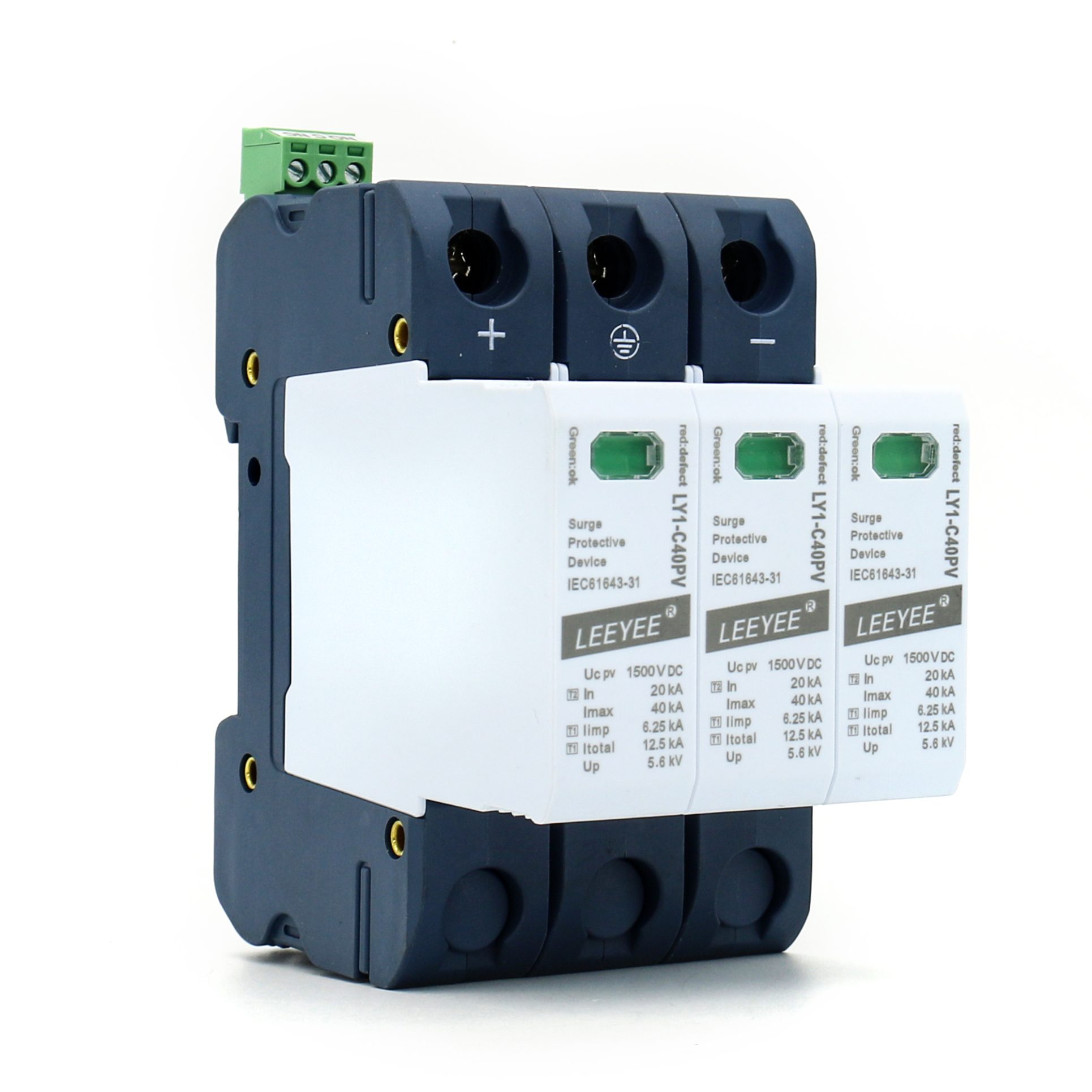
SPD DC 1500V di Tipo 1+2 per protezione di quadri di parallelo fotovoltaici e inverter
Un dispositivo di protezione da sovratensioni fotovoltaico con cartuccia sostituibile per array solari ad alta tensione, scatole di parallelo stringhe, quadri di distribuzione DC e ingressi DC di inverter.
Cosa possono verificare gli acquirenti in questa pagina
Una pagina di categoria prodotto credibile dovrebbe collegare le dichiarazioni a un modello, un file di parametri, uno standard e un'applicazione reale, senza affidarsi a un linguaggio generico di "alta qualità".
Modello nominato
LY1-C40PV/3(S) è collegato a una pagina tecnica dedicata al prodotto invece di apparire come un'immagine di categoria anonima.
Valutazioni leggibili
Ucpv, classe di protezione, Iimp, In, Imax, Up, modalità di protezione e montaggio sono presentati come valori di attributi di entità.
File scaricabili
I link alla scheda dei parametri, al manuale utente e alla pagina del certificato sono direttamente disponibili per la revisione dell'acquirente.
Cancella posizione di sistema
Il modello è collegato ad array fotovoltaici, quadri di parallelo (combiner box), distribuzione DC e protezione ingresso inverter.
Dai dati di progetto alla selezione confermata di SPD da 1500V
Questa pagina di categoria aiuta gli acquirenti a restringere i requisiti; la conferma finale deve basarsi sui dati effettivi del progetto.
Invia tensione di sistema
Tensione massima a circuito aperto dell'array e temperatura minima del sito.
Definisci posizione
Quadro di parallelo, quadro di distribuzione DC o ingresso inverter.
Conferma esposizione
Protezione esterna contro i fulmini, confine LPZ e tipo richiesto.
Verifica modello
Valori nominali, topologia, contatto remoto, documentazione e quantità.
1500V DC SPD FAQ
A cosa serve un SPD DC da 1500V?
Viene utilizzato sul lato DC di sistemi fotovoltaici ad alta tensione per limitare le sovratensioni transitorie e deviare la corrente di scarica. Le posizioni tipiche includono quadri di parallelo (string combiner boxes), quadri di distribuzione DC e ingressi DC degli inverter.
È possibile utilizzare un SPD DC da 1000V in un sistema PV da 1500V?
No. La tensione massima di funzionamento continuo dell'SPD deve essere adatta alla massima tensione dell'array effettiva. Un SPD con un valore nominale inferiore potrebbe essere sovraccaricato durante il normale funzionamento.
"1500V" è la tensione nominale del sistema o la Ucpv?
Le marcature dei prodotti e le schede informative devono essere controllate con attenzione. Per la selezione delle SPD PV, Ucpv è la valutazione della tensione operativa continua importante e dovrebbe essere confrontato con la massima tensione a circuito aperto calcolata dell'array.
Quando è richiesto un SPD DC 1500V di Tipo 1+2?
Il tipo 1+2 viene solitamente selezionato laddove componenti di corrente da fulmine possono entrare nel sistema DC, in presenza di un sistema di protezione esterno contro i fulmini, o dove il progetto richiede una capacità di corrente impulsiva 10/350 μs.
Dove dovrebbe essere installato un SPD a 1500V DC?
Le posizioni comuni sono all'interno della scatola di combinazione PV e vicino all'ingresso DC dell'inverter. La posizione finale dipende dalla lunghezza dei cavi, dalle zone di protezione contro i fulmini, dal sistema di messa a terra e dal livello di resistenza dell'apparecchiatura.
Può essere utilizzato un SPD AC sul lato DC di un sistema fotovoltaico?
Nessuna applicazione PV DC richiede SPD a corrente continua selezionati per la tensione fotovoltaica, il comportamento dell'arco DC, l'arrangiamento di disconnessione e la corretta classificazione Ucpv. Un SPD AC ordinario non dovrebbe essere utilizzato come sostituto di un SPD PV DC da 1500V.
Perché i conduttori di collegamento SPD devono essere corti?
Una rapida corrente di picco che scorre attraverso conduttori lunghi o ad anello crea una tensione induttiva aggiuntiva. Collegamenti brevi e diretti aiutano a mantenere il livello di protezione installato più vicino alle prestazioni del SPD testato.
LEEYE supporta ordini OEM di SPD 1500V DC?
Sì. La fornitura OEM e di progetto può includere branding, etichette, imballaggio e documentazione specifica per l'ordine, soggetta a conferma tecnica e requisiti dell'ordine.
Hai bisogno di una configurazione confermata per SPD DC da 1500V?
Invia i dettagli elettrici e di installazione qui sotto. LEEYEE può verificare se il modello di tipo 1+2 disponibile è adatto al tuo progetto o se è richiesta una configurazione diversa.
- Tensione massima a circuito aperto del fotovoltaico
- Temperatura minima prevista del sito
- Installazione in quadro di parallelo o inverter
- Sistema di protezione esterno contro i fulmini
- Tipo richiesto, contatto remoto e quantità