Across the United States, surge electric incidents remain a leading cause of industrial equipment failure. From wind farms in Texas to subway signaling systems in New York, RS232 communication lines are often the hidden weak points in automation networks. NOAA reports that states like Florida, Louisiana, and Mississippi experience some of the world’s highest lightning strike frequencies—making protective measures non-negotiable.
Why RS232 Interfaces Fail Without Protection
RS232 serial ports operate at low voltages (typically ±12V), making them highly sensitive to transient overvoltage. In the US, surges can originate from:
-
Lightning-induced electromagnetic pulses
-
Utility grid switching operations
-
Faulty grounding in multi-building facilities
-
Generator back-feeding after outages
According to IEEE Std C62.41, transient surges as low as 500V can destroy RS232 transceivers—far below the voltage produced by even distant lightning strikes.
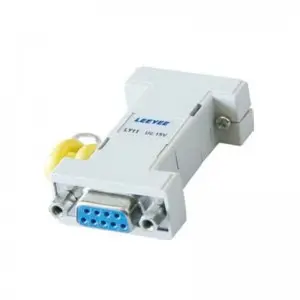
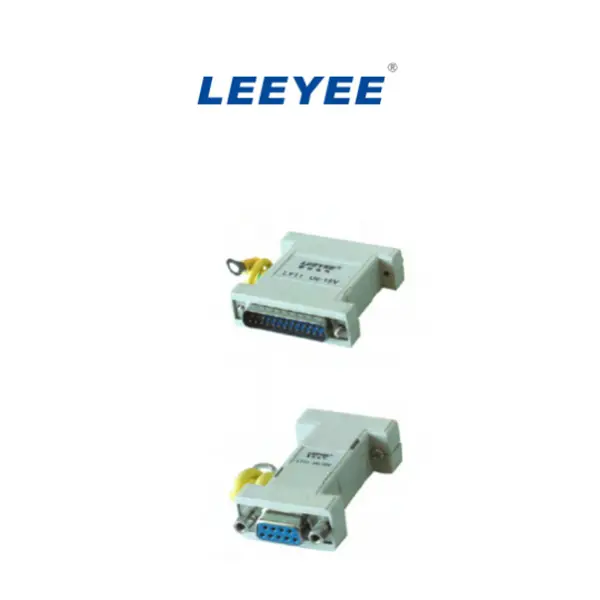
LEEYEE RS232 Surge Protector for US Applications
For US-based systems, the LEEYEE RS232 surge protector provides:
-
Imax 20kA capacity for extreme Midwest storms
-
<1ns response time for rapid transient suppression
-
<15V clamping voltage to protect ±12V signals
-
UL 497A, IEC 61643, ITU-T K.20/K.21 compliance for industrial acceptance
Industry Applications in the US
-
Energy – SCADA link protection in Texas wind farms
-
Manufacturing – PLC communication safety in Midwest automotive plants
-
Public Transit – Metro rail control systems in large metropolitan areas
-
Oil & Gas – Offshore platform control links in the Gulf of Mexico
US Installation Guidelines
-
Install protectors at both ends of inter-building RS232 links
-
Maintain ground resistance <5 ohms per NEC recommendations
-
Use shielded twisted pair cables for additional surge suppression
Conclusion
For US facilities, integrating an RS232 surge protector is a cost-effective way to eliminate surge electric risks and maintain operational uptime.
FAQs: RS232 Surge Protector in the US
Q1: Does US code require surge protection for RS232 lines?
While NEC focuses on power lines, industrial best practice strongly recommends it.
Q2: Can this device protect against EMP from nearby lightning?
Yes—when properly grounded, it can suppress induced transients effectively.