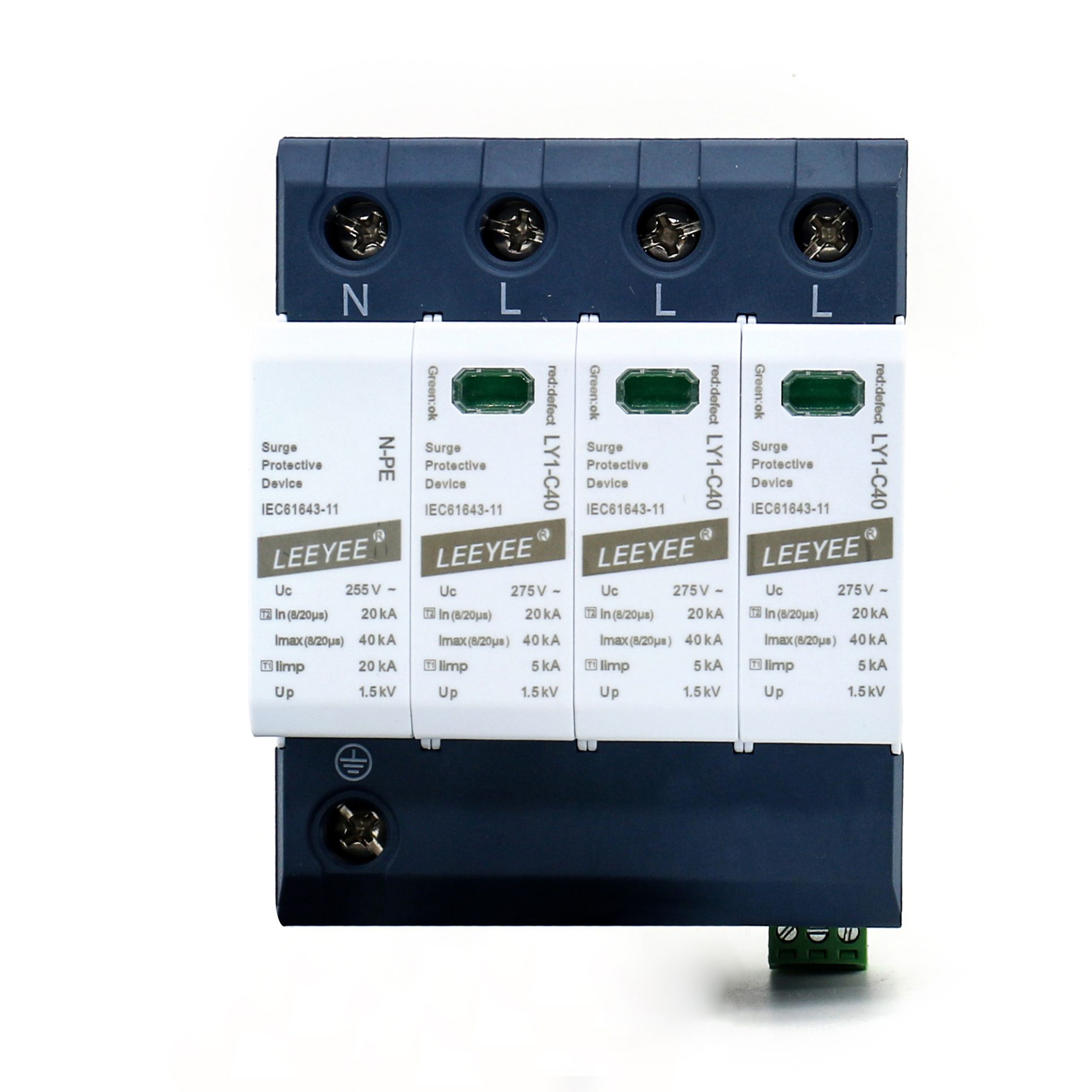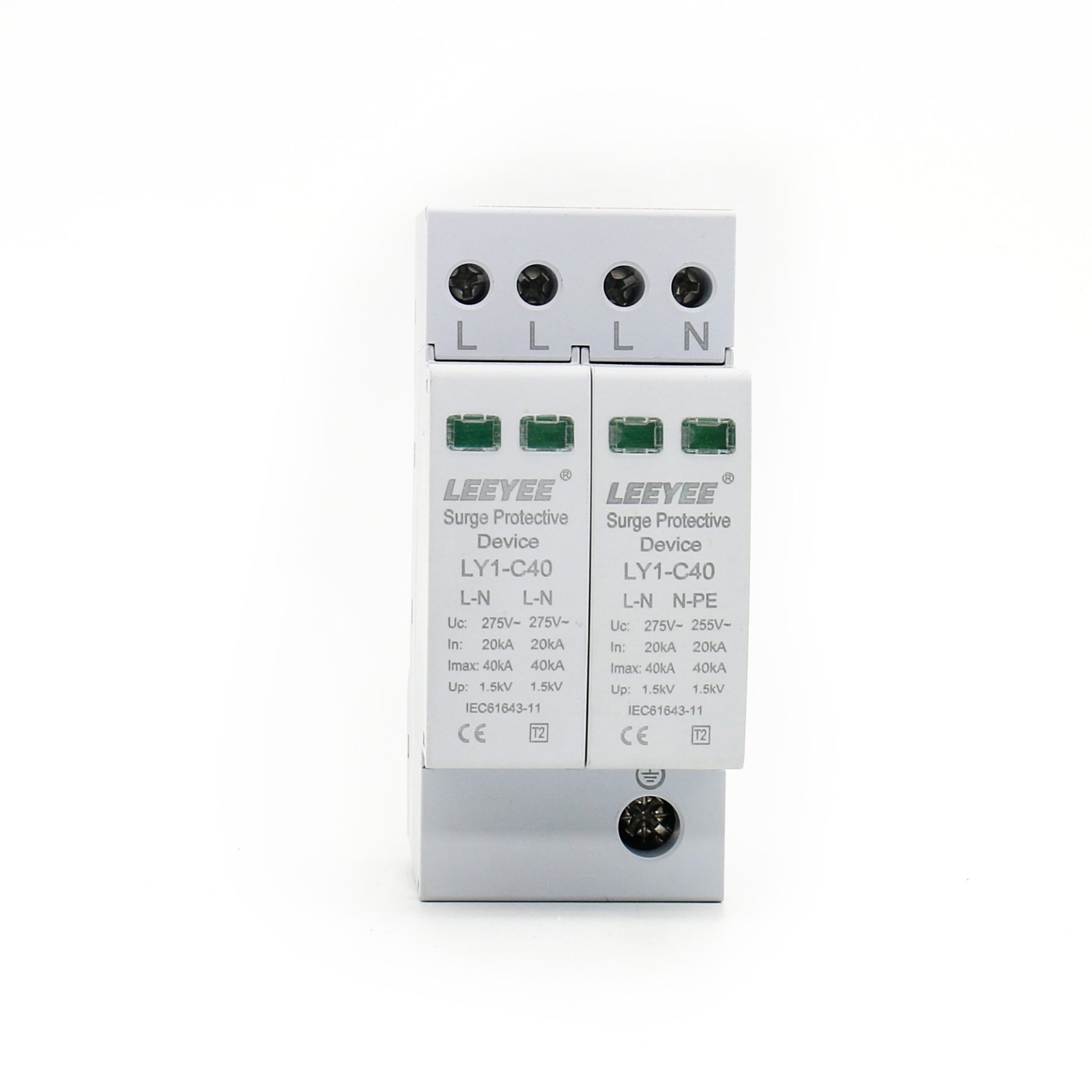
SPD full form in electrical is Surge Protective Device. This article explains what the abbreviation SPD means, where the term is used, and how it is different from common protection devices such as circuit breakers, fuses and lightning rods.
Table of Contents
Find the Information You Need
What Is the Full Form of SPD in Electrical?
The full form of SPD in electrical is Surge Protective Device.
In an electrical installation, an SPD is used to reduce the effect of short-duration voltage spikes. These spikes are often called surges, transient overvoltages or voltage transients.
The term SPD is commonly used in power distribution, solar PV systems, industrial control panels, telecom systems and building electrical protection.
SPD Meaning in Electrical Terms
The abbreviation SPD may look simple, but each word explains part of the device function.
| Term | Meaning | Simple explanation |
|---|---|---|
| Surge | A short-duration voltage or current spike | A sudden electrical rise caused by lightning effects, switching events or network disturbance. |
| Protective | Designed to reduce damage risk | The SPD helps limit the voltage that reaches protected equipment. |
| Device | An installed electrical component | The SPD is installed in a panel, cabinet, PV system, signal line or near equipment. |
What Does SPD Mean in an Electrical System?
In practical electrical use, SPD means a protection device that responds when surge voltage becomes too high. Under normal voltage, the SPD remains in a non-conducting or high-resistance state. During a surge, it conducts surge current and helps reduce the voltage stress on downstream equipment.
This is why SPDs are often installed in distribution boards, solar PV combiner boxes, inverter systems, telecom cabinets, machine panels and control systems.
For a fuller explanation of SPD working principles, see What Is a Surge Protective Device? .
What Does an SPD Do?
An SPD mainly performs two jobs: it limits transient voltage and diverts surge current through a defined protection path.
In simple terms, an SPD helps to:
- Reduce the voltage spike seen by protected equipment;
- Provide a path for surge current to flow away from the load;
- Lower the risk of insulation stress and electronic damage;
- Improve reliability in systems exposed to lightning or switching surges.
Where Is SPD Used?
SPDs are used where electrical or electronic equipment may be damaged by transient overvoltage.
Common applications include:
- Main distribution boards;
- Sub-distribution boards;
- Industrial control cabinets;
- Solar PV combiner boxes and inverter sides;
- Telecom and signal lines;
- Data centers and server rooms;
- Building electrical panels;
- Machine and automation systems.
SPD vs Circuit Breaker, Fuse and Lightning Rod
SPD is often confused with circuit breakers, fuses and lightning rods. They are all protective devices, but they protect against different risks.
| Device | What it protects against | What it does not do |
|---|---|---|
| SPD | Transient overvoltage and surge current | It does not normally interrupt overload or short-circuit current. |
| Circuit breaker | Overload and short-circuit current | It does not provide dedicated surge-voltage limitation. |
| Fuse | Overcurrent and fault current | It does not clamp transient overvoltage like an SPD. |
| Lightning rod | Direct lightning strike path outside the building | It does not replace internal surge protection for electrical circuits. |
A complete protection system may include external lightning protection, earthing and bonding, overcurrent protection and correctly selected SPDs.
Common SPD Types
SPD types are often used to describe where the device is installed and what surge duty it is designed to handle. This article only gives a short overview because detailed type comparison is a separate topic.
| SPD type | Simple meaning | Where it is usually used |
|---|---|---|
| Type 1 SPD | Lightning-current protection stage. | Usually installed near the origin of the electrical installation or main incoming board. |
| Type 2 SPD | Distribution-level surge protection stage. | Usually installed in main distribution boards, sub-distribution boards or equipment panels. |
| Type 3 SPD | Final protection stage for sensitive equipment. | Usually installed close to terminal equipment, control devices or electronic loads. |
Common SPD Terms You May See
When reading an SPD product page or datasheet, you may see the following terms. They are not the main topic of this full-form article, but they help you understand basic SPD specifications.
For model selection, these values should be checked together with system voltage, earthing arrangement, installation position and short-circuit conditions.
SPD Full Form FAQ
What is the full form of SPD in electrical?
SPD stands for Surge Protective Device. It is used to limit transient overvoltage and divert surge current away from protected equipment.
What does SPD mean in electrical?
SPD means a surge protective device installed in an electrical system to reduce the effect of voltage spikes caused by lightning effects, switching events or other transient overvoltage.
What is SPD used for?
An SPD is used to protect electrical and electronic equipment from surge voltage. It is commonly used in distribution boards, solar PV systems, telecom cabinets and control panels.
Is SPD the same as a circuit breaker?
No. A circuit breaker protects against overload and short-circuit current. An SPD limits transient overvoltage and diverts surge current.
Is SPD the same as a lightning rod?
No. A lightning rod provides an external path for direct lightning strikes. An SPD protects electrical circuits from surge voltage inside the installation.
Can an SPD stop all lightning damage?
No. An SPD reduces surge risk but cannot guarantee protection against every lightning event. Proper earthing, bonding, installation and coordination are still necessary.
What SPD type do I need?
The required SPD type depends on the installation position and surge duty. For the detailed difference, read the Type 1 vs Type 2 vs Type 3 SPD guide.
Can LEEYEE help select an SPD model?
Yes. Provide the AC or DC application, system voltage, earthing arrangement, installation position, required poles, current ratings and project quantity.
Related Surge Protection Guides
Need Help Selecting an SPD?
Send the AC or DC application, system voltage, earthing arrangement, installation position, required poles, current ratings and project quantity. LEEYEE will help identify a suitable surge protection option.