01
Confermare la tensione massima DC
Partita Ucpv o Uc alla tensione DC massima effettiva. Per i sistemi fotovoltaici, includere la tensione a circuito aperto massima della stringa e gli effetti della temperatura.
Cercate un protezione contro le sovratensioni DC o un fornitore di SPD DC? LEEYEE fornisce dispositivi di protezione contro le sovratensioni da 600V, 1000V e 1500V per impianti fotovoltaici solari, specifici sistemi industriali DC, distributori, costruttori di quadri e progetti OEM. Confermate la tensione massima, il tipo di SPD, i poli e la posizione di installazione prima del preventivo.
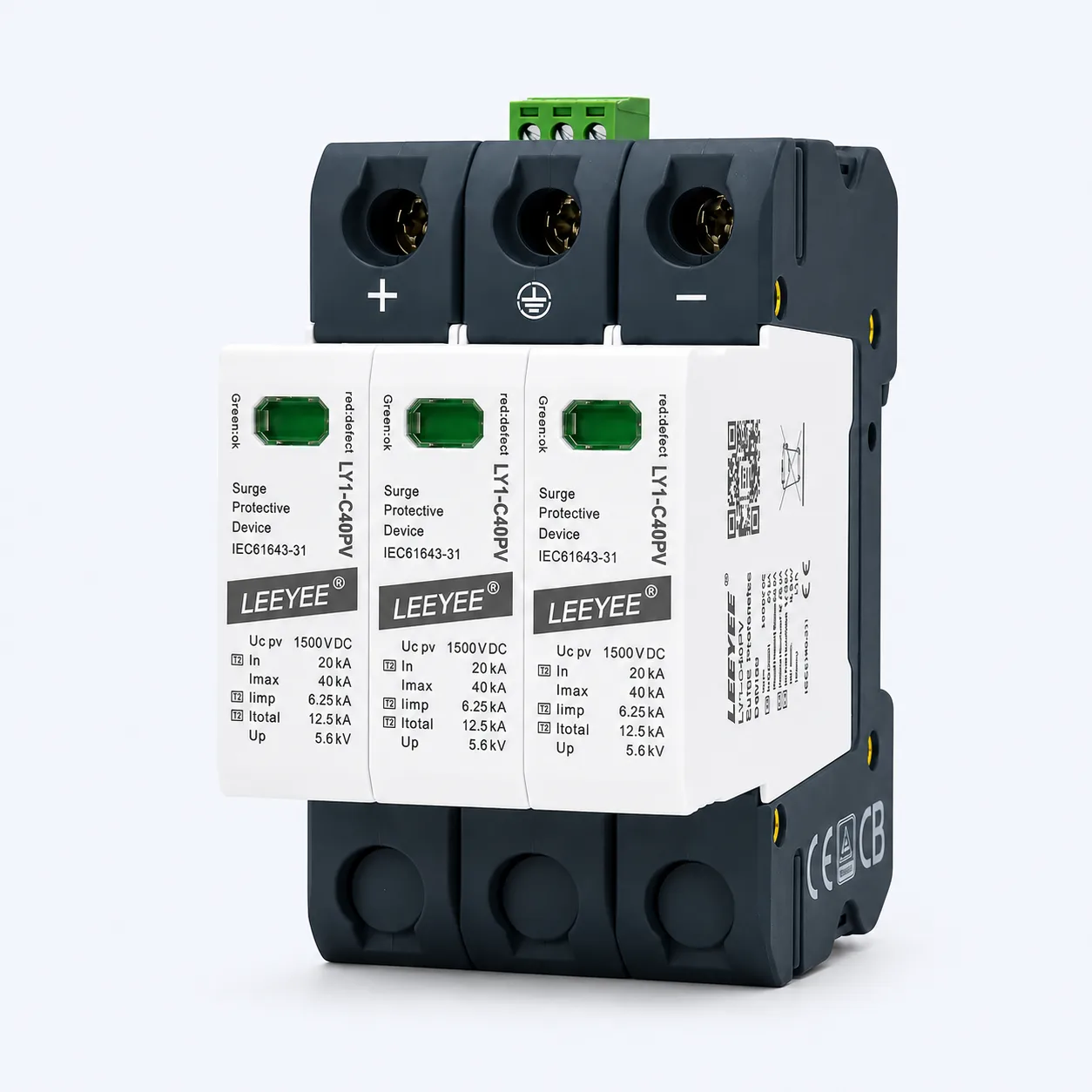
Un dispositivo di protezione contro le sovratensioni DC non deve essere selezionato solo in base al nome del sistema. Confermare prima la condizione massima in DC, il livello di protezione contro le sovratensioni e la configurazione del cablaggio.
Partita Ucpv o Uc alla tensione DC massima effettiva. Per i sistemi fotovoltaici, includere la tensione a circuito aperto massima della stringa e gli effetti della temperatura.
Il Tipo 2 supporta la protezione transitoria a valle. Il Tipo 1+2 si considera quando è richiesta la capacità di corrente da fulmine o un coordinamento più robusto.
Il numero di poli deve corrispondere allo schema di cablaggio, alla configurazione di messa a terra e ai percorsi di protezione richiesti, non solo alla larghezza dell'involucro.
Utilizzare questa tabella come orientamento iniziale del prodotto. La selezione finale deve essere verificata in base alla tensione massima, alla modalità di cablaggio, alla posizione di installazione, alla protezione di backup e ai requisiti documentali.
Confronta modelli rappresentativi da 600V, 1000V e 1500V. Richiedi conferma quando hai bisogno di un preventivo, di una scheda tecnica, della revisione di un documento o di informazioni OEM.
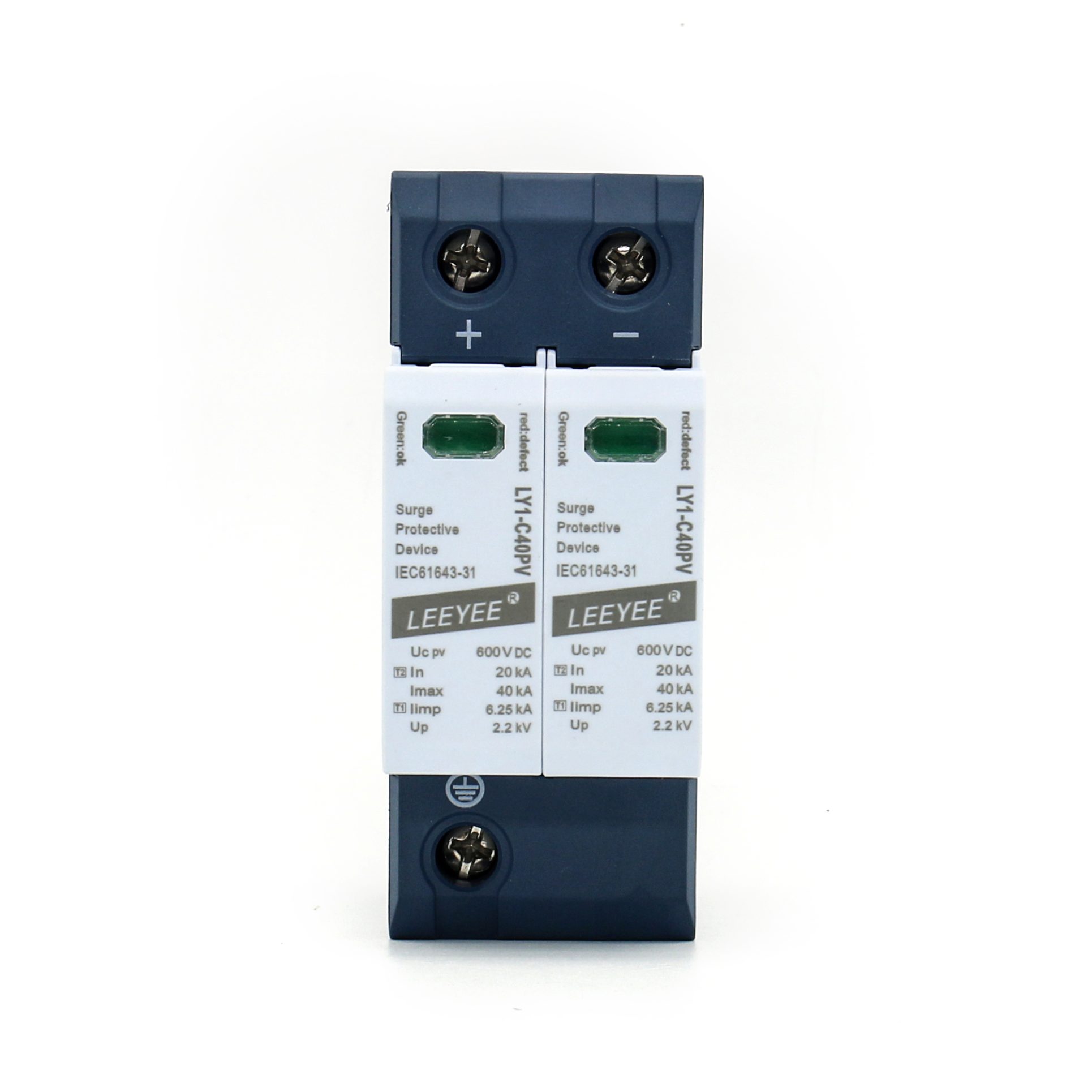
Two-pole pluggable Type 2 DC SPD for compatible PV and selected industrial DC circuits.
Up ≤ 2.2kV. Confirm wiring, backup protection and document scope.
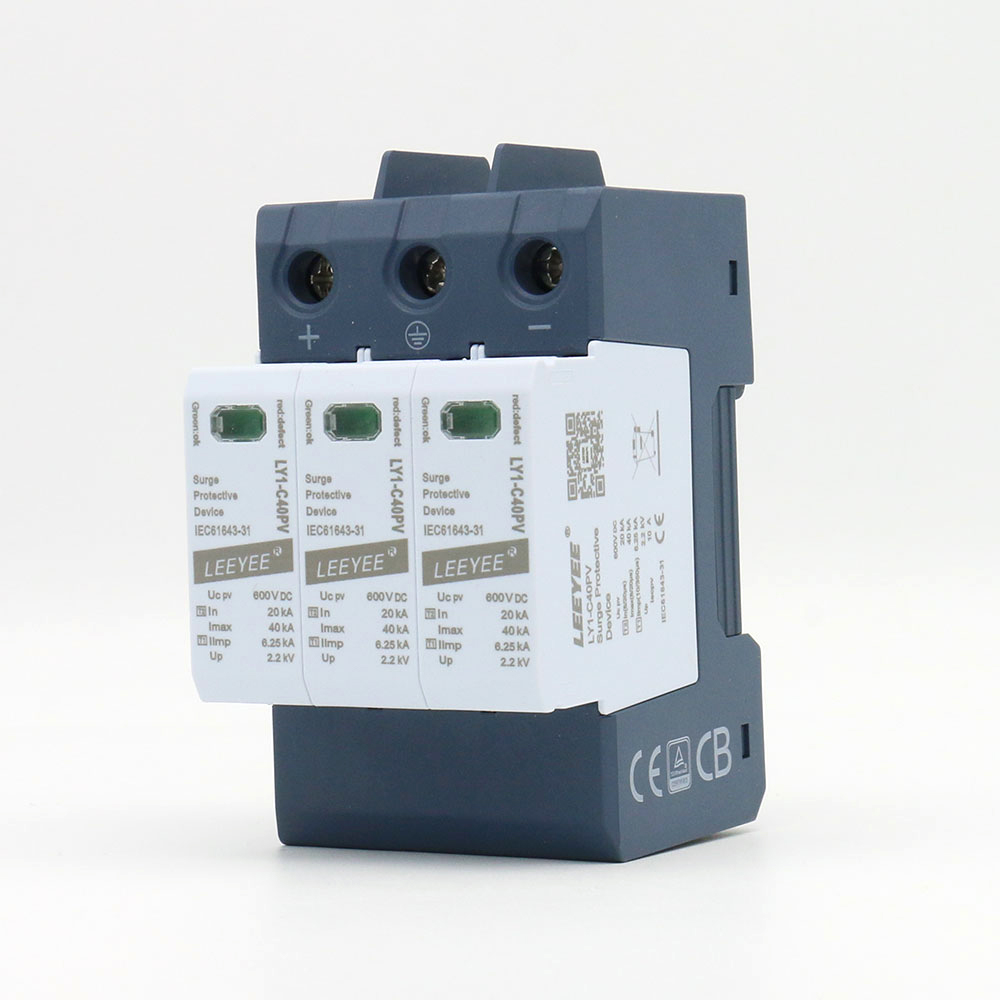
Three-pole pluggable Type 2 DC SPD for systems requiring a matching multi-line protection arrangement.
Up ≤ 2.2kV. Optional remote contact; confirm actual system wiring.
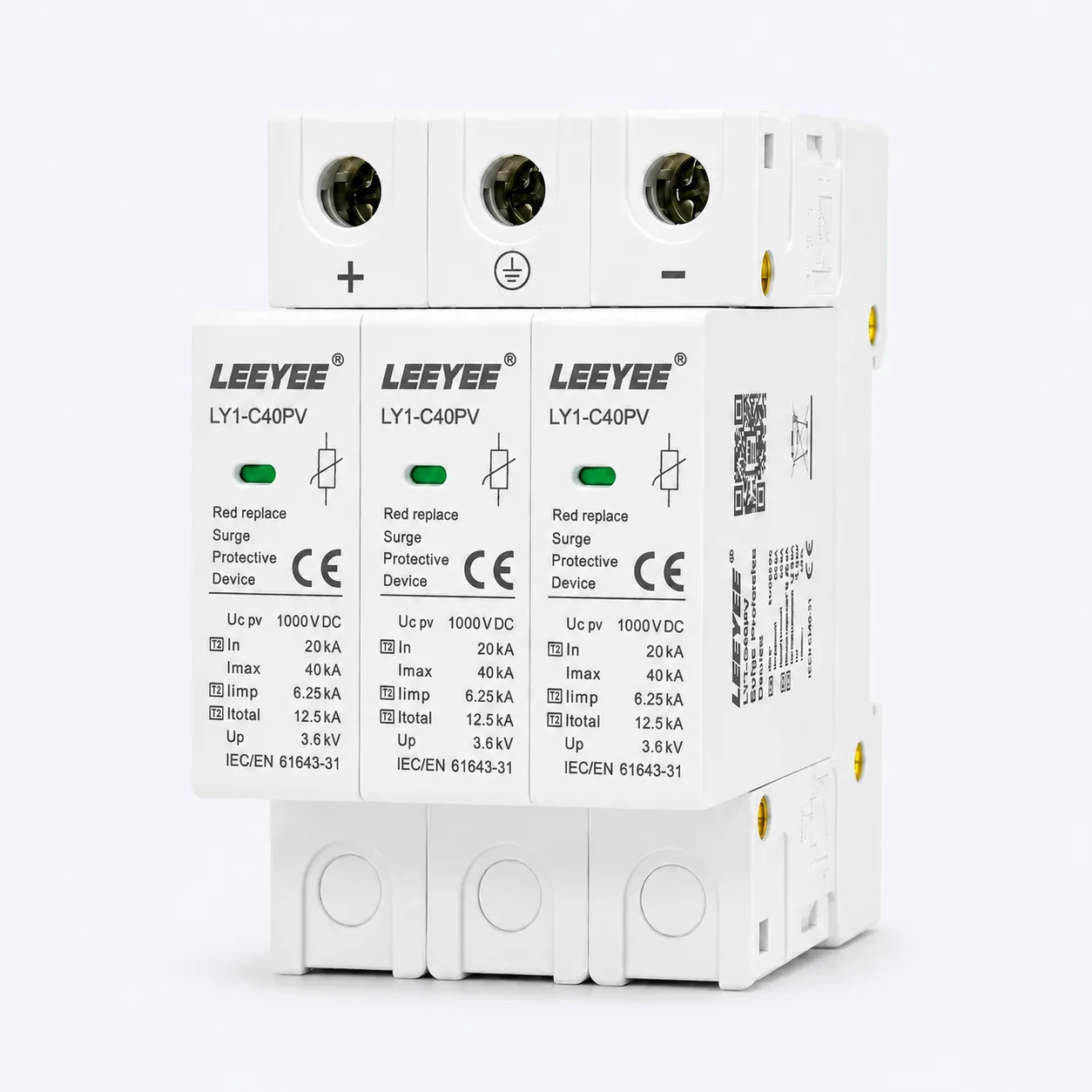
Two-pole pluggable Type 1+2 DC SPD for PV strings, combiner boxes and inverter DC inputs.
Iimp 6.25kA; Up 3.6kV. Confirm the latest datasheet and document scope.
Three-pole pluggable Type 1+2 DC SPD for high-voltage PV systems and inverter DC inputs.
Iimp 6.25kA; Up 5.6kV. Confirm D4 wiring and project documents.
Model note: This matrix shows representative configurations. Confirm the latest datasheet, wiring diagram, certificate scope, backup protection and remote-contact option before quotation or project approval.
DC systems have different voltage behaviour, fault conditions and protection paths. The SPD must be designed and selected for the actual DC circuit.
PV open-circuit voltage changes with string design and temperature. Provide the maximum project value.
A 2P or 3P enclosure does not indicate Type 2 or Type 1+2 performance.
Internal thermal disconnection does not automatically replace external backup protection.
Voltage, poles, model suffix and branding can affect document applicability.
Equipment images support the manufacturing and verification process. Final performance and document scope must still be checked against the exact model.
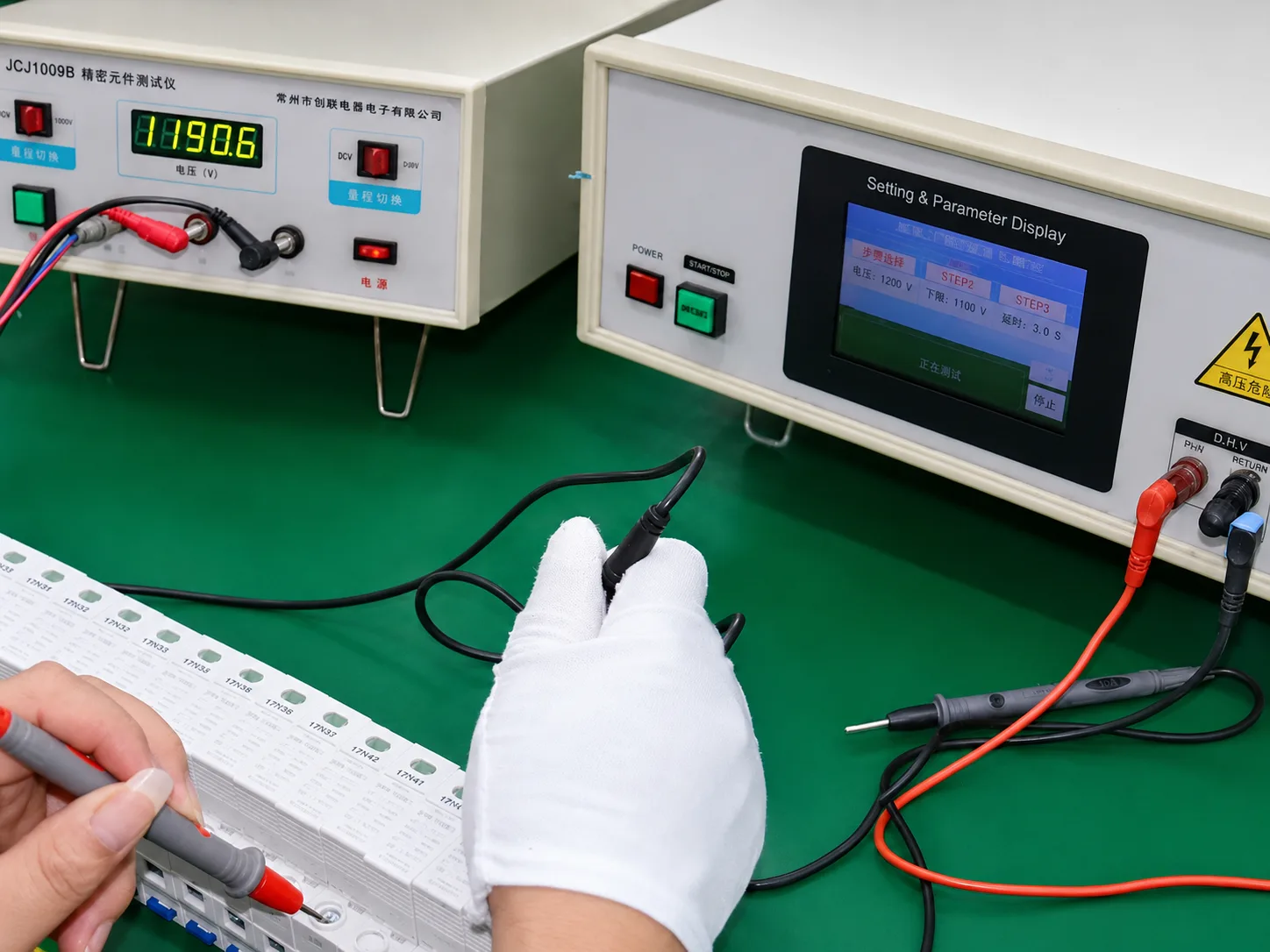
Component-level checks support verification of key protection elements before final assembly.
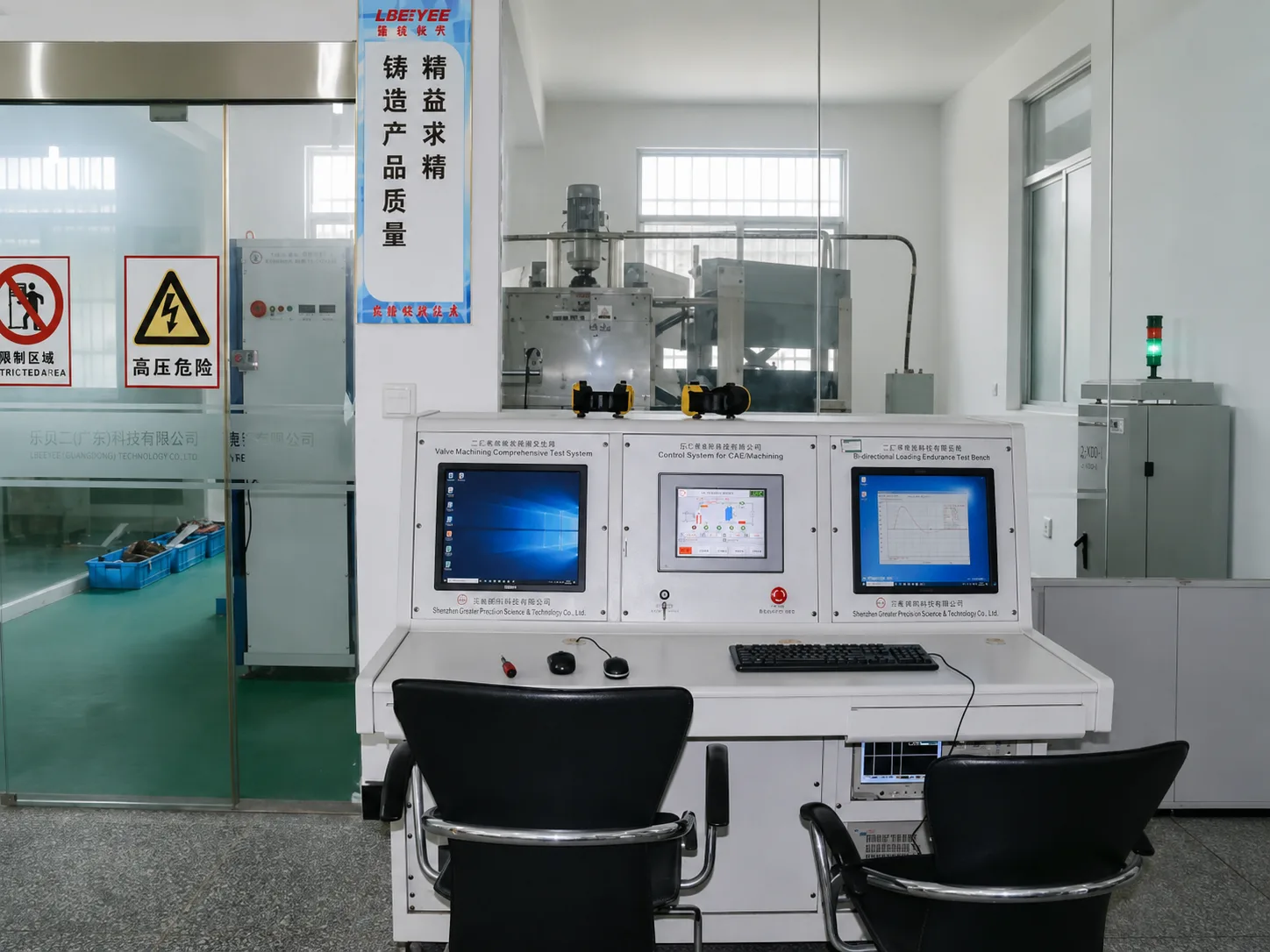
Surge testing supports verification of discharge-current and protection-performance declarations.
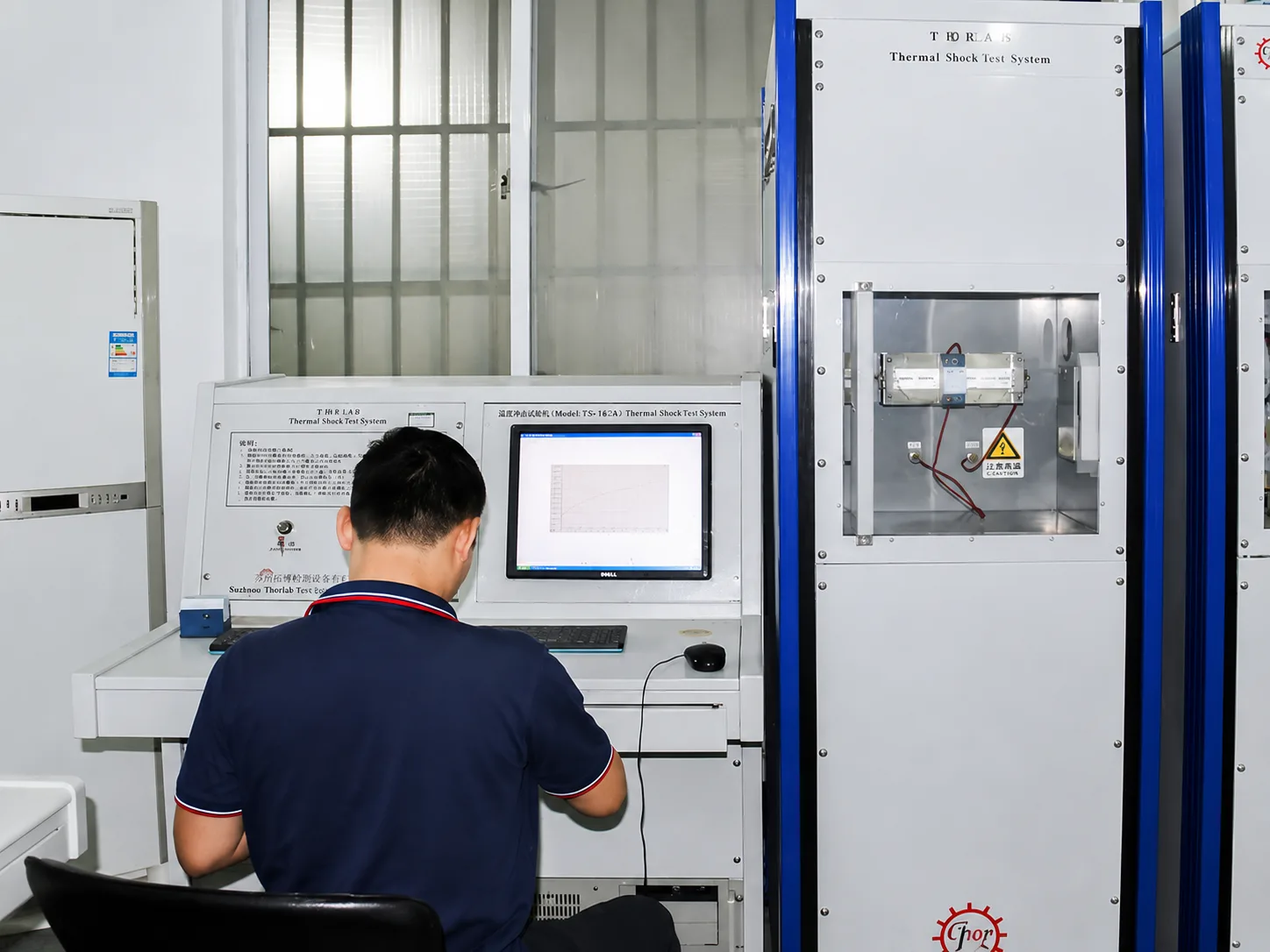
Thermal evaluation supports assessment of ageing, abnormal-voltage stress and disconnection behaviour.
A B2B DC SPD order normally requires more than a product photo and price. LEEYEE can review the model, documents, branding and supply requirements together.
Request information needed for technical review, supplier approval or product-line evaluation.
Confirm product configuration and documents before finalising private-label artwork or a distributor range.
A DC SPD is designed for direct-current circuits, their continuous voltage conditions and required protection paths. A normal AC SPD should not be used as a substitute unless its documentation specifically confirms suitability.
Confirm the maximum PV string open-circuit voltage under project temperature conditions and ensure the selected SPD rating is appropriate for that value and wiring arrangement.
The choice depends on protection mode, grounding arrangement and the supplied wiring diagram. Pole count should not be selected only from the number of visible modules.
No. Select the correct voltage rating and verify protection mode, Up, pole configuration and document scope.
Send maximum DC voltage, application, installation position, required SPD type, pole configuration, grounding arrangement, backup protection, remote-contact need, quantity and required documents.
Send the basic project details directly from this page. LEEYEE can review the maximum DC voltage, application, SPD type, pole configuration and model-specific document availability for solar PV, panel-building, OEM and project orders.
CNSPD.com è la piattaforma di LEEYEE per la protezione contro le sovratensioni destinata ad acquirenti globali. LEEYEE è il marchio e fornitore del prodotto.
Invia subito i dettagli essenziali del progetto. Li utilizzeremo per confermare il modello più adatto, definire l'ambito della documentazione e i requisiti del preventivo.