Índice
Protector contra sobretensiones Ethernet: El libro blanco definitivo para la infraestructura de red global
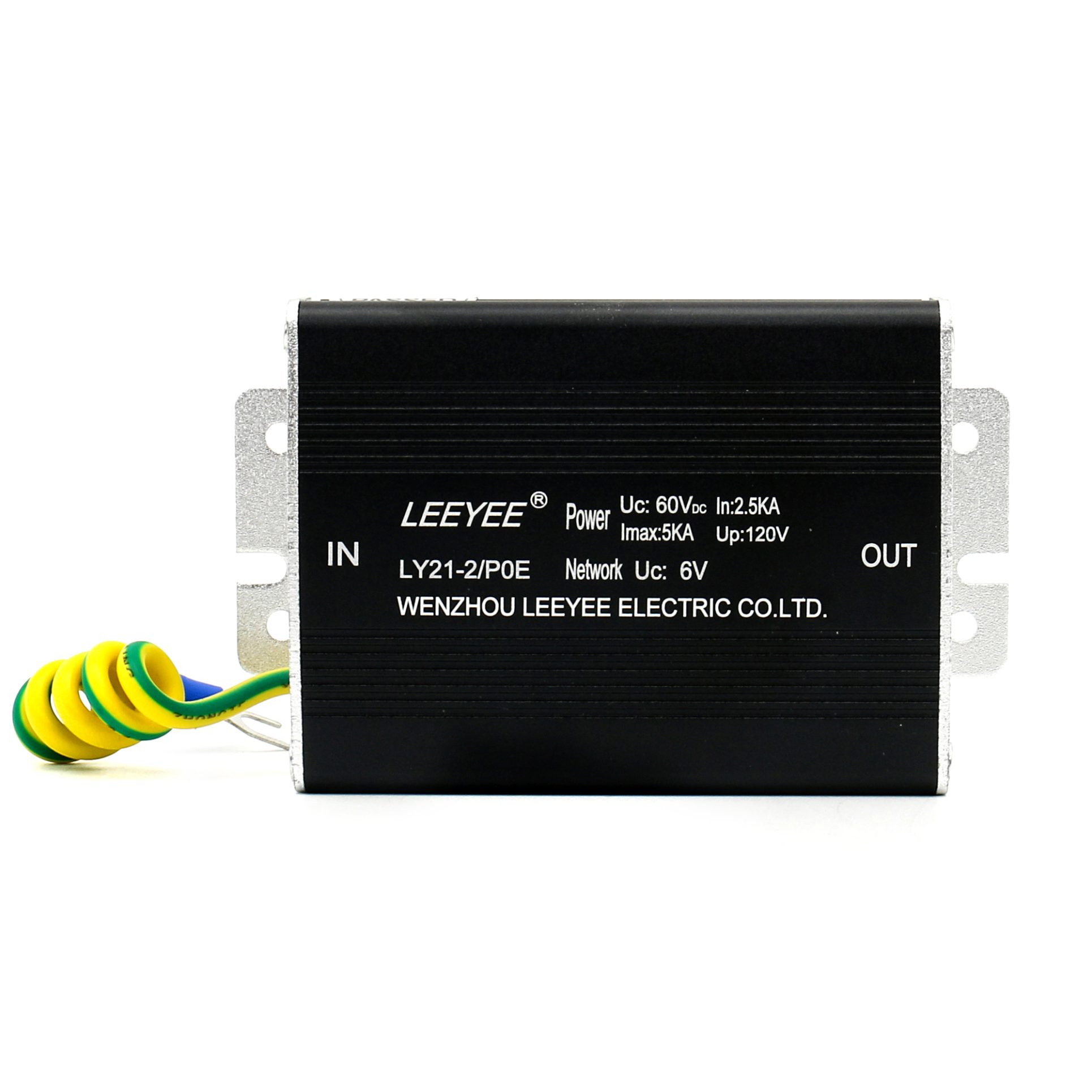
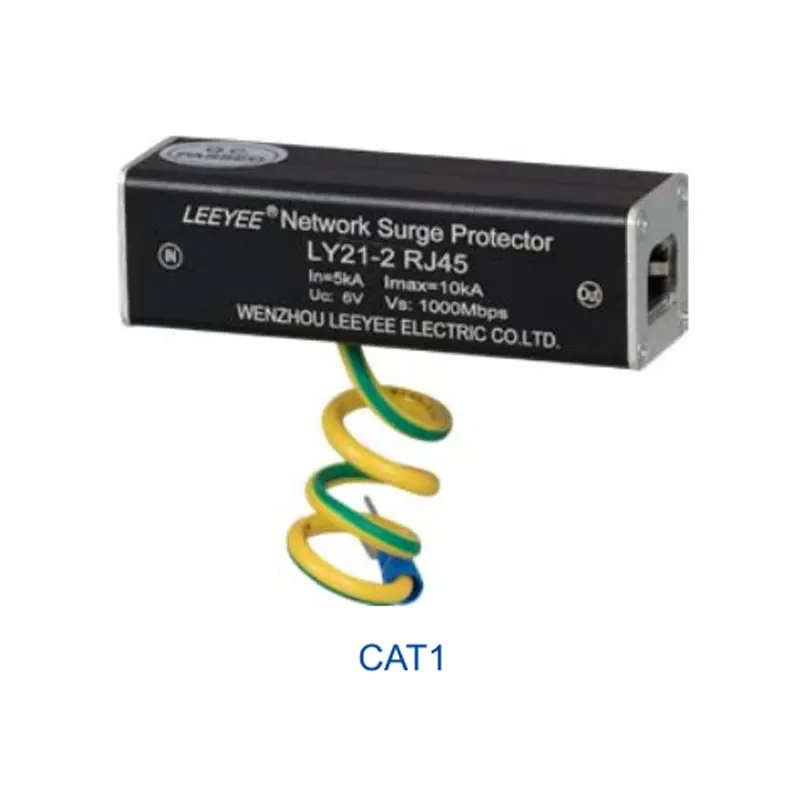
En el entorno hiperconectado actual, la Protector contra sobretensiones Ethernet (también conocido como Supresor de sobretensiones RJ45) desempeña un papel fundamental en el mantenimiento de la resistencia de la red.
A medida que las empresas migran a la alta velocidad Ethernet de 10 Gbps y de alta potencia PoE++ (IEEE 802.3bt) las interfaces de red son cada vez más vulnerables a las sobretensiones transitorias provocadas por rayos, operaciones de conmutación y diferencias de potencial de tierra.
Para los distribuidores profesionales y los gestores de infraestructuras, la protección contra sobretensiones de Ethernet no es opcional: es una salvaguarda para la infraestructura digital crítica.
Desde 2009, LEEYEE Electricidad ha apoyado a distribuidores de todo el mundo con tecnologías de protección contra sobretensiones fabricadas en nuestra 8.000 m² de instalaciones con 8 líneas de producción avanzadas. En este documento técnico se describen los principios técnicos, las estrategias de aplicación y las consideraciones de aprovisionamiento de los protectores de sobretensión Ethernet en las redes modernas.
Parte I: Fundamentos técnicos - Entender las sobretensiones de Ethernet
Sobretensiones en modo diferencial frente a modo común
Las redes Ethernet se enfrentan a dos tipos principales de sobretensiones:
Sobretensiones en modo diferencial
-
Se producen entre los conductores de un par trenzado
-
A menudo causado por transitorios de conmutación o acoplamiento electromagnético.
-
Afectan directamente a la integridad de la señal
Sobretensiones en modo común
-
Se produce entre los conductores de señal y tierra
-
A menudo causado por un aumento del potencial de tierra inducido por un rayo.
-
Suelen ser más destructivas que las sobretensiones diferenciales
Arquitectura de protección multietapa
La protección eficaz contra sobretensiones de Ethernet se basa en una estrategia de protección coordinada.
Un diseño multietapa típico incluye:
Etapa 1 - Tubo de descarga de gas (GDT)
-
Gestiona sobretensiones de modo común de alta energía
-
Desvía grandes corrientes transitorias a tierra
Etapa 2 - Diodos TVS
-
Reduce la tensión residual a niveles seguros
-
Proporciona una respuesta ultrarrápida para proteger los chips Ethernet PHY
Este enfoque de doble etapa garantiza tanto una alta absorción de energía como una baja tensión residual.
Parte II: PoE++ (802.3bt) y los retos de la integridad de la señal 10G
El impacto de PoE
El IEEE 802.3bt (PoE++) estándar ofrece hasta 90-100W de cableado de alimentación a través de Ethernet.
Esto plantea dos retos clave en materia de protección:
-
Capacidad de manipulación actual
El protector contra sobretensiones debe transportar corriente continua sin sobrecalentarse. -
Gestión de caídas de tensión
Una resistencia interna excesiva puede reducir la entrega de potencia a los dispositivos remotos.
Mantenimiento de la integridad de la señal 10G
Para Redes Ethernet Cat6a y 10G, mantener la calidad de la señal es fundamental.
Entre las consideraciones de diseño importantes se incluyen:
-
Baja capacitancia parásita
-
Pérdida de inserción mínima
-
Adaptación de impedancia adecuada
-
Cumplimiento de los requisitos de transmisión de alta frecuencia
Los componentes de protección de alta capacitancia pueden degradar la calidad de la señal y reducir el rendimiento de la red.
Los dispositivos de protección basados en silicio de baja capacitancia ayudan a mantener toda la velocidad de datos nominal.
Parte III: Consideraciones sobre la contratación B2B
Certificación y conformidad
Los compradores profesionales deben comprobarlo:
-
Certificación TUV
-
Certificación CB
-
Cumplimiento de la gestión de calidad ISO9001
-
Documentación rastreable
Una certificación adecuada garantiza el cumplimiento de las normas europeas e internacionales.
Estabilidad de la fabricación y control de calidad
La fiabilidad de la cadena de suministro es esencial para los distribuidores.
Factores clave a evaluar:
-
Capacidad de producción
-
Equipos de ensayo específicos
-
Control de calidad por lotes
-
Capacidad de fabricación estable a largo plazo
Parte IV: Buenas prácticas de instalación - La regla del “camino más corto
Una instalación adecuada es tan importante como la calidad del aparato.
1. Camino más corto a tierra
La conexión a tierra debe ser lo más corta y directa posible.
Los cables de tierra largos introducen inductancia, lo que reduce la eficacia de la desviación de sobretensiones.
2. Protección doble para recorridos exteriores
Para cables Ethernet de exterior (por ejemplo, cámaras IP, puntos de acceso inalámbricos):
-
Instale un protector contra sobretensiones cerca del dispositivo exterior
-
Instale un segundo protector donde el cable entra en el edificio
Esto garantiza que ambos extremos estén protegidos contra sobretensiones inducidas.
3. Uso de par trenzado apantallado (STP)
Los cables Ethernet apantallados proporcionan:
-
Mayor resistencia a las interferencias electromagnéticas
-
Una vía de descarga continua para eventos electrostáticos
Utilice cables STP Cat5e/Cat6/Cat6a en entornos propensos a sobretensiones.
Parte V: Guía de contratación pública - 5 señales de alarma
Cuando busque protectores de sobretensión Ethernet, fíjese en:
-
Falta de compatibilidad confirmada con 802.3bt (PoE++)
-
Alta pérdida de inserción o velocidad de datos reducida
-
Declaraciones de certificación no verificables
-
Cajas de plástico para entornos industriales difíciles
-
Sin cobertura de responsabilidad civil por productos defectuosos
Preguntas más frecuentes (FAQ)
¿Necesitan los cables Ethernet protección contra sobretensiones?
Sí. Aunque los puertos Ethernet incluyen transformadores de aislamiento básicos, no están diseñados para soportar transitorios de alta energía inducidos por rayos, especialmente en instalaciones exteriores.
¿Un protector contra sobretensiones reducirá la velocidad de la red?
Un protector contra sobretensiones de baja capacitancia correctamente diseñado no reducirá el rendimiento de Gigabit o 10G Ethernet.
¿Cuál es la diferencia entre los protectores contra sobretensiones PoE y los que no lo son?
Los protectores contra sobretensiones PoE están preparados para gestionar tanto señales de datos como transmisión de corriente continua (hasta aproximadamente 60 V CC), mientras que los protectores estándar sólo admiten señales de datos de bajo voltaje.
¿Cuántas sobretensiones puede soportar un protector?
Los protectores contra sobretensiones de Ethernet suelen estar diseñados para soportar múltiples sobretensiones con su valor nominal de corriente de descarga. Sin embargo, los rayos graves pueden requerir su inspección o sustitución.
¿Es obligatoria la toma de tierra?
Sí. Sin una conexión a tierra adecuada, el protector contra sobretensiones no puede desviar la energía de sobretensión de modo común, por lo que resulta ineficaz.
¿Son compatibles los protectores Cat6 con los cables Cat5e?
Sí. Los protectores de categoría superior son retrocompatibles y pueden utilizarse en sistemas de cables de categoría inferior.
Conclusión: Proteja la infraestructura de red con un control de sobretensiones adecuado
Un protector de sobretensión Ethernet es un componente pequeño con un impacto significativo en la fiabilidad del sistema. A medida que las redes evolucionan hacia velocidades más altas y un mayor suministro de energía, la protección contra sobretensiones debe evolucionar en consecuencia.
La selección de protectores de sobretensión Ethernet certificados, con la capacidad nominal adecuada e instalados correctamente garantiza la estabilidad de la red a largo plazo y la protección contra sobretensiones transitorias.
Para consultas sobre ventas al por mayor o consultas técnicas, póngase en contacto con el equipo de LEEYEE.