
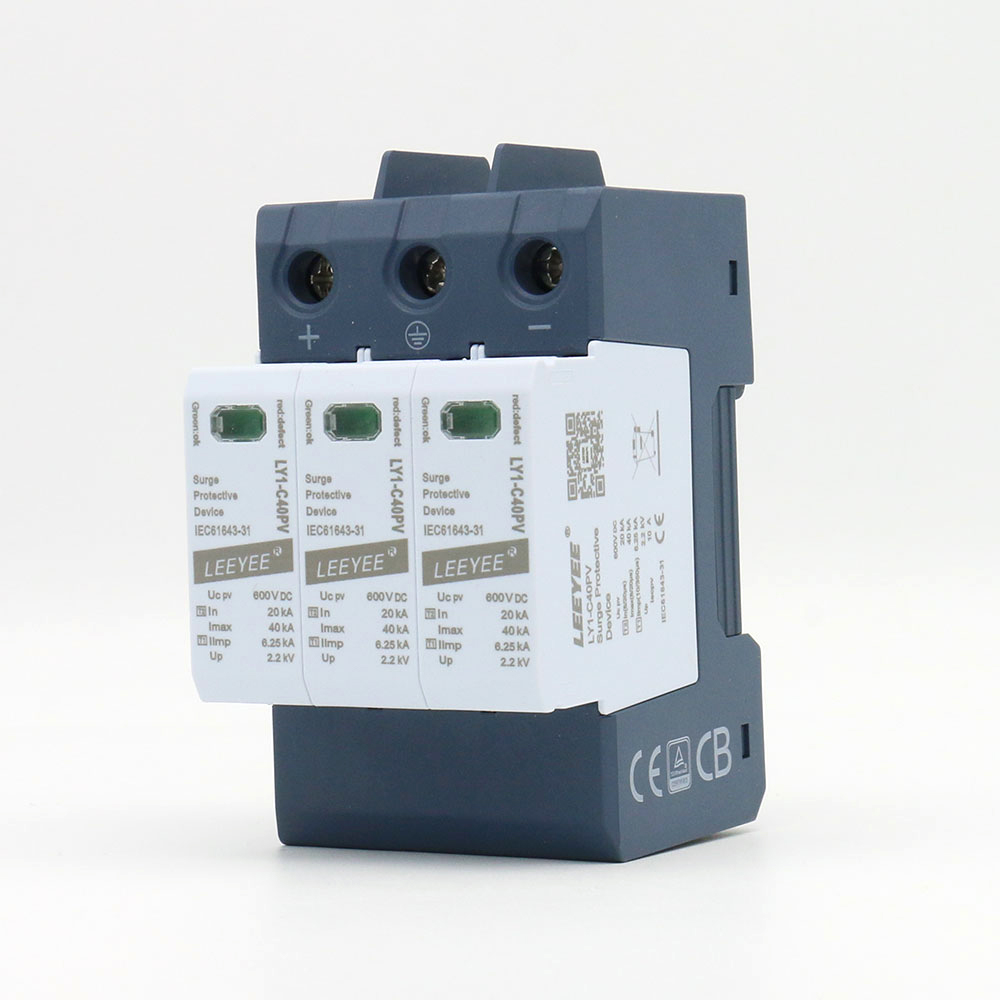
600V PV DC
600V PV SPD Options
For compatible smaller and commercial PV string, combiner-box and inverter-input designs.
Review 600V optionCoordinate DC SPDs for solar arrays, combiner boxes and inverter inputs with AC and communication-line surge protection for commercial, utility-scale and OEM PV projects. Send your voltage, layout and site conditions for model selection.
Confirm the voltage route first. Then review SPD Type, poles, wiring and the exact model documents.
For compatible smaller and commercial PV string, combiner-box and inverter-input designs.
Review 600V option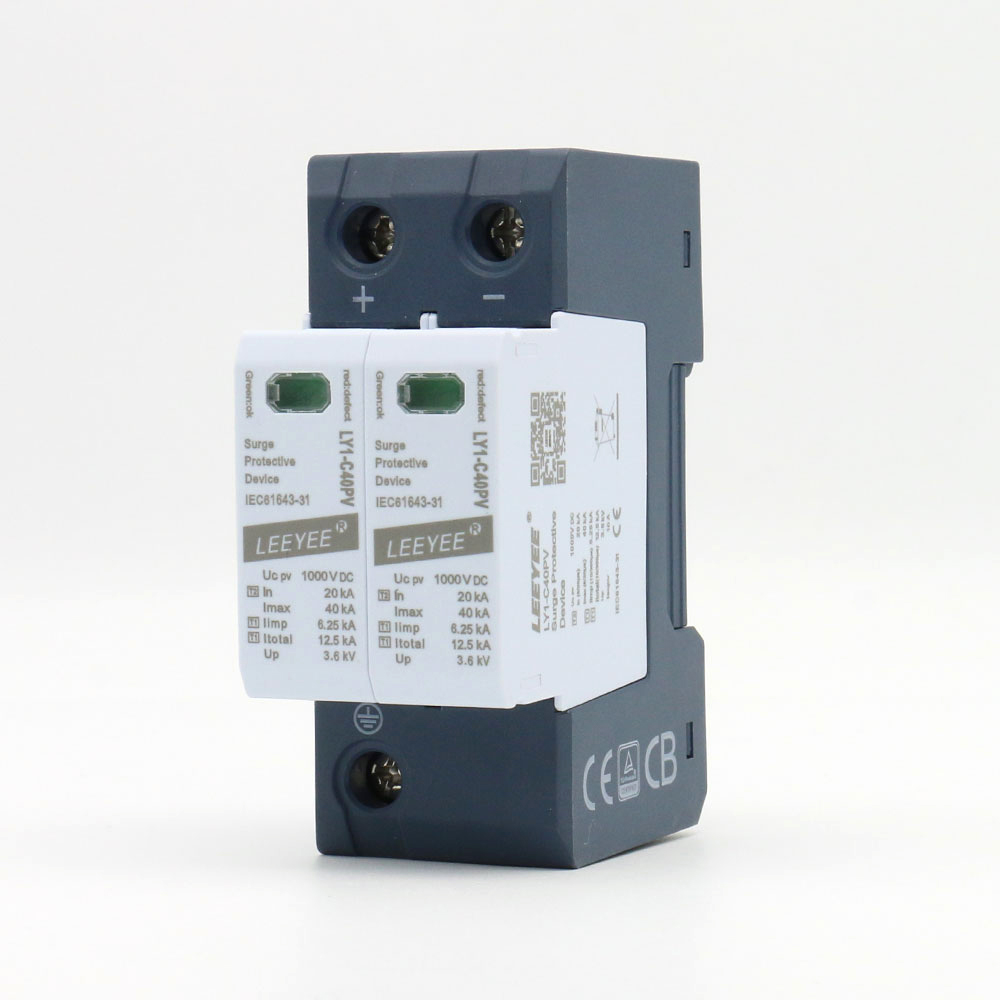
For commercial PV combiner boxes and inverter inputs, with Type 2 or Type 1+2 review by site condition.
Review 1000V option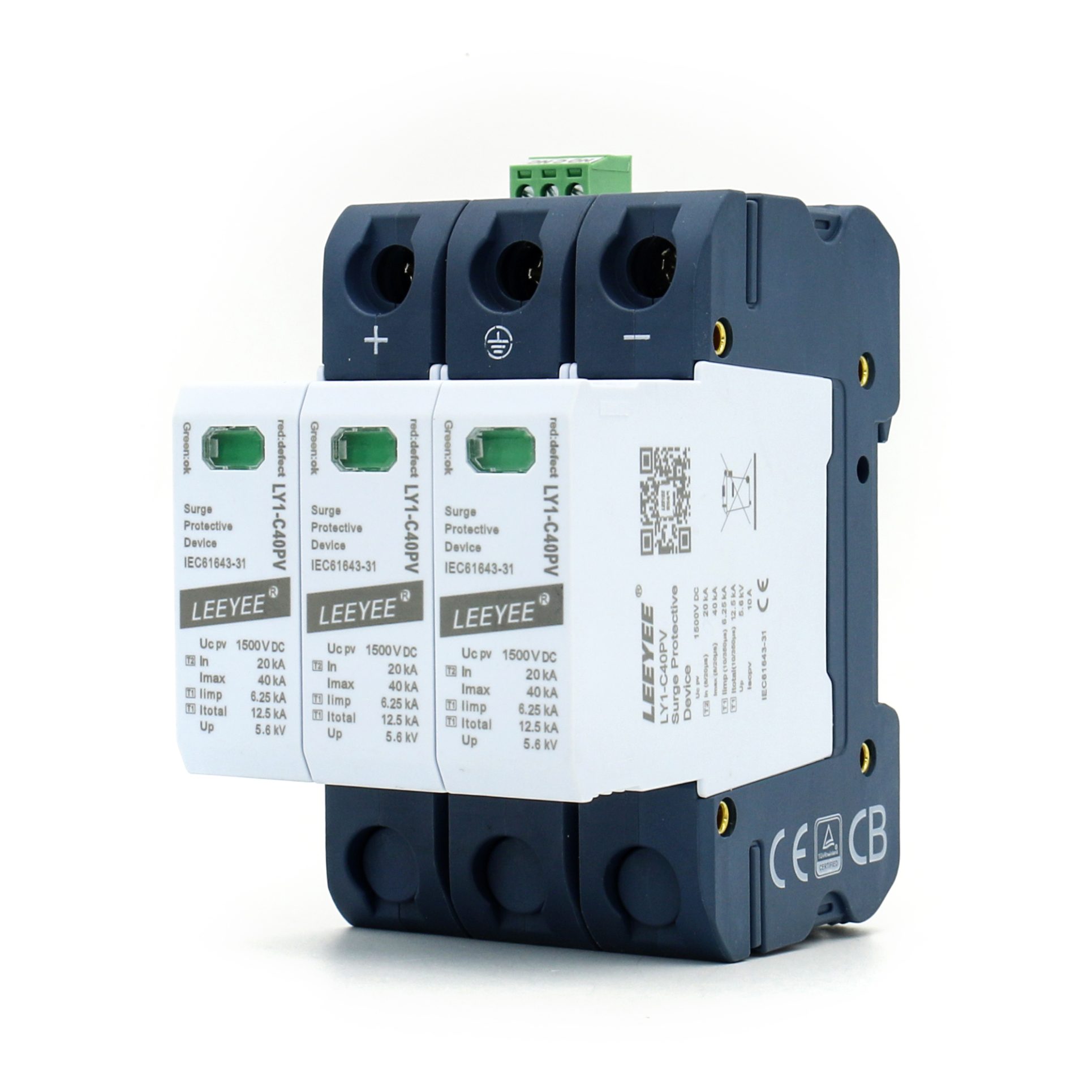
For compatible commercial and utility-scale 1500V DC systems requiring project-level model confirmation.
Review 1500V optionFinal selection must confirm maximum string Voc, Ucpv, Type, poles, wiring, backup protection and the exact document scope.
Use the two routes below for pre-selection, then confirm the full site condition and product documentation.
For positions where the design does not require lightning-current discharge capability.
For positions where the protection design indicates lightning current may enter the PV electrical path.
| Site condition | Main distribution | Inverter AC side | PV DC side |
|---|---|---|---|
| No external LPS | Type 2 subject to building design | Type 2 AC SPD | Type 2 PV SPD where required |
| LPS with separation maintained | Type 1 or Type 1+2 at origin as designed | Type 2 AC SPD | Type 2 PV SPD where required |
| LPS without adequate separation | Type 1+2 according to the design | Type 1+2 where lightning current may enter | Type 1+2 PV SPD where required |
Final selection must follow the project risk assessment, local requirements, cable routing, earthing and verified model documentation.
Open only the path you need. The product and Type decisions above remain the primary route.
Document availability depends on the exact voltage, SPD type, poles, model series and branding configuration.
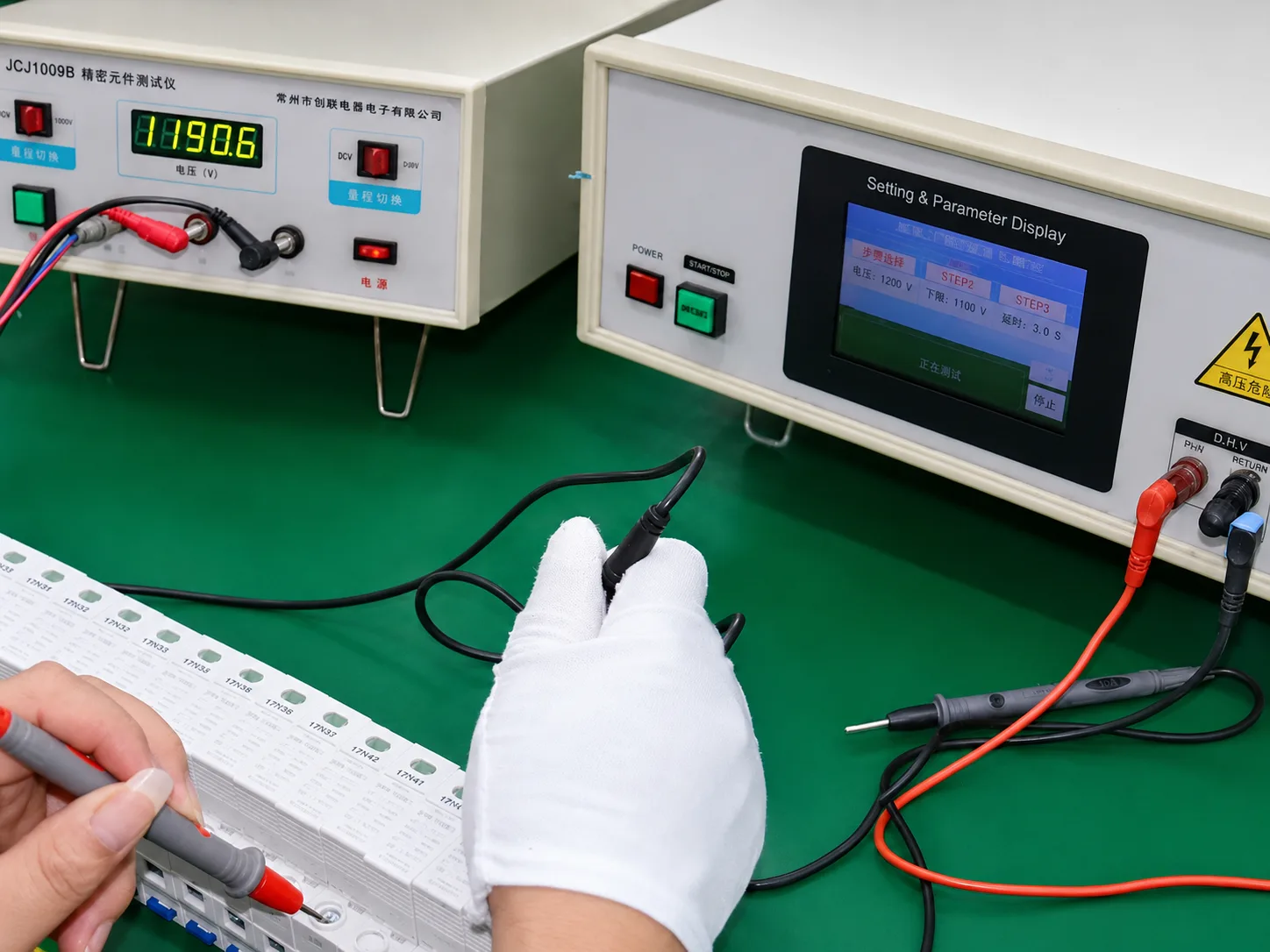
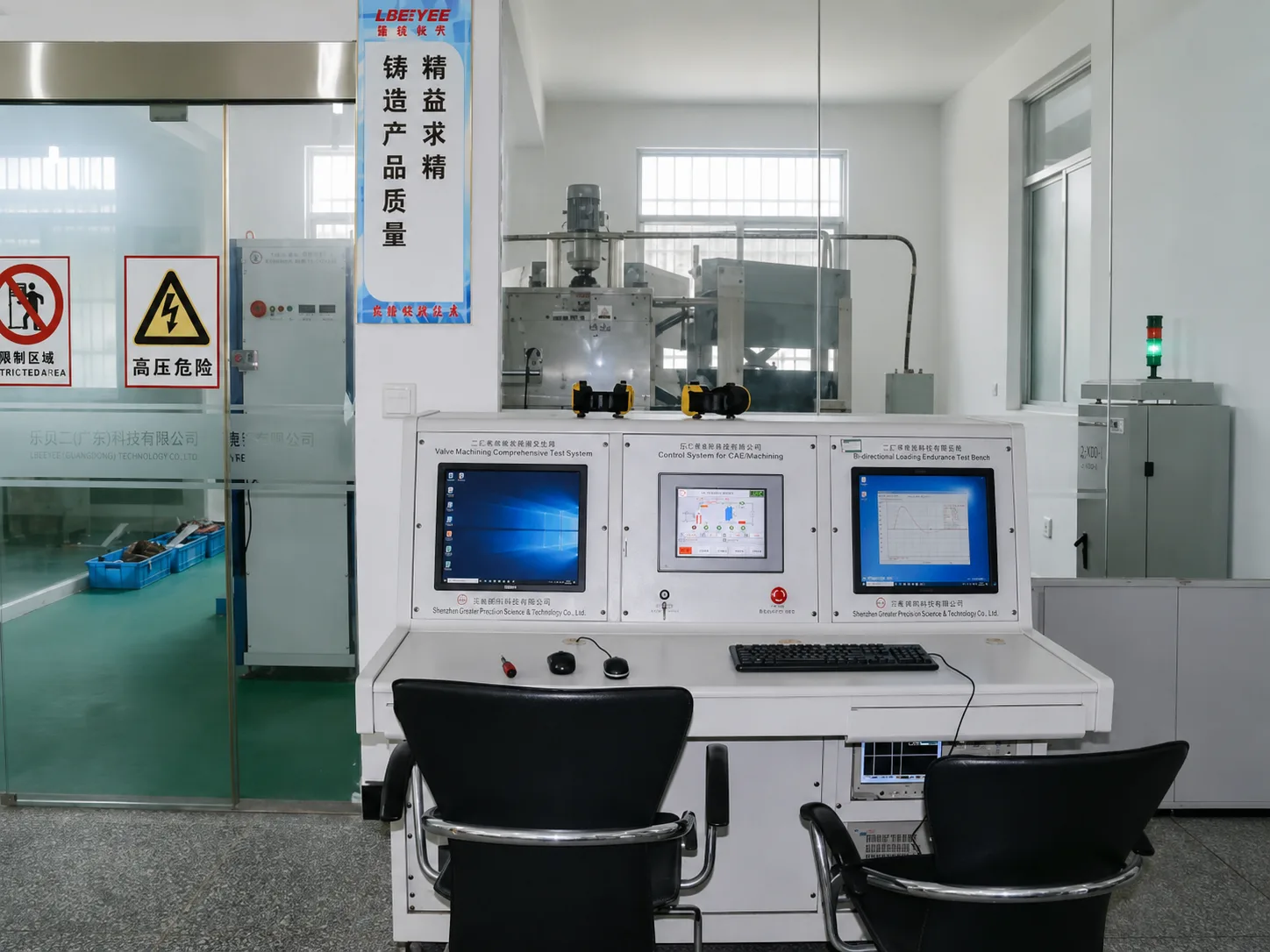
Incoming and batch-control verification.
Model-level discharge and impulse evidence.
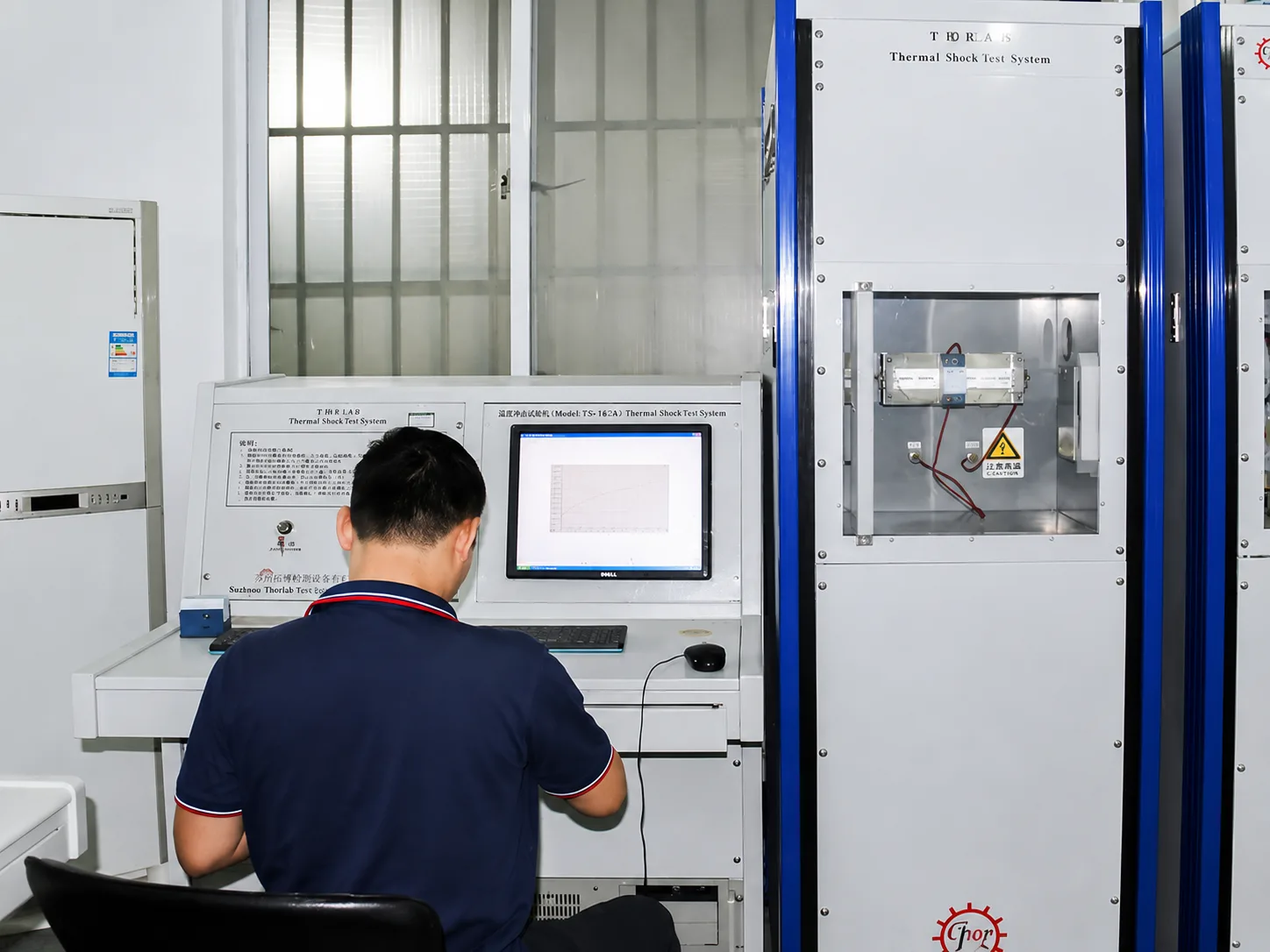
Stability and disconnector review.
Confirm PV string data, inverter / MPPT arrangement, DC and AC cable routes, external LPS, earthing and monitoring interfaces.
Confirm model and poles, remote contact, cabinet wiring, labels, packaging and batch-inspection requirements.
Common positions include PV combiner boxes and inverter DC inputs on the DC side, inverter outputs and distribution panels on the AC side, and exposed wired monitoring interfaces where signal protection is required. The final arrangement depends on cable route, voltage, earthing and lightning protection conditions.
Start with the calculated maximum PV string open-circuit voltage at the minimum design temperature. Select a suitable Ucpv above that value, then confirm the SPD type, pole configuration, discharge ratings, Up, short-circuit capability, wiring and document scope.
Type 2 is commonly used for induced lightning and switching surges. Type 1+2 is considered where the protection design requires lightning-current discharge capability, including certain installations affected by an external lightning protection system without adequate separation.
Many systems do. The DC side protects strings, combiner boxes and inverter inputs, while the AC side protects inverter output, AC panels and grid-connected distribution. Protecting only one side can leave another surge path exposed.
They may. Long outdoor or inter-building communication cables can provide another surge path. The signal SPD must match the interface voltage, current, data rate, wiring and grounding method.
Send the information you already have. LEEYEE will review the protection positions, PV voltage, SPD type and document requirements for your project.