
Protect Solar Infrastructure From Costly Downtime
Engineering-grade surge protection for photovoltaic systems, inverter reliability, DC/AC coordination, and long-term operational uptime. Built to Protect. Trusted to Last.
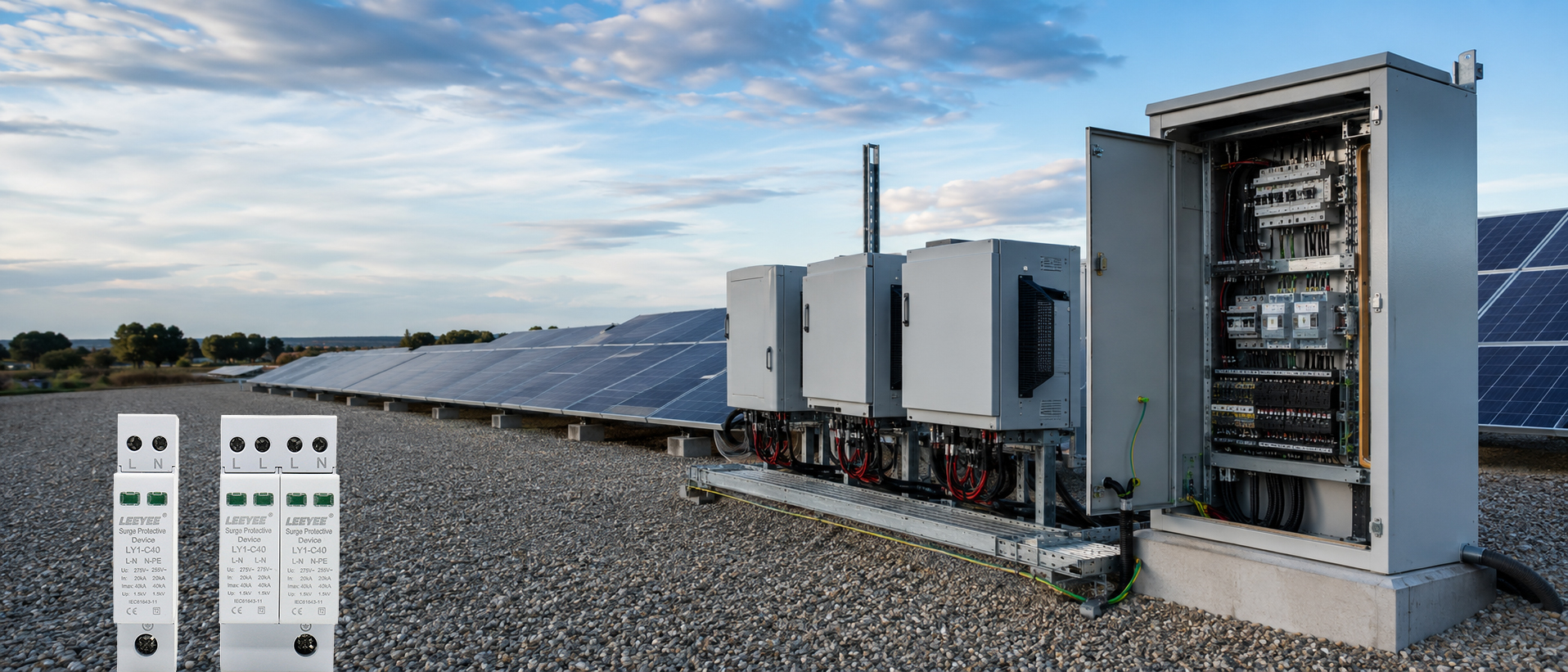
A Single Surge Event Can Shut Down An Entire PV System
Solar PV assets are exposed to lightning, switching surges, grounding instability, long cable runs, and harsh outdoor environments. The real cost is not only SPD replacement — it is inverter failure, power loss, site maintenance, and responsibility after failure.
Inverter Damage
Surge energy can damage inverter components, reduce system uptime, and create expensive replacement costs.
Production Interruption
When a PV system stops producing, every hour of downtime becomes a direct financial loss.
Remote Maintenance Cost
For utility-scale or remote solar sites, one failure can trigger high inspection, travel, and labor costs.
Most Surge Protection Problems Start Before The Failure Happens
A reliable solar SPD is not only about a printed kA rating. Real protection depends on MOV quality, thermal disconnection, coordination, grounding, installation position, and long-term stability.
Dégradation du MOV
Low-quality components may age faster under repeated surge stress and high-temperature PV environments.
Poor Thermal Protection
Without stable thermal disconnection, an SPD may become a hidden safety risk instead of a protection device.
Wrong System Coordination
DC side, AC side, combiner box, inverter, and grounding must work as one protection architecture.
Solar PV Surge Protection Must Be Designed As A System
CNSPD helps solar installers, EPC contractors, wholesalers, and OEM partners build a complete protection path from PV arrays to inverters and AC distribution.
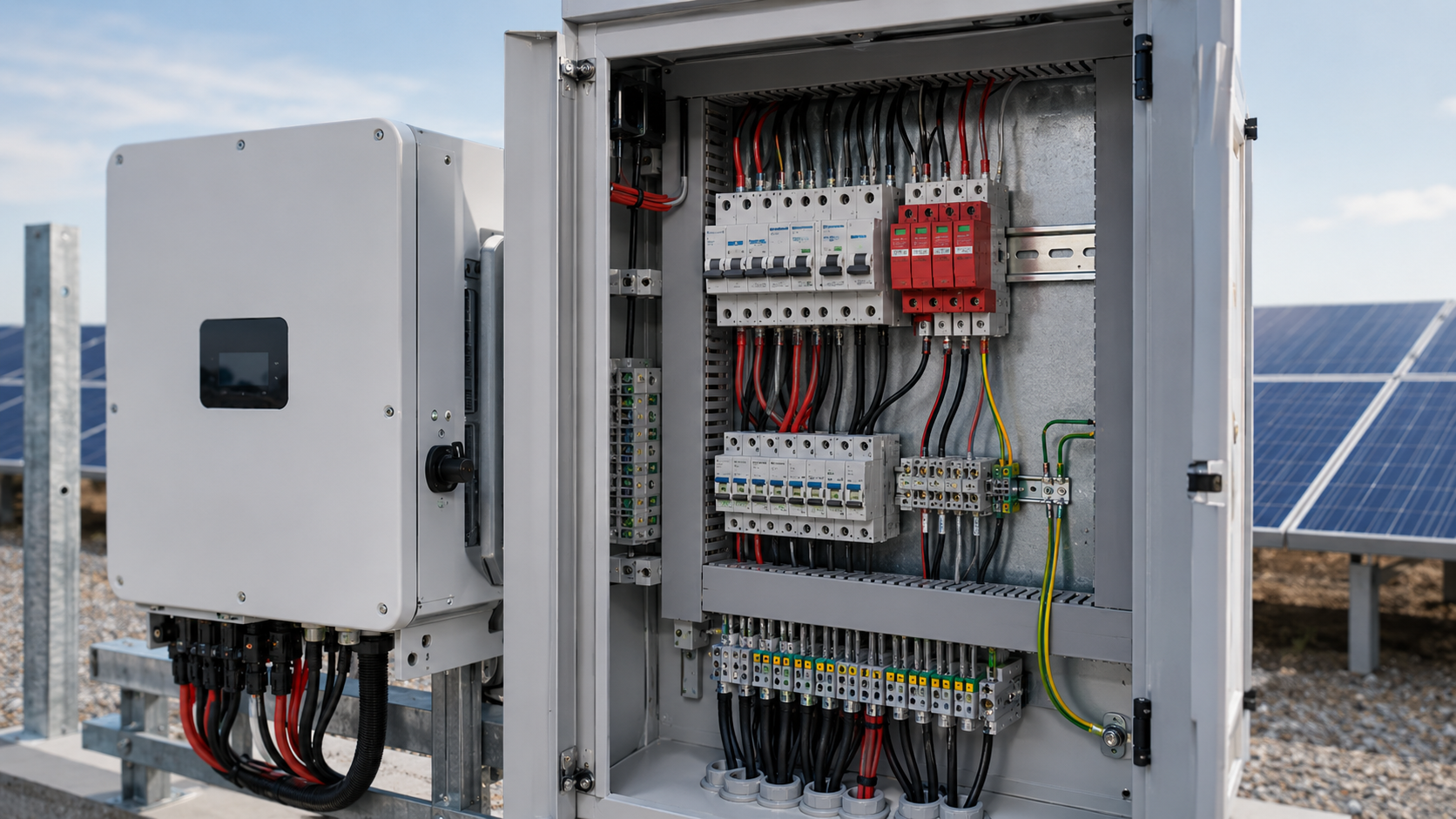
Engineered For The Places Where Solar Systems Actually Fail
Solar surge protection must survive outdoor cabinets, high temperature, humidity, lightning-prone regions, unstable grounding, and long service cycles.
- Utility-scale solar farms exposed to direct and indirect lightning surges
- Commercial rooftop PV systems with long DC cable routes
- Hybrid inverter systems requiring coordinated DC and AC protection
- Remote telecom solar systems where maintenance is expensive
- Coastal, desert, and high-humidity environments with accelerated aging risk
Supported Solar PV Application Scenarios
CNSPD supports surge protection planning across common PV system types. The key engineering topics below explain how protection is selected and installed inside real PV systems.
Explore Critical Solar SPD Selection Topics
This page is designed as a complete industry guide. Use the topics below to jump directly to the installation, wiring, and selection logic most relevant to your PV system.
SPD for Solar Inverter Cabinet
How to select and install surge protection inside inverter cabinets for DC and AC sides.
PV Combiner Box Surge Protection
Protection logic for combiner boxes, DC strings, grounding, and surge current paths.
Type 1 vs Type 2 SPD for Solar PV
Selection logic for lightning risk, site exposure, and coordinated protection levels.
DC / AC SPD Coordination
Understand why PV systems often require both DC-side and AC-side surge protection.
Solar SPD Wiring Layout
Typical wiring positions for PV array, combiner box, inverter, AC panel, and grounding.
Solar SPD Product Selection
Connect system voltage, installation position, and protection level to the right SPD category.
Solar PV Surge Protection Selection Logic
These sections keep the industry page complete now. When a topic becomes important enough, it can later be expanded into a dedicated solution page without changing the overall website structure.
SPD for Solar Inverter Cabinet
Inverter cabinets are one of the most important protection points in a PV system. Surge energy can enter from PV strings on the DC side, from the AC output side, or through grounding and communication paths. A reliable inverter cabinet design should coordinate DC SPD, AC SPD, short grounding paths, and proper disconnector protection.
PV Combiner Box Surge Protection
A PV combiner box collects multiple DC string circuits, making it a critical location for surge protection. The SPD should be positioned close to incoming circuits and connected to grounding with short, low-impedance paths. Fuse protection, disconnectors, terminals, and cable routing should be considered together with the SPD.
Type 1 vs Type 2 SPD for Solar PV
Type 1 SPD is considered where direct lightning current risk exists, such as systems with external lightning protection, high lightning density areas, or project specifications requiring lightning current discharge capability. Type 2 SPD is commonly used for induced surges and switching transients. Many PV projects require coordinated protection depending on site exposure and system design.
DC / AC SPD Coordination
Solar PV systems often need protection on both the DC and AC sides. The DC side protects PV arrays, combiner boxes, and inverter input. The AC side protects inverter output, AC panels, distribution boards, and grid-connected equipment. Treating only one side can leave the system exposed.
Solar SPD Wiring Layout
SPD wiring should be short, direct, and coordinated with the cabinet grounding structure. Long wiring increases residual voltage and reduces protection performance. Typical positions include PV combiner boxes, inverter cabinets, AC distribution panels, and grounding bars.
Solar SPD Product Selection
Product selection should start from the PV system voltage, installation position, expected surge exposure, grounding system, and cabinet design. For solar projects, common product categories include DC SPDs, AC SPDs, Type 1 SPDs, Type 2 SPDs, and OEM SPD configurations for brands or cabinet builders.
Solar SPD Product Categories
If you already know your system voltage, installation position, and protection level, you can review the related SPD product categories below.
Manufacturing Trust Comes From What Happens Before Shipment
Reliable surge protection is built through material control, component testing, assembly discipline, thermal protection verification, and consistent quality inspection.
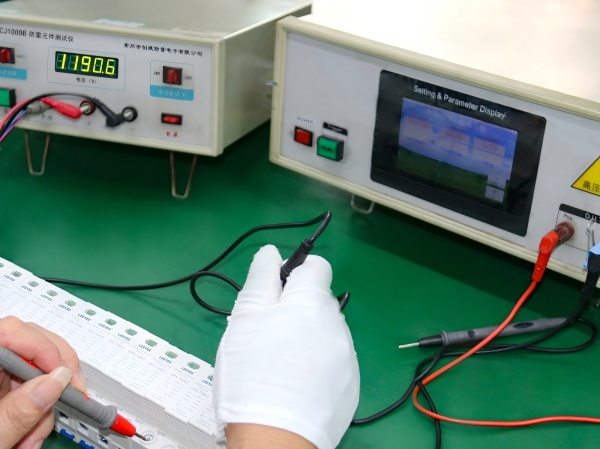
Component stability verification before assembly.
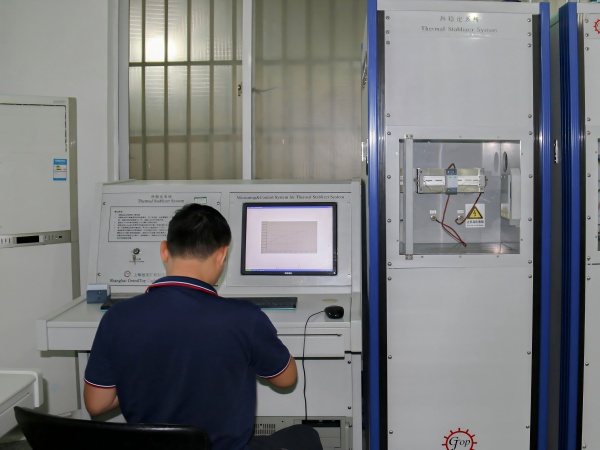
Disconnector performance designed for safety.
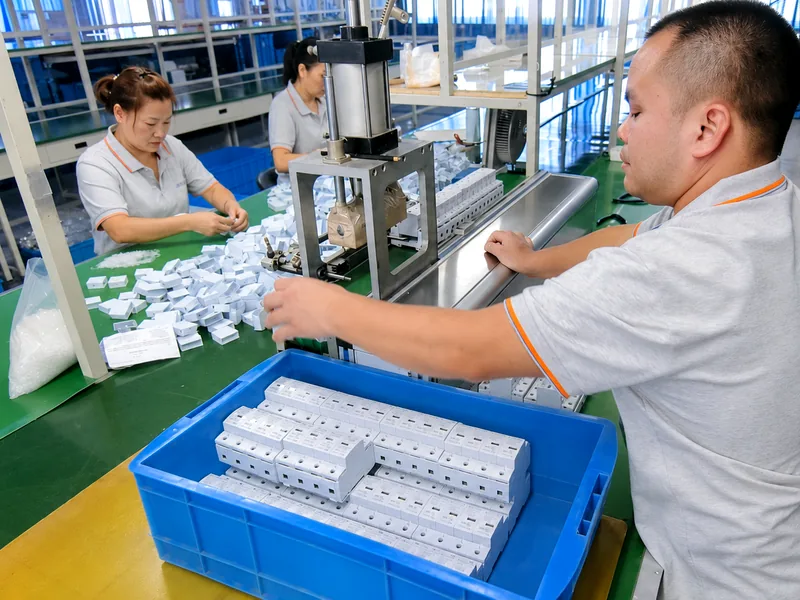
Factory process for stable batch production.
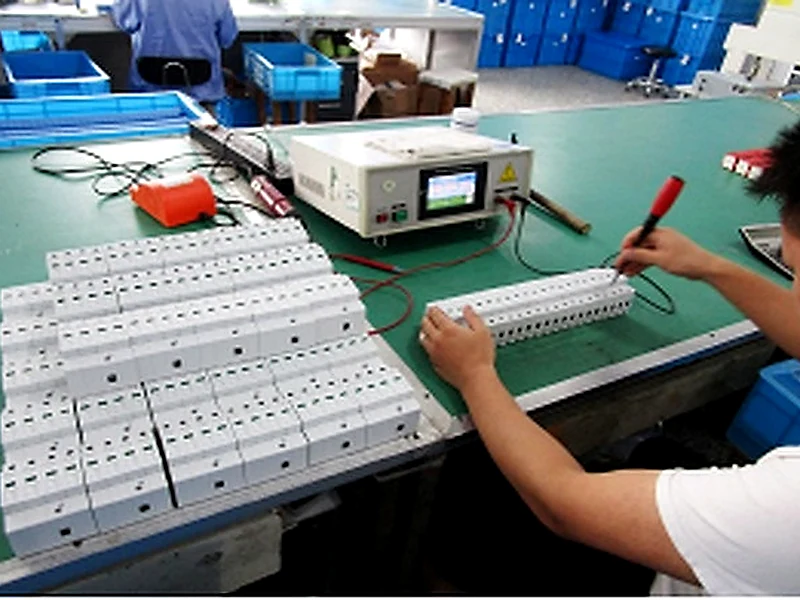
Inspection before packaging and export shipment.
Download Solar Surge Protection Guides
Help your engineering, purchasing, and installation teams select the right SPD for solar PV systems with clearer technical decision support.
How to choose DC and AC SPDs for PV systems.
Download PDF →Typical installation positions for combiner boxes and inverter cabinets.
Download PDF →Understand Type 1, Type 2, Ucpv, In, Imax, Up, and system coordination.
Download PDF →Solar PV Surge Protection Questions
Do solar PV systems really need surge protection?
Yes. PV systems are exposed to lightning-induced surges, switching transients, long cable routes, and outdoor electrical stress. Proper SPD installation helps protect inverters, combiner boxes, monitoring equipment, and AC distribution systems.
Where should SPDs be installed in a solar PV system?
SPDs are commonly installed on the DC side near combiner boxes and inverters, and on the AC side near distribution panels. The final design depends on cable length, grounding, system voltage, and lightning exposure.
What SPD is used in a solar inverter cabinet?
A solar inverter cabinet may require DC-side SPDs at the inverter input and AC-side SPDs at the output or distribution side. The correct type depends on PV voltage, grounding system, cable length, and lightning exposure.
How should SPDs be installed in a PV combiner box?
In a PV combiner box, DC SPDs are typically installed close to the incoming string circuits and connected with short, direct grounding paths. Proper wiring length and grounding are critical for effective surge limitation.
Do solar PV systems need both DC and AC surge protection?
Many PV systems require protection on both sides. The DC side protects PV strings, combiner boxes, and inverter input. The AC side protects inverter output, AC panels, distribution boards, and grid-connected equipment.
What is the difference between Type 1 and Type 2 solar SPD?
Type 1 SPDs are used where direct lightning current risk must be considered. Type 2 SPDs are used for induced surges and switching transients. Many solar systems require coordinated protection depending on site risk and standards.
When should Type 1 SPD be used in solar PV systems?
Type 1 SPD is considered when the PV system is exposed to direct lightning risk, external lightning protection systems, high lightning density areas, or project specifications requiring lightning current discharge capability.
Can lightning damage solar inverters?
Yes. Even without a direct strike, induced surges can travel through DC strings, AC lines, communication lines, and grounding systems, damaging inverter electronics and causing system downtime.
Why choose CNSPD for solar surge protection?
CNSPD focuses on engineering-grade protection, factory-controlled production, OEM support, and long-term system reliability. Our brand principle is simple: Built to Protect. Trusted to Last.
Protect Your Solar Infrastructure Before Failure Happens
Work with CNSPD to build reliable solar surge protection solutions for PV systems, inverter cabinets, combiner boxes, and OEM electrical protection projects.